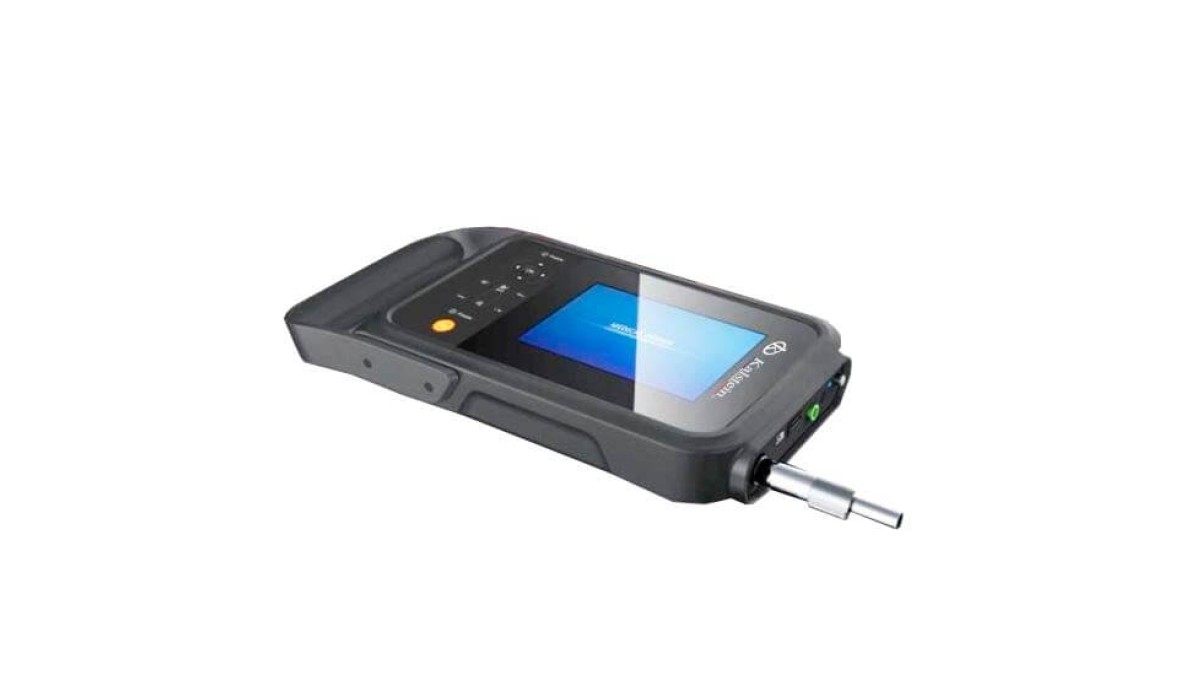
Ultrasonic Diagnostic Equipment: Practical Applications and Techniques 2026
In the fast-evolving landscape of clinical and hospital laboratories, ultrasonic diagnostic equipment plays a crucial role in diagnostics and monitoring. This article delves into its practical applications, historical evolution, step-by-step usage, and best practices for 2026.
What is it used for in 2026
Ultrasonic diagnostic equipment is primarily used for imaging and diagnostic purposes in various medical fields. In 2026, these devices are implemented in obstetrics, cardiology, urology, and veterinary practices. They assist in monitoring fetal development, assessing cardiac conditions, diagnosing urinary tract abnormalities, and more. With enhanced resolution and software capabilities, the equipment supports detailed imaging and analysis, ensuring accurate diagnoses.
History and evolution of the technology
The journey of ultrasonic diagnostic equipment began in the early 20th century, with the first applications in sonar technology. By the 1950s, medical professionals started adopting ultrasound for diagnostic purposes. Over the decades, advancements in ultrasound imaging technology have led to significant improvements in image quality and diagnostic capabilities. The move from 2D to 3D and now to 4D imaging has revolutionized how practitioners visualize internal structures, allowing for more accurate assessments.
How to use it step by step
Using ultrasonic diagnostic equipment effectively involves several steps:
- Preparation: Ensure the equipment is calibrated and ready for use. Check the battery and data storage.
- Patient Preparation: Explain the procedure to the patient and position them appropriately for the examination.
- Probe Selection: Choose the appropriate probe based on the diagnostic needs, such as linear or convex probes.
- Applying Gel: Apply ultrasound gel to the probe and the area of examination to ensure optimal image quality.
- Image Acquisition: Start the ultrasound machine and capture images, adjusting settings as necessary for clarity.
- Data Analysis: Analyze the collected images and utilize built-in software for measurements and assessments.
- Documentation: Save and document the images and findings for future reference and patient records.
Best techniques and protocols
Best practices in 2026 include:
- Regular training for personnel to stay updated on the latest imaging techniques and software advancements.
- Utilizing protocols that standardize procedures for different types of examinations.
- Implementing quality control measures to ensure consistent performance across devices.
- Incorporating feedback mechanisms to improve image quality and diagnostic accuracy.
Practical applications by laboratory type
Different laboratory settings utilize ultrasonic diagnostic equipment in various ways:
- Obstetrics and Gynecology: Used for monitoring fetal development and assessing reproductive health.
- Cardiology: Essential for evaluating heart conditions and vascular health.
- Urology: Employed to diagnose conditions related to the urinary tract.
- Veterinary Practices: Adapted for examining animal health and pregnancy monitoring.
Regulations, standards and certifications
Ultrasonic diagnostic equipment must adhere to strict regulations and standards to ensure safety and efficacy. In the United States, equipment is regulated by the FDA, which oversees the approval and certification processes. Compliance with ISO standards ensures that devices meet international quality and safety benchmarks. Regular audits and inspections are necessary to maintain certification and ensure adherence to operational protocols.
Comparison with alternative technologies
While ultrasound technology provides numerous benefits, alternatives such as MRI and CT scans offer different advantages. MRI offers superior soft tissue contrast, while CT scans are beneficial for detailed cross-sectional imaging. However, ultrasound remains a non-invasive, cost-effective, and portable option, making it the preferred choice for many applications, especially in obstetrics and point-of-care settings.
Comparison of available models
| Model | Best for | Key specs | Recommended use case |
|---|---|---|---|
| YR05146 | Veterinary Diagnostics | Lightweight, High-resolution, 3-hour battery | Mobile veterinary examinations |
| YR05147 | Obstetrics/Gynecology | 3D imaging, LED monitor, multi-language support | Obstetric exams and reports |
| YR05154 | General Diagnostics | Single convex probe with software | General ultrasound diagnostics |
| YR05154-1 | Portable Imaging | Integrated tablet with software | Point-of-care ultrasound |
| YR05155 | General Applications | Single linear probe, software included | General and specialized imaging |
| YR05155-1 | Tablet-based Technology | Integrated tablet for diagnostics | Mobile and flexible diagnostics |
Common mistakes and how to avoid them
Common mistakes when using ultrasonic diagnostic equipment include:
- Improper patient positioning, which can lead to inadequate imaging.
- Failure to use sufficient gel, which can compromise image quality.
- Neglecting to update software, which can result in outdated functionalities.
- Not following specific protocols, leading to inconsistent results.
To avoid these pitfalls, ensure regular training, adhere to established protocols, and maintain equipment properly.
Maintenance, calibration and good practices 2026
Regular maintenance and calibration are essential for optimal performance:
- Perform routine checks on all hardware components and replace parts as necessary.
- Calibrate the equipment according to manufacturer's guidelines to ensure accuracy.
- Keep software updated for improved functionality and security.
- Implement a cleaning schedule to maintain the integrity of probes and surfaces.
Cost-benefit analysis 2026
Investing in ultrasonic diagnostic equipment offers numerous benefits:
- Cost-effective diagnostics compared to other imaging modalities.
- Non-invasive procedures that enhance patient comfort.
- Portability allows for use in various settings, making it versatile.
- Improved patient outcomes due to timely and accurate diagnostics.
The initial investment may be significant, but the long-term savings and enhanced diagnostic capabilities usually justify the cost.
Frequently asked questions
How do I choose the right ultrasonic diagnostic equipment for my practice?
Consider the specific applications required, the necessary imaging capabilities, portability, and software features. It’s also essential to evaluate the training needs and support offered by the manufacturer.
What maintenance is required for ultrasonic diagnostic equipment?
Regular calibration, cleaning of probes, and software updates are crucial for maintaining performance and accuracy. Following the manufacturer's maintenance schedule is recommended.
How often should I update the software on my ultrasound machine?
It is advisable to check for software updates regularly, ideally every few months or as recommended by the manufacturer, to ensure you have access to the latest features and improvements.
What precautions should I take when using ultrasound gel?
Ensure that the gel is hypoallergenic and appropriate for the patient to avoid skin reactions. Additionally, store the gel properly to maintain its integrity.
Can ultrasonic diagnostic equipment replace other imaging modalities?
While ultrasonic equipment is highly effective for various applications, it cannot entirely replace technologies like MRI or CT scans. Each modality has its strengths and is selected based on the specific diagnostic needs.
What training is necessary for operating ultrasonic diagnostic equipment?
Operators should undergo comprehensive training covering the use of the equipment, imaging techniques, and interpretations of results to ensure accurate diagnostics.
How can I request a quote for ultrasonic diagnostic equipment?
To receive a personalized quote, reach out to our dedicated sales team who will assist you with your inquiries and guide you through the purchasing process.
If you are looking for a fusion of innovation and quality, you have come to the right place. At Kalstein, we offer you the luxury of exploring our exclusive catalog of laboratory equipment. We manufacture every device to the highest standards of excellence. Our intuitive and seamless online purchasing channels are designed for your convenience, securing the most competitive prices. Hesitate no longer — we bring science to life, it is time to become part of our community.