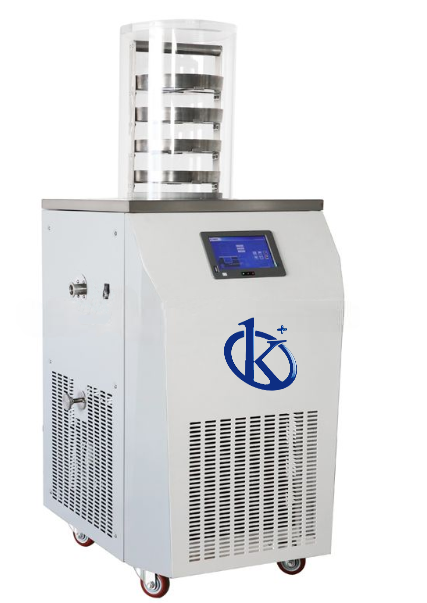
Understanding ROI and Cost-Benefit Analysis for Laboratory Freeze Dryers
In the realm of laboratory equipment, particularly in applications requiring freeze drying, understanding the return on investment (ROI) and conducting a thorough cost-benefit analysis is paramount. Vertical laboratory freeze dryers are increasingly utilized in various fields such as pharmaceuticals, biological research, and food technology. This article delves into the essential aspects of ROI and cost-benefit analysis tailored specifically for vertical laboratory freeze dryers, examining models such as YR05198, YR05199, YR05200, YR05201, YR05985-1, and YR05985-2.
Framing the Importance of ROI in Laboratory Freeze Drying
When laboratories consider investing in freeze drying technology, a critical factor is the ROI. By analyzing the balance between initial investments and long-term savings, laboratories can make informed decisions that enhance profitability and operational efficiency. These freeze dryers not only preserve the biochemical integrity of samples but also save costs associated with traditional drying methods.
Key Metrics for Cost-Benefit Analysis
To effectively analyze the costs associated with vertical laboratory freeze dryers, key metrics such as capital expenditure (CAPEX), operational expenditure (OPEX), payback periods, and cost per test must be evaluated. For instance, the YR05198 model, priced at $4,392, is designed for routine freeze drying while ensuring energy efficiency and minimal running costs.
Comparison of Available Models
| Model | CAPEX (USD) | Water Collection Capacity (kg/24h) | Payback Period (months) | Best For |
|---|---|---|---|---|
| YR05198 | 4392.00 | 6 | 12 | Routine lab use |
| YR05199 | 4882.00 | 6 | 13 | Small-scale applications |
| YR05200 | 4178.00 | 6 | 11 | Research labs |
| YR05201 | 5061.00 | 6 | 14 | Specialized testing |
| YR05985-1 | 16800.00 | 10 | 18 | Fruits and vegetables |
| YR05985-2 | 21000.00 | 15 | 20 | High capacity drying |
Evaluating CAPEX vs OPEX
When assessing the financial implications of freeze dryers, laboratories must distinguish between CAPEX and OPEX. CAPEX includes initial purchase costs, which for example, the YR05201 model is priced at $5,061, while OPEX comprises ongoing operational costs. By comparing these two figures, a laboratory can determine the total cost of ownership over time and identify the most cost-effective solutions.
Quantifying Payback Periods
Understanding the payback period is crucial for laboratories aiming to justify their investments. For instance, a laboratory that invests in the YR05198 model can expect a payback period of approximately 12 months, given its efficient operation and the volume of samples processed. This analysis helps in making informed financial decisions.
Common Mistakes and How to Avoid Them
In the quest for optimal ROI, many laboratories fall into common traps, such as neglecting operational costs, overlooking maintenance requirements, or failing to compare models effectively. A thorough analysis includes considering not only the purchase price but also the potential for energy savings and longevity of the equipment.
Frequently Asked Questions
How can I calculate the ROI for my laboratory freeze dryer investment?
To calculate ROI for models like YR05198, consider both CAPEX and expected savings from reduced waste and energy efficiency over time. Aim for a timeline of 1 to 2 years for accurate metrics.
What is the average payback period for vertical laboratory freeze dryers?
The average payback period for models such as YR05199 is typically around 13 months, depending on usage and operational costs, which should be analyzed carefully.
Which vertical laboratory freeze dryer is best for my specific applications?
The choice depends on your specific needs; for instance, the YR05985-1 is ideal for freeze drying fruits and vegetables due to its high water collection capacity.
How do operational costs impact the overall ROI of freeze dryers?
Operational costs, including energy consumption and maintenance, can significantly affect ROI. Consider models like YR05200, which are designed with energy efficiency in mind, to reduce OPEX.
What factors should I consider when comparing different freeze dryer models?
When comparing models, evaluate CAPEX, water collection capacity, energy efficiency, and maintenance costs to ensure the best ROI. For example, YR05201 offers specialized testing features at a higher cost.
What are the maintenance requirements for vertical laboratory freeze dryers?
Regular maintenance is key to sustaining performance. Models like YR05198 require periodic checks of vacuum seals and software updates to ensure optimal operation.
How does the energy efficiency of a freeze dryer affect overall costs?
Energy-efficient models, such as YR05199, lead to lower monthly utility bills, which enhances ROI and reduces overall operational costs in the long run.
Where can I find quotes for high-quality vertical laboratory freeze dryers?
You can request competitive quotes on models like YR05985-2 through specialized suppliers to ensure you receive the best value for your investment.
If you are looking for a fusion of innovation and quality, you have come to the right place. At Kalstein, we offer you the luxury of exploring our exclusive catalog of laboratory equipment. We manufacture every device to the highest standards of excellence. Our intuitive and seamless online purchasing channels are designed for your convenience, securing the most competitive prices. Hesitate no longer — we bring science to life, it is time to become part of our community.