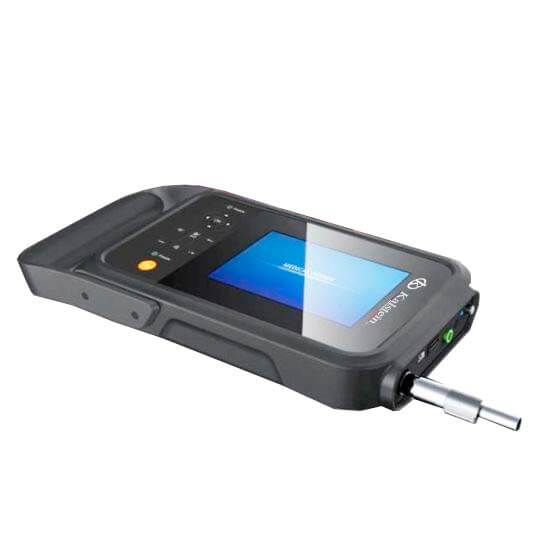
How Predictive Maintenance and Periodic Calibration Enhance Ultrasonic Diagnostic Equipment Performance
Ultrasonic diagnostic equipment plays a pivotal role in veterinary practices, providing precise imaging for various applications. However, the reliability and performance of these devices hinge on effective predictive maintenance and periodic calibration. This article delves into the significance of these practices, examining how they can optimize the functionality of ultrasonic diagnostic equipment, ultimately impacting patient care.
Understanding Predictive Maintenance and Its Importance
Predictive maintenance involves using data-driven insights to predict when equipment might fail, allowing for timely interventions before issues escalate. This proactive approach contrasts with traditional maintenance methods, which often wait for equipment to show signs of wear. The primary goal of predictive maintenance in ultrasonic diagnostic equipment is to minimize downtime and extend the lifespan of the devices, ensuring they are always ready for critical imaging tasks.
Periodic Calibration: A Necessity for Accurate Imaging
Calibration is essential for ensuring that ultrasonic diagnostic equipment provides accurate and reliable results. Periodic calibration checks the alignment of the device with known standards, ensuring that the measurements and images produced remain within acceptable limits. For veterinary applications, improper calibration can lead to misdiagnosis, affecting the health outcomes for animals. Regular calibration adheres to industry standards and fosters confidence in the results obtained.
Key Features of Ultrasonic Diagnostic Equipment
Modern ultrasonic diagnostic equipment comes with various features that enhance their usability and performance. For instance, models like the YR05146 and YR05147 are designed for portability and ease of use in veterinary settings, equipped with high-resolution displays and integrated software for comprehensive imaging. Their lightweight design allows practitioners to conduct examinations conveniently.
Comparison of Available Models
| Model | Price (USD) | Best For | Key Features |
|---|---|---|---|
| YR05146 | 850.00 | General veterinary use | Lightweight, high-resolution display, multiple software options |
| YR05147 | 1150.00 | Obstetric and gynecological exams | 3D imaging, integrated reporting, battery backup |
| YR05154 | 850.00 | Basic diagnostic needs | Convex probe, user-friendly software |
| YR05154-1 | 1150.00 | Tablet integration | Compatibility with portable devices |
| YR05155 | 950.00 | Linear imaging needs | Linear probe included, versatile applications |
| YR05155-1 | 1190.00 | Advanced diagnostics | Tablet integration, high-resolution imaging |
Implementing a Predictive Maintenance Strategy
To implement a successful predictive maintenance strategy for ultrasonic diagnostic equipment, it’s crucial to employ condition-monitoring techniques. This may include tracking the operational hours of equipment, monitoring performance metrics, and using diagnostic software that can alert users to potential issues. By focusing on equipment conditions, veterinary professionals can schedule maintenance during non-peak hours, thus avoiding disruption in service.
Calibration Techniques for Ultrasonic Equipment
Calibration techniques may vary based on the model and intended use of the ultrasonic diagnostic equipment. For models like YR05146 and YR05147, calibration should be conducted according to the manufacturer's guidelines and specified intervals, often annually or bi-annually. Additionally, utilizing traceable standards ensures compliance with relevant regulations, thereby guaranteeing the accuracy of the readings.
Common Mistakes and How to Avoid Them
Veterinary practitioners may often overlook the importance of maintenance logs or assume that equipment is always functioning optimally. Regularly documenting maintenance activities, calibration dates, and operational challenges can prevent significant issues from arising. Moreover, engaging with service professionals for regular equipment checks can ensure that ultrasonic equipment remains in peak condition.
Frequently Asked Questions
How does predictive maintenance impact the lifespan of ultrasonic diagnostic equipment?
Predictive maintenance significantly extends the lifespan of ultrasonic diagnostic equipment, such as the YR05147, by addressing potential issues before they cause significant damage. This proactive approach minimizes costly repairs and downtime, ultimately ensuring continuous availability for veterinary imaging tasks.
What are the best practices for periodic calibration of ultrasonic diagnostic equipment?
Best practices for periodic calibration involve adhering to manufacturer recommendations, utilizing standardized calibration equipment, and maintaining detailed records of calibration activities. For instance, the YR05146 model should undergo calibration at least once a year to ensure reliable imaging results.
Why is accurate calibration critical for veterinary ultrasound diagnostics?
Accurate calibration is crucial for veterinary ultrasound diagnostics as it impacts diagnostic accuracy and patient outcomes. For instance, incorrect calibration of the YR05155 could lead to misinterpretations of an animal's condition, potentially delaying necessary treatments.
How can I determine the right calibration schedule for my ultrasonic equipment?
The right calibration schedule for ultrasonic equipment, such as the YR05154 model, should be based on usage frequency, manufacturer guidelines, and industry standards. Typically, a semi-annual calibration schedule is advisable for high-use equipment to maintain accuracy and reliability.
What are the signs that my ultrasonic diagnostic equipment needs maintenance?
Signs that your ultrasonic diagnostic equipment, such as the YR05146, requires maintenance include inconsistent imaging quality, unusual sounds during operation, and failure to power on. Addressing these signs promptly can prevent further deterioration and costly repairs.
How do I choose the right ultrasonic diagnostic equipment for my practice?
Choosing the right ultrasonic diagnostic equipment, like the YR05147, depends on your specific needs, such as the types of patients you serve and the features required for accurate diagnostics. Evaluating key specifications and potential applications can help in making an informed decision.
What role does software play in the effectiveness of ultrasonic diagnostic equipment?
Software plays a pivotal role in the effectiveness of ultrasonic diagnostic equipment by enhancing image quality, providing advanced measurement tools, and facilitating easy reporting. For example, the YR05147 comes equipped with integrated software that improves workflow efficiency in veterinary practices.
How often should I perform a maintenance check on my ultrasonic equipment?
It is recommended to perform a maintenance check on ultrasonic equipment, like the YR05154-1, at least once a month, especially in busy veterinary practices. Regular checks help identify minor issues before they escalate, ensuring equipment reliability and performance.
If you are looking for a fusion of innovation and quality, you have come to the right place. At Kalstein, we offer you the luxury of exploring our exclusive catalog of laboratory equipment. We manufacture every device to the highest standards of excellence. Our intuitive and seamless online purchasing channels are designed for your convenience, securing the most competitive prices. Hesitate no longer — we bring science to life, it is time to become part of our community.