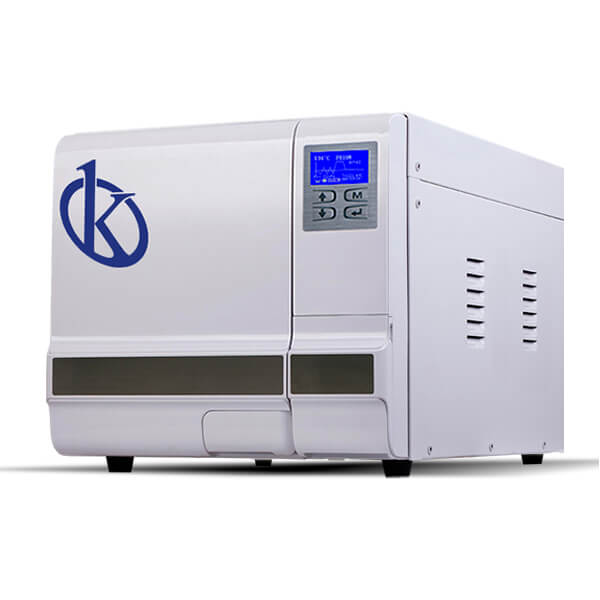
Understanding Predictive Maintenance and Recommended Calibration for Horizontal Autoclaves
In laboratory environments, the efficiency and reliability of equipment such as horizontal autoclaves are paramount. Predictive maintenance and regular calibration play crucial roles in ensuring these machines operate optimally. This article delves into the significance of these practices, particularly in the context of models like the Class B Table Autoclave YR03387, YR03388, YR03389, YR03390, YR03385C, and YR03385B.
Importance of Predictive Maintenance for Horizontal Autoclaves
Predictive maintenance is an approach that focuses on anticipating equipment failures before they occur, thereby minimizing downtime and maintenance costs. For horizontal autoclaves, this involves monitoring key performance indicators (KPIs) such as temperature consistency, pressure levels, and cycle times. Implementing a predictive maintenance plan can significantly enhance the lifespan of autoclaves, ensuring that they remain compliant with standards such as EN13060.
Key Components of Predictive Maintenance
Effective predictive maintenance for horizontal autoclaves comprises several components. These include regular inspections, performance data analysis, and the use of advanced diagnostic tools. For instance, models like the Class B Table Autoclave YR03390, known for its high precision, benefit greatly from routine performance evaluations, which help in identifying potential issues early.
Recommended Calibration Practices
Calibration is essential for maintaining the accuracy of autoclaves, ensuring that they meet industry standards. It is crucial to establish a calibration schedule that aligns with the manufacturer's recommendations and regulatory requirements. For example, the Class B Table Autoclave YR03385C features a sophisticated control system that requires periodic calibration to guarantee dependable sterilization results.
Calibration Schedule and Frequency
| Model Code | Calibration Frequency | Key Calibration Parameters | Recommended Action |
|---|---|---|---|
| YR03387 | Every 6 months | Temperature, Pressure, Time | Calibration Report Required |
| YR03388 | Every 6 months | Temperature, Pressure, Time | Calibration Report Required |
| YR03389 | Every 6 months | Temperature, Pressure, Time | Calibration Report Required |
| YR03390 | Every 6 months | Temperature, Pressure, Time | Calibration Report Required |
| YR03385C | Every 12 months | Temperature, Pressure, Time | Calibration Report Required |
| YR03385B | Every 12 months | Temperature, Pressure, Time | Calibration Report Required |
By adhering to this calibration schedule, laboratories can ensure that their horizontal autoclaves remain effective in sterilizing equipment and instruments, thereby protecting patient safety and maintaining compliance with industry standards.
Comparison of Available Models
| Model | Chamber Volume (L) | Max Temperature (°C) | Best for |
|---|---|---|---|
| YR03387 | 8 | 134 | Small clinics, tattoo shops |
| YR03388 | 12 | 134 | Beauty salons, veterinary clinics |
| YR03389 | 18 | 134 | Small laboratories |
| YR03390 | 23 | 134 | Larger laboratories |
| YR03385C | 29 | 134 | Veterinary practices |
| YR03385B | 45 | 134 | Large veterinary clinics |
This comparison highlights the various models available, showcasing their specific capabilities and ideal applications within the laboratory setting.
Common Mistakes and How to Avoid Them
Neglecting maintenance schedules is a common pitfall in laboratory settings. Many professionals overlook the importance of keeping up with predictive maintenance and calibration, leading to unexpected equipment failures. To avoid this, establish a comprehensive maintenance schedule, incorporating automated reminders for calibration and inspection dates. Additionally, ensure that only qualified personnel perform maintenance tasks to uphold safety and compliance.
Frequently Asked Questions
What are the recommended calibration standards for horizontal autoclaves in laboratories?
Calibration for horizontal autoclaves should adhere to ISO 17025 standards, which emphasize the importance of accuracy and precision. Models like YR03385C require calibration every 12 months to ensure compliance and reliable sterilization results.
How can predictive maintenance benefit the efficiency of horizontal autoclaves?
Implementing predictive maintenance allows laboratories to identify potential failures in models such as YR03389 before they occur, reducing downtime and maintenance costs, and enhancing the overall efficiency of sterilization processes.
What are the common calibration intervals for Class B Table Autoclaves in 2026?
In 2026, Class B Table Autoclaves, including YR03387, typically require calibration every six months to maintain compliance with EN13060 standards and ensure consistent sterilization performance.
Which horizontal autoclave model is best for small veterinary clinics?
The Class B Table Autoclave YR03388 is ideal for small veterinary clinics, offering a chamber volume of 12 liters and meeting EN13060 standards, making it perfect for efficient sterilization of instruments.
What key performance indicators are vital for maintaining horizontal autoclaves?
Key performance indicators such as temperature consistency, pressure levels, and cycle times are essential for maintaining horizontal autoclaves. Monitoring these metrics ensures models like YR03390 operate effectively and within compliance.
How does calibration affect the accuracy of sterilization in autoclaves?
Calibration directly impacts the accuracy of sterilization cycles in autoclaves. Regular calibration of models like YR03385B ensures that temperature and pressure are maintained at optimal levels, crucial for effective sterilization.
What should laboratories consider when selecting a horizontal autoclave model?
Laboratories should consider factors such as chamber volume, intended applications, and compliance with industry standards when selecting a horizontal autoclave model. The YR03390 suits larger labs, whereas YR03387 fits smaller practices.
How can laboratories ensure compliance with calibration standards for autoclaves?
To ensure compliance with calibration standards, laboratories must follow a strict calibration schedule based on ISO 17025. Regularly calibrating models like YR03388 at six-month intervals will help maintain compliance and reliability.
If you are looking for a fusion of innovation and quality, you have come to the right place. At Kalstein, we offer you the luxury of exploring our exclusive catalog of laboratory equipment. We manufacture every device to the highest standards of excellence. Our intuitive and seamless online purchasing channels are designed for your convenience, securing the most competitive prices. Hesitate no longer — we bring science to life, it is time to become part of our community.