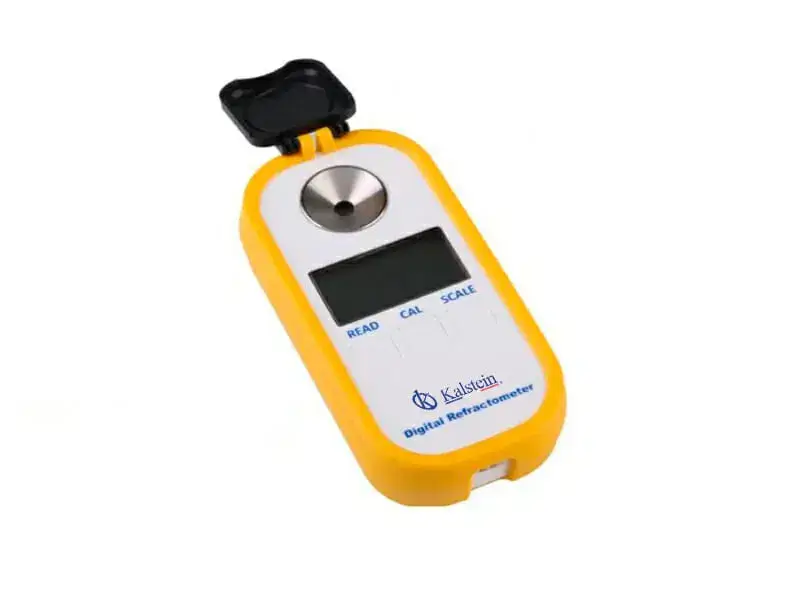
How to Implement Predictive Maintenance and Periodic Calibration for Digital BRIX Refractometers
Digital BRIX refractometers are essential tools in laboratories for measuring the concentration of soluble solids in various solutions. To ensure their accuracy and reliability, implementing predictive maintenance and regular calibration is crucial. This article delves into the best practices for maintaining these devices, focusing on techniques that enhance lab efficiency, reduce downtime, and ensure compliance with industry standards.
Understanding Digital BRIX Refractometers
Digital BRIX refractometers measure the concentration of solids, primarily sugar, in liquid solutions, which is vital for industries such as food and beverage, pharmaceuticals, and chemical manufacturing. Models like YR05944 and YR05945 are equipped with Automatic Temperature Compensation (ATC), allowing them to operate optimally within a specific temperature range.
Importance of Predictive Maintenance
Predictive maintenance is an approach that uses data analysis tools and techniques to detect anomalies in equipment operation and potential defects. This strategy can significantly reduce unexpected failures and prolong the lifespan of digital BRIX refractometers. By regularly monitoring their performance, labs can schedule maintenance activities at optimal times, minimizing disruption.
Key Components of Predictive Maintenance
The essential components of predictive maintenance include condition monitoring, regular data analysis, and timely interventions based on performance trends. For instance, monitoring the performance of YR05946 can help ascertain when calibration is necessary based on usage patterns and environmental factors.
Data Collection Techniques
Utilizing various data collection techniques like vibration analysis, thermal imaging, and regular performance logging helps in gathering accurate data. This data can be analyzed to forecast when a digital BRIX refractometer may require maintenance, thereby preventing critical failures.
Periodic Calibration: Ensuring Accurate Measurements
Calibration of digital BRIX refractometers is crucial for maintaining measurement accuracy. Calibration should be performed periodically based on the frequency of use and the manufacturer's recommendations. This process involves comparing the instrument's output with a known standard.
Calibration Frequency Recommendations
For accurate performance, it is recommended that calibration occurs at least once every month for high-frequency users. The YR05949 model, which is adept at measuring glucose concentrations, should undergo calibration more often if used in critical applications.
Steps for Effective Calibration
The calibration process generally involves the following steps: prepare calibration standards, ensure that the refractometer is clean and dry, measure the standards, and record the values. This method ensures that any deviations from the standard can be corrected promptly.
Comparison of Available Models
| Model | Measurement Range | ATC Range | Best for |
|---|---|---|---|
| YR05944 | Brix: 0.0-50.0% | 0-40°C | Fruit juices and syrups |
| YR05945 | Brix: 0.0-90.0% | 0-40°C | Concentrated solutions |
| YR05946 | Index of refraction: 1.3330-1.5177nD | 0-40°C | General laboratory use |
| YR05947 | Dextran: 0.0-10.6% | 0-40°C | Pharmaceutical applications |
| YR05948 | Fructose: 0.0-68.9% | 0-40°C | Food science |
| YR05949 | Glucose: 0.0-59.9% | 0-40°C | Health-related applications |
Common Mistakes and How to Avoid Them
In the realm of maintaining digital BRIX refractometers, common pitfalls include neglecting regular calibration, ignoring environmental factors affecting measurements, and improper cleaning of the devices. It is essential to establish a routine maintenance schedule and ensure proper training for staff using these refractometers.
Frequently Asked Questions
What is the ideal calibration frequency for a Digital BRIX Refractometer?
The ideal calibration frequency for a digital BRIX refractometer, such as the YR05944, is at least once a month, especially in high-frequency testing scenarios. Regular calibration ensures measurement accuracy and compliance with industry standards.
How can predictive maintenance enhance the lifespan of digital BRIX refractometers?
Predictive maintenance, through continuous monitoring and data analysis, can identify potential issues before they lead to failure. For instance, monitoring the YR05945 can help schedule maintenance needs, enhancing its lifespan significantly.
What are the consequences of improper calibration of refractometers?
Improper calibration of digital BRIX refractometers can lead to inaccurate measurements, which may affect product quality and compliance. For example, inaccuracies in the YR05946 could result in improper formulation of food products.
Which model is best suited for measuring high concentrations of sugar?
The YR05945 model is best suited for measuring high concentrations of sugar solutions, as it has a measurement range of 0.0-90.0% Brix, making it ideal for concentrated syrups and juices.
How do temperature variations affect digital BRIX refractometer readings?
Temperature variations can significantly affect the readings of digital BRIX refractometers. Models like the YR05944 come with Automatic Temperature Compensation (ATC), ensuring accurate readings despite temperature changes within the range of 0-40°C.
What is the significance of using ATC in Digital BRIX Refractometers?
Automatic Temperature Compensation (ATC) is significant as it corrects the refractive index based on temperature variations. Devices such as the YR05947 utilize ATC, ensuring that measurements remain accurate across various temperatures.
How can I establish a maintenance schedule for my Digital BRIX Refractometer?
Establishing a maintenance schedule involves determining usage frequency, setting calibration intervals, and logging performance data. For example, using the YR05948 model, you can track its performance and schedule calibrations based on usage patterns.
What factors should be considered when selecting a Digital BRIX Refractometer?
When selecting a digital BRIX refractometer, consider measurement range, ATC features, and specific application suitability. For instance, the YR05949 model offers a range specifically for glucose measurement, making it suitable for health-related applications.
If you are looking for a fusion of innovation and quality, you have come to the right place. At Kalstein, we offer you the luxury of exploring our exclusive catalog of laboratory equipment. We manufacture every device to the highest standards of excellence. Our intuitive and seamless online purchasing channels are designed for your convenience, securing the most competitive prices. Hesitate no longer — we bring science to life, it is time to become part of our community.