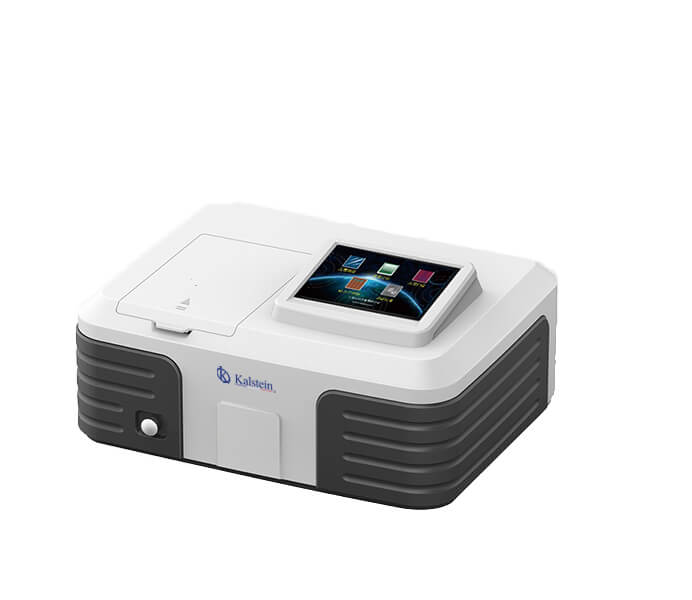
How to Optimize ROI and Cost-Benefit Analysis for Double Beam Spectrophotometers
In modern laboratories, particularly in the fields of chemistry and biochemistry, double beam spectrophotometers have emerged as essential instruments for precise measurements. The focus on Return on Investment (ROI) and cost-benefit analysis is crucial for laboratory managers aiming to justify purchases while optimizing operational budgets. This article discusses various strategies, considerations, and models available in the subcategory of double beam spectrophotometers, emphasizing how to achieve maximum ROI through careful selection and analysis of your laboratory's equipment.
Understanding the Importance of ROI and Cost-Benefit Analysis
ROI provides a quantifiable measure of the financial gain from an investment relative to its cost. In laboratory settings, every acquisition of equipment needs to align with strategic financial goals. Cost-benefit analysis complements this by comparing the expected costs with the anticipated benefits, allowing laboratory managers to make informed decisions. With the significant investment involved in purchasing double beam spectrophotometers, an in-depth understanding of both concepts is vital.
Key Factors Influencing ROI in Double Beam Spectrophotometers
Several factors can influence the ROI of double beam spectrophotometers, including the initial capital expenditure (CAPEX), operational costs (OPEX), the throughput of samples, and the expected lifecycle of the device. Furthermore, the capability of the spectrophotometer to integrate with existing laboratory processes and technologies can also impact ROI positively.
Comparison of Available Models
| Model | CAPEX (USD) | Cost per Test (USD) | Payback Period (months) | Recommended Scenario |
|---|---|---|---|---|
| YR01858 | 2500.00 | 0.50 | 12 | Basic laboratory use |
| YR01862 | 3150.00 | 0.45 | 10 | Advanced analysis and dynamic functions |
| YR01862-1 | 3550.00 | 0.40 | 9 | High-throughput environments |
| YR01862-2 | 3380.00 | 0.42 | 8 | Integrated systems requiring high accuracy |
| YR01864 | 3080.00 | 0.47 | 11 | Standard laboratory testing with robustness |
| YR01865 | 3440.00 | 0.43 | 9 | Flexible applications and robust testing |
Capital Expenditure (CAPEX) versus Operational Expenditure (OPEX)
Understanding the distinction and relationship between CAPEX and OPEX is essential in evaluating the ROI of double beam spectrophotometers. CAPEX refers to the initial costs associated with purchasing the equipment, while OPEX includes ongoing expenses like maintenance, consumables, and utilities. It's important to consider both when calculating the cost per test and overall efficiency.
Analyzing Cost per Test
The cost per test is a critical metric in determining the efficiency and effectiveness of laboratory operations. This metric includes factors such as reagent costs, maintenance, and labor. For instance, the YR01862-1 model, with a cost per test of 0.40 USD, offers a competitive advantage for labs that conduct a high volume of tests.
Payback Period Analysis
The payback period is the timeframe in which the initial investment is expected to be recovered from the net cash flows generated by the equipment. Models like the YR01862-2 that have a shorter payback period of only 8 months can significantly enhance financial viability for laboratories, allowing quicker reinvestment into additional technologies or improvements.
Common Mistakes and How to Avoid Them
Laboratory managers often make several mistakes when assessing ROI and cost-benefit analysis. A common error is failing to account for hidden costs such as training and integration. Additionally, inflexible models that do not adapt well to various testing scenarios can lead to inefficiencies. To avoid these pitfalls, it is essential to conduct thorough assessments that include all costs and potential return streams.
Frequently Asked Questions
What is the average ROI for double beam spectrophotometers in laboratories?
The average ROI for double beam spectrophotometers typically ranges from 12 to 18 months, depending on the model and usage. For example, the YR01862 model offers competitive pricing and efficient operation, leading to a favorable ROI.
How can I calculate the cost per test for my double beam spectrophotometer?
To calculate the cost per test, divide the total operational costs (including reagents, maintenance, and labor) by the number of tests performed. For instance, if the YR01864 model runs 1000 tests at a total cost of 470 USD, the cost per test would be 0.47 USD.
What models provide the best value for double beam spectrophotometers?
Models such as the YR01862 and YR01862-1 offer excellent value due to their advanced features and efficient cost per test. Their designs cater to a wide range of laboratory needs while maintaining affordability.
Which double beam spectrophotometer has the shortest payback period?
The YR01862-2 model boasts a payback period of just 8 months, making it an excellent choice for laboratories focused on rapid return on their investments while ensuring high-quality testing.
What factors should I consider when purchasing a double beam spectrophotometer?
Consider factors such as initial cost, operational efficiency, cost per test, and integration capabilities with existing lab systems. The YR01865 model is notable for its flexibility and robust testing options, which can enhance lab productivity.
How does the design of a double beam spectrophotometer affect its performance?
The design impacts accuracy and stability in measurements. For instance, the YR01858, with its suspension optical design, minimizes external vibrations and maintains measurement precision, providing reliable results.
What maintenance is required for double beam spectrophotometers?
Regular calibration, cleaning of optical components, and software updates are essential for maintaining performance. The YR01864 model features user-friendly software to facilitate maintenance schedules, ensuring optimal operation.
If you are looking for a fusion of innovation and quality, you have come to the right place. At Kalstein, we offer you the luxury of exploring our exclusive catalog of laboratory equipment. We manufacture every device to the highest standards of excellence. Our intuitive and seamless online purchasing channels are designed for your convenience, securing the most competitive prices. Hesitate no longer — we bring science to life, it is time to become part of our community.