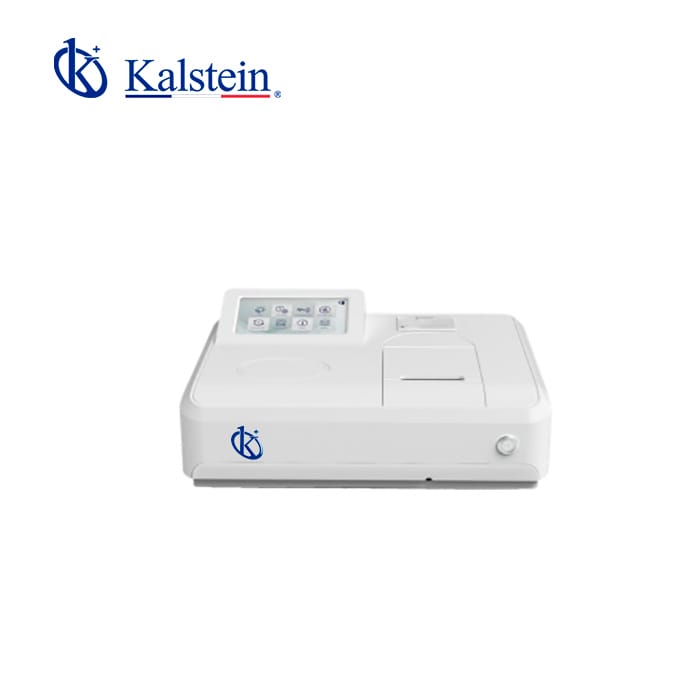
How to Optimize COD/BOD Analyzers for LIMS Integration and Data Flow Digitalization
In the ever-evolving landscape of laboratory technology, the integration of COD/BOD analyzers with Laboratory Information Management Systems (LIMS) has become vital for enhancing data management and workflow efficiency. This comprehensive guide delves into how these analyzers can align with digitalization goals, offering seamless data flow and improved operational outcomes.
Understanding COD/BOD Analyzers in the Context of LIMS
COD (Chemical Oxygen Demand) and BOD (Biochemical Oxygen Demand) analyzers play a crucial role in environmental monitoring and wastewater treatment. Their integration with LIMS facilitates the efficient management of large data sets, ensuring that laboratory operations not only comply with regulations but also enhance productivity. By automating data collection and analysis, laboratories can significantly reduce the time and labor involved in manual processes.
Key Features of COD/BOD Analyzers for LIMS Integration
Modern COD/BOD analyzers are equipped with advanced features that make them compatible with LIMS. These include:
- Data Export Capabilities: Many analyzers, such as the COD Analyzer YR06295, are designed with USB outputs that allow easy transfer of results to management systems.
- Automated Testing: Automation features, like those found in the BOD Analyzer YR06297, eliminate the need for constant supervision during tests, thereby enhancing productivity.
- Standardized Calibration: With built-in calibration curves, analyzers ensure consistent data quality, which is essential for regulatory compliance.
Integration Protocols for LIMS
To successfully integrate COD/BOD analyzers with LIMS, it is important to utilize proper connectivity protocols. Common protocols include:
- HL7: Useful for health-related data management and patient information.
- ASTM: Ensures standards for scientific data exchange.
- REST APIs: Facilitate flexible communication between analyzers and LIMS.
Comparison of Available Models
| Model | Connectivity | Protocols Supported | Integration Effort | Best For |
|---|---|---|---|---|
| YR06295 | USB | ASTM | Low | High-throughput labs |
| YR06296 | Micro USB | HL7 | Very Low | Field testing |
| YR06297 | Automated | REST API | Medium | Research applications |
| YR06298 | None | N/A | None | Support instrument |
Common Mistakes and How to Avoid Them
Integrating COD/BOD analyzers with LIMS can be challenging. Common mistakes include:
- Inadequate Planning: Failing to assess the compatibility of current laboratory processes with new technology can lead to inefficiencies.
- Overlooking Data Security: Ensure that any data exchanged between analyzers and LIMS is secure, utilizing encryption when necessary.
- Neglecting Training: Users must be adequately trained in utilizing both the analyzers and the LIMS for optimal performance.
Leveraging Automation for Data Management
Automation in COD/BOD analysis not only enhances accuracy but also streamlines data management. By integrating automated analyzers like the COD Analyzer Portable YR06296, laboratories can reduce human error and speed up the analysis process. Automated systems allow for real-time data capture, facilitating quicker decision-making and reporting.
Data Sovereignty and Compliance Considerations
When integrating analyzers with LIMS, compliance with data sovereignty laws is essential. Laboratories must ensure that data storage and processing comply with local regulations. For example, the BOD Analyzer YR06297's data management features allow for detailed historical records, which can be critical for audits and regulatory compliance.
Best Practices for Effective Integration
To achieve successful integration of COD/BOD analyzers with LIMS, consider the following best practices:
- Conduct Thorough Compatibility Testing: Before full integration, conduct tests to ensure systems can communicate effectively.
- Implement Standard Operating Procedures: Develop SOPs for data entry and management to ensure consistency and reliability.
- Regular Maintenance and Updates: Schedule regular checks to ensure both software and hardware are functioning optimally.
Frequently Asked Questions
How can LIMS integration enhance the functionality of COD/BOD analyzers?
LIMS integration enhances COD/BOD analyzers like the YR06295 by automating data entry and management, improving accuracy, and ensuring compliance with regulatory standards. This integration streamlines workflow, reducing the manual workload and allowing for quicker reporting.
What are the key data management features of the COD Analyzer YR06296?
The COD Analyzer Portable YR06296 features a user-friendly interface, a built-in calibration curve, and USB connectivity for easy data transfer to LIMS, enhancing overall data management efficiency.
Which protocols are essential for integrating BOD Analyzer YR06297 with LIMS?
The BOD Analyzer YR06297 supports REST API protocols, which are crucial for seamless integration with LIMS, ensuring effective data exchange and management across systems.
What are the most common mistakes during COD/BOD analyzer integration with LIMS?
Common mistakes include inadequate planning, neglecting data security, and insufficient training. Addressing these issues can enhance the integration process and overall performance.
How does automation improve the efficiency of BOD testing?
Automation in BOD testing, as seen with the YR06297, reduces the need for manual monitoring, increases throughput, and provides accurate real-time results, ultimately streamlining laboratory operations.
What role does data security play in LIMS integration for analyzers?
Data security is critical in LIMS integration for analyzers to protect sensitive information. Implementing encryption and secure data transfer protocols ensures compliance with data sovereignty regulations.
How does the integration of COD/BOD analyzers impact laboratory productivity?
Integrating COD/BOD analyzers with LIMS, like the YR06296, significantly boosts laboratory productivity by reducing manual entry, automating workflows, and facilitating real-time data access, leading to faster decision-making.
What is the expected ROI from implementing LIMS with COD/BOD analyzers?
The ROI from implementing LIMS with COD/BOD analyzers can be substantial, reducing labor costs and increasing throughput significantly. For example, the integration can yield a payback period of under a year, depending on laboratory size and usage.
If you are looking for a fusion of innovation and quality, you have come to the right place. At Kalstein, we offer you the luxury of exploring our exclusive catalog of laboratory equipment. We manufacture every device to the highest standards of excellence. Our intuitive and seamless online purchasing channels are designed for your convenience, securing the most competitive prices. Hesitate no longer — we bring science to life, it is time to become part of our community.