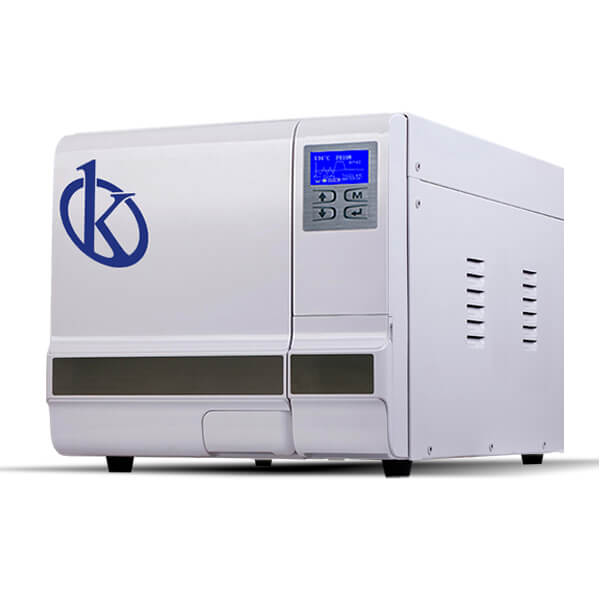
Maximizing Return on Investment with Horizontal Autoclaves: A Cost-Benefit Analysis
In the realm of laboratory equipment, Horizontal Autoclaves play a pivotal role in sterilization processes, ensuring safety and compliance with various standards. This article delves into the return on investment (ROI) associated with these devices, focusing on how a structured cost-benefit analysis can aid laboratories in making informed purchasing decisions.
Understanding Horizontal Autoclaves and Their Impact on ROI
Horizontal Autoclaves, such as the Class B Table Autoclaves YR03387, YR03388, YR03389, YR03390, YR03385C, and YR03385B, are crucial for various applications including veterinary practices, beauty salons, and laboratories. Their efficiency in achieving sterilization not only meets compliance needs but also improves operational transparency. This section will explore the essential features that contribute to optimizing ROI.
Key Features Influencing ROI
When evaluating Horizontal Autoclaves, certain features can significantly affect both operational costs and the overall ROI:
- Efficiency of Sterilization: Autoclaves like the YR03390 provide rapid sterilization cycles, enhancing throughput and productivity.
- Space Utilization: Compact models such as the YR03387 allow small businesses to maximize workspace while ensuring compliance with EN13060 standards.
- Energy Consumption: Models with optimized energy use, like the YR03385C, can lead to lower utility costs over time.
Cost-Benefit Analysis: A Step-by-Step Approach
Conducting a cost-benefit analysis requires a clear understanding of both initial and ongoing costs associated with each model. Below is a structured approach:
- Identify Initial Investment: This includes the purchase price, installation, and any necessary training for staff.
- Calculate Operational Costs: Consider maintenance, energy consumption, and supplies like sterilization pouches.
- Estimate Expected Benefits: Quantify improvements in productivity, compliance, and customer satisfaction.
- Perform Break-even Analysis: Determine how long it will take to recoup the initial investment.
Comparison of Available Models
| Model | CAPEX (USD) | Cost per Test (USD) | Payback (Months) | Recommended Scenario |
|---|---|---|---|---|
| YR03387 | 750.00 | 5.00 | 15 | Small Veterinary Offices |
| YR03388 | 835.00 | 6.00 | 16 | Beauty Salons |
| YR03389 | 900.00 | 6.50 | 17 | Laboratories |
| YR03390 | 1000.00 | 7.00 | 18 | High-Volume Testing Facilities |
| YR03385C | 2350.00 | 10.00 | 20 | Research Laboratories |
| YR03385B | 2800.00 | 12.00 | 22 | Large Healthcare Facilities |
Common Mistakes and How to Avoid Them
Investing in Horizontal Autoclaves can be straightforward, but some common pitfalls may arise that could affect ROI:
- Not Evaluating Long-term Costs: Many laboratories focus solely on initial purchases. It’s essential to factor in long-term operational costs.
- Underestimating Training Needs: Insufficient training may lead to improper use, affecting both safety and effectiveness.
- Ignoring Compliance Standards: Ensure that the chosen model meets industry standards, as failure to comply can lead to costly fines.
Frequently Asked Questions
What is the average ROI from using a Class B table autoclave in a small lab?
The average ROI from using a Class B table autoclave like the YR03387 can be calculated based on operational savings and efficiency. Many small labs report an ROI with a payback period of about 15 months due to reduced costs in sterilization materials and improved throughput.
How do I calculate the cost per test for a horizontal autoclave?
To calculate the cost per test for a horizontal autoclave, divide the total operational costs by the number of sterilization cycles performed. For example, with a YR03389 costing about $900 and an operational cost of $6.50 per test, labs can assess the financial feasibility over time.
Which horizontal autoclave models are most energy-efficient for small clinics?
For small clinics, models like the YR03387 and YR03388 are highly energy-efficient, with lower CAPEX and operational costs. Both models provide reliable sterilization while ensuring minimal energy consumption, making them ideal for frequent use.
What safety standards should a horizontal autoclave comply with?
Horizontal autoclaves must comply with safety standards such as EN13060. Models like the YR03390 are designed to meet these standards, ensuring safety in high-volume sterilization environments.
How do the features of the YR03385C improve laboratory efficiency?
The YR03385C enhances laboratory efficiency through its automated cycles and high-precision control system. This model reduces the time spent on sterilization, allowing labs to focus on testing, thus maximizing throughput.
What factors contribute to the longevity of a horizontal autoclave?
Factors contributing to the longevity of a horizontal autoclave include regular maintenance, adherence to operational guidelines, and the quality of sterilization cycles. Choosing models like the YR03385B can also lead to longer service life due to sturdy construction and design.
Which horizontal autoclave is best for a high-volume testing facility?
The YR03390 is optimal for high-volume testing facilities due to its larger chamber capacity and rapid sterilization cycles. Its design minimizes downtime and maximizes operational efficiency, making it suitable for laboratories requiring frequent sterilization.
How does the cost of maintenance affect the total cost of ownership for autoclaves?
The cost of maintenance significantly impacts the total cost of ownership. Regular servicing and part replacements for models like the YR03389 can add to operational expenses. Laboratories should factor these into their ROI calculations to ensure comprehensive financial assessments.
If you are looking for a fusion of innovation and quality, you have come to the right place. At Kalstein, we offer you the luxury of exploring our exclusive catalog of laboratory equipment. We manufacture every device to the highest standards of excellence. Our intuitive and seamless online purchasing channels are designed for your convenience, securing the most competitive prices. Hesitate no longer — we bring science to life, it is time to become part of our community.