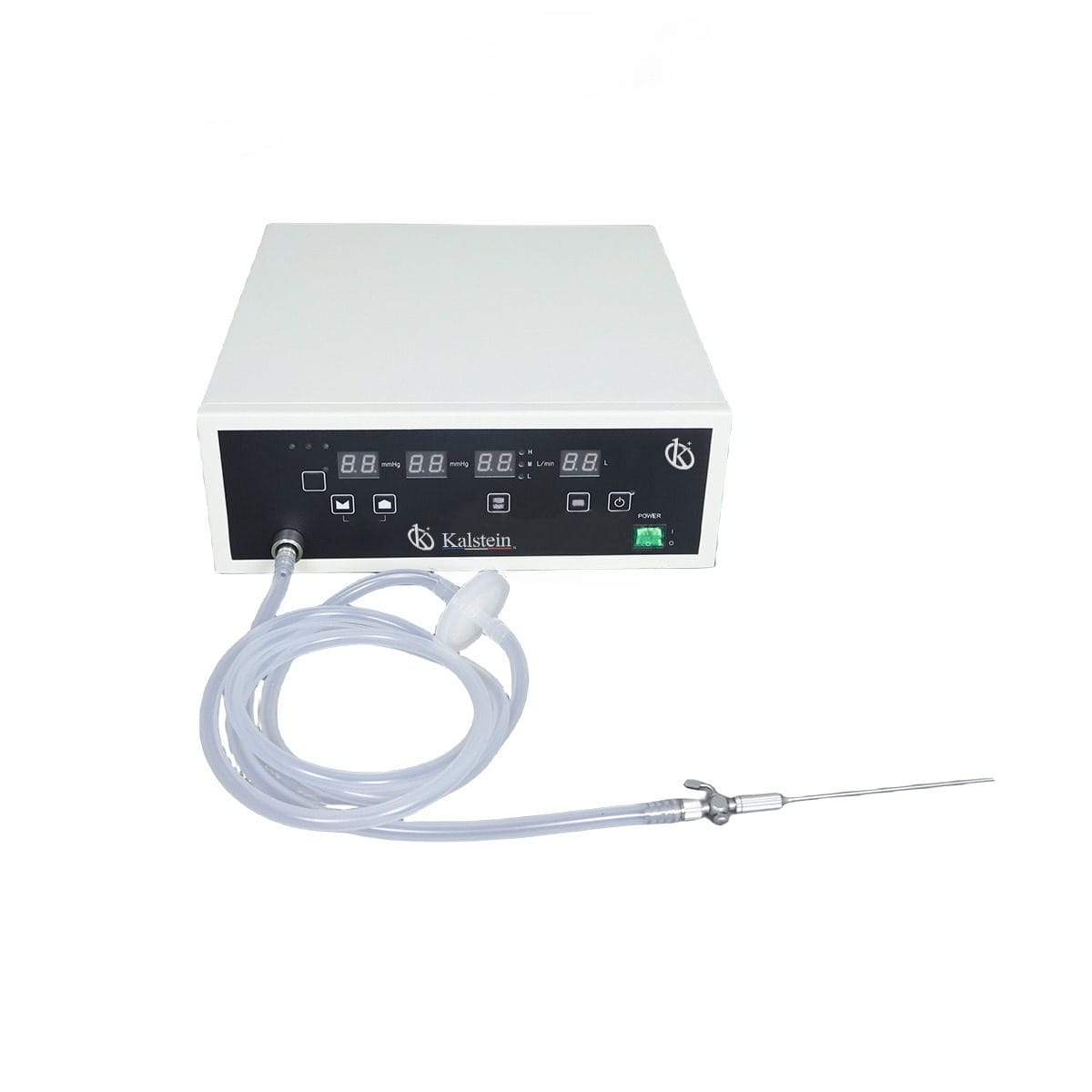
How to Optimize LIMS Integration for Veterinary Laparoscopy Systems?
The integration of Laboratory Information Management Systems (LIMS) with veterinary laparoscopy systems is crucial for enhancing data flow and operational efficiency. As veterinary practices increasingly adopt digital solutions, understanding how to seamlessly connect these systems can significantly improve procedural outcomes and patient care. In this article, we will delve into the key aspects of LIMS integration, compare various veterinary laparoscopy models, discuss common pitfalls, and address frequently asked questions.
Understanding LIMS Integration in Veterinary Medicine
LIMS integration refers to the process of connecting laboratory equipment with a centralized system that manages data and information within a veterinary practice. With the rise of digitalization, this integration helps streamline workflows, reduces errors, and enhances data accessibility. Veterinary laparoscopy systems play a significant role in this integration by providing real-time data that can be captured and analyzed for better decision-making.
Key Benefits of LIMS Integration
Integrating LIMS with veterinary laparoscopy systems offers several benefits, including improved data accuracy, faster reporting times, and enhanced compliance with regulatory requirements. By automating data entry and management processes, veterinary practices can reduce the manual workload on staff and minimize the potential for human error.
Comparison of Available Models
| Model | Connectivity | Protocols Supported | Integration Effort | Best For |
|---|---|---|---|---|
| YR06157 | USB, Ethernet | HL7, ASTM | Moderate | Small to medium veterinary clinics |
| YR06156 | Wireless | REST, HL7 | Low | Mobile veterinary practices |
| YR06158 | Ethernet | ASTM | High | Large animal hospitals |
Best Practices for LIMS Integration
To optimize LIMS integration with veterinary laparoscopy systems, it is essential to follow best practices. Firstly, assess the compatibility of your current systems with potential models. For instance, the YR06156 offers wireless connectivity, making it suitable for mobile practices where space is limited. Secondly, ensure proper training for staff on how to utilize integrated systems effectively. Lastly, regular monitoring and maintenance of the systems will ensure long-term efficiency.
Common Mistakes and How to Avoid Them
Many veterinary practices encounter challenges during the integration of LIMS and laparoscopic systems. One common mistake is underestimating the complexity of integration, which can lead to operational disruptions. To avoid this, conducting a thorough needs assessment and consulting with experts can provide valuable insights. Additionally, neglecting regular updates and maintenance can compromise system performance. Establish a protocol to routinely check system functionality and software updates.
Data Flow Optimization in Veterinary Practices
Optimizing data flow is critical in veterinary practices utilizing laparoscopy systems. A well-integrated LIMS allows for efficient data sharing between surgical teams and laboratory personnel. By implementing automated data entry systems, such as those offered in the YR06157, veterinary professionals can enhance their workflow and reduce the likelihood of errors during procedures.
Data Sovereignty Considerations
Data sovereignty refers to the legal implications of where data is stored and managed. When integrating LIMS with veterinary laparoscopy systems, it is vital to comply with local data protection laws. Ensure that the chosen system supports data encryption and secure access protocols to safeguard patient information.
Frequently Asked Questions
What are the advantages of integrating LIMS with veterinary laparoscopy systems?
Integrating LIMS with veterinary laparoscopy systems, such as the YR06158, enhances operational efficiency through improved data accuracy and faster reporting, ultimately leading to better patient outcomes.
How can I ensure compliance with data protection regulations when using LIMS?
To ensure compliance, choose a LIMS that supports data encryption and secure access protocols. Systems like YR06156 are designed to meet stringent data protection regulations, safeguarding patient information effectively.
What models are best for small veterinary clinics looking to implement LIMS?
The YR06157 is ideal for small veterinary clinics due to its moderate integration effort and compatibility with standard protocols like HL7, allowing for efficient data management.
How long does LIMS integration typically take in veterinary practices?
Integration time varies based on the complexity of the existing systems. On average, it can take anywhere from a few weeks to several months, particularly with models like YR06158, which require extensive setup.
Can LIMS integration improve surgical outcomes in veterinary laparoscopy?
Yes, LIMS integration can significantly improve surgical outcomes by facilitating real-time data sharing and reducing errors during procedures, as seen with the implementation of systems like YR06156.
What challenges do practices face during LIMS integration?
Common challenges include staff resistance to new technology and underestimating the integration process's complexity. Utilizing models such as YR06157 can mitigate these issues through user-friendly interfaces.
What role does training play in successful LIMS integration?
Training is critical for successful LIMS integration as it ensures staff members are comfortable with new technologies. Comprehensive training programs should be implemented when introducing systems like YR06158.
Conclusion
Optimizing LIMS integration with veterinary laparoscopy systems is essential for enhancing data flow, improving clinical outcomes, and streamlining operations. By understanding the benefits, best practices, and potential pitfalls, veterinary professionals can leverage these technologies to their full potential.
If you are looking for a fusion of innovation and quality, you have come to the right place. At Kalstein, we offer you the luxury of exploring our exclusive catalog of laboratory equipment. We manufacture every device to the highest standards of excellence. Our intuitive and seamless online purchasing channels are designed for your convenience, securing the most competitive prices. Hesitate no longer — we bring science to life, it is time to become part of our community.