Navigating ISO/IEC Compliance in COD/BOD Analyzers: Key Considerations
In the realm of laboratory testing, compliance with ISO/IEC standards is crucial for ensuring reliability and accuracy. For laboratories that conduct chemical oxygen demand (COD) and biochemical oxygen demand (BOD) testing, understanding how different analyzers fit into the regulatory landscape can significantly enhance operational efficiency and quality assurance. This article delves into the features of various COD/BOD analyzers while examining their alignment with ISO/IEC standards, thereby guiding professionals in selecting appropriate technologies for their laboratories.
Understanding ISO/IEC Standards Relevant to COD/BOD Testing
ISO/IEC standards provide frameworks and requirements necessary for maintaining quality in laboratory processes. Specific standards that relate to COD/BOD testing include ISO 17025, which outlines general requirements for the competence of testing and calibration laboratories. Compliance with this standard ensures that laboratories are capable of producing valid and reliable results.
Moreover, ISO 15189 is instrumental for medical laboratories as it specifies requirements for quality and competence. For laboratories focused on environmental testing and water quality assessment, adherence to IEC 61010 ensures safety and performance of electrical equipment used in such analyses. Understanding these standards allows laboratories to streamline their operations and enhances trust in their results.
How COD/BOD Analyzers Facilitate ISO Compliance
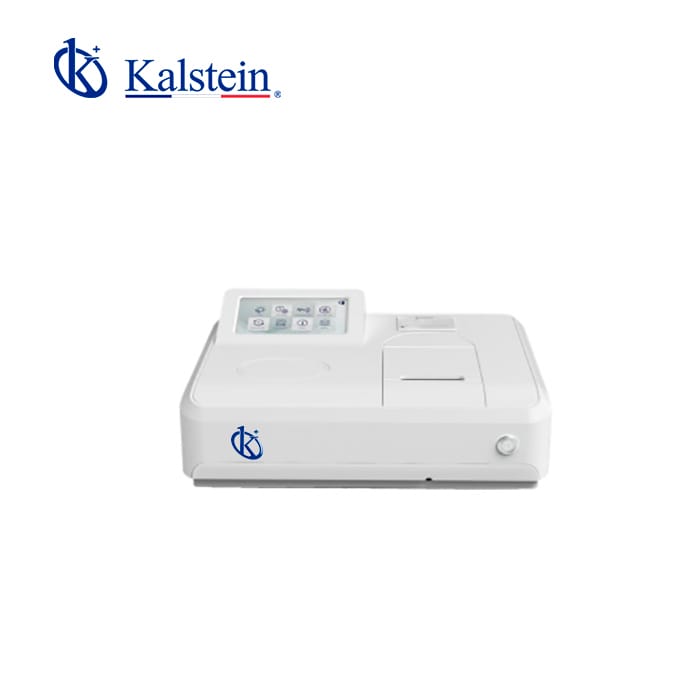
Each model of COD/BOD analyzer has unique features that facilitate compliance with ISO standards. For example, the COD Analyzer YR06295 is designed to provide accurate and rapid COD measurements, incorporating advanced technology that simplifies the analysis process without requiring extensive calibration. This is particularly beneficial for ISO 17025 compliance, as it minimizes human error—one of the critical factors in achieving reliable results.
Similarly, the BOD Analyzer YR06297 utilizes a mercury-free method and provides real-time results across multiple channels, enhancing reproducibility and reliability in line with ISO 15189 requirements. These features underline the importance of selecting the right equipment to meet compliance demands effectively.
Comparison of Available Models
| Model | ISO/IEC Clauses Covered | Traceability Features | Best For |
|---|---|---|---|
| YR06295 | ISO 17025 | Automated data logging | General laboratory use |
| YR06296 | ISO 17025 | Custom calibration curves | Field measurements |
| YR06297 | ISO 15189 | Real-time data tracking | Environmental testing |
| YR06298 | IEC 61010 | Programmable digestion protocols | High-throughput labs |
Common Mistakes and How to Avoid Them
In the pursuit of compliance, laboratories often make several common mistakes. One prevalent error is neglecting to regularly validate their equipment against ISO/IEC standards. It is crucial to maintain an ongoing schedule of calibration and validation to ensure that all devices, such as the COD Analyzer Portable YR06296, consistently meet regulatory requirements.
Another frequent mistake is inadequate documentation. Laboratories must ensure that all procedures and results are thoroughly documented, as this is essential for compliance with ISO 17025 and ISO 15189. Having a well-organized documentation process simplifies audits and reinforces the credibility of laboratory results.
The Role of Automation in Compliance
Automation in COD/BOD testing significantly enhances compliance with ISO standards. For instance, the BOD Analyzer YR06297's automated testing process reduces the need for manual intervention, thereby minimizing the risk of human error. Automation also facilitates better data management and retrieval, which is crucial for ISO compliance. By utilizing such models, laboratories can improve their operational efficiency while ensuring adherence to required standards.
Data Management and Compliance
Compliance with ISO/IEC standards also hinges on robust data management practices. Effective data management ensures that all test results are traceable and verifiable, which is a requirement under ISO 17025. The COD Analyzer YR06295, with its data logging capabilities, exemplifies how technology can assist laboratories in maintaining compliance. By integrating systems that support data traceability, laboratories can enhance the integrity of their testing processes.
Cost-Benefit Analysis of Compliance
Understanding the cost implications of compliance is essential for laboratory managers. The investment in high-quality COD/BOD analyzers, such as the YR06297, may appear steep initially but can lead to long-term savings through improved accuracy and reduced rework. A cost-benefit analysis can illustrate how the initial capital expenditure translates into operational savings over time, making a compelling case for compliance investments.
Frequently Asked Questions
What are the key ISO standards for COD/BOD analyzers in laboratories?
The key ISO standards for COD/BOD analyzers include ISO 17025 for testing laboratory competence and ISO 15189 for medical laboratories. Compliance with these standards ensures accuracy and reliability in laboratory results.
How can the YR06295 COD Analyzer help with ISO compliance?
The YR06295 COD Analyzer streamlines the analysis process with minimal calibration, reducing human error, which is crucial for ISO 17025 compliance. Its features enhance reliability and efficiency in producing valid test results.
Which BOD analyzer meets ISO 15189 requirements best?
The BOD Analyzer YR06297 is optimized for ISO 15189 requirements, offering real-time data tracking and multiple test channels that ensure accurate and reproducible results for environmental testing.
What are the benefits of automated data logging in compliance?
Automated data logging, as seen in the YR06295, enhances ISO compliance by ensuring that all results are accurately recorded and easily retrievable for audits, which reinforces the credibility of laboratory operations.
How does the YR06296 assist in field measurements?
The YR06296 COD Analyzer is portable and equipped with custom calibration curves, making it ideal for field measurements while ensuring compliance with ISO 17025 through accurate testing protocols.
What is the cost-benefit of investing in ISO compliant analyzers?
Investing in ISO compliant analyzers like the YR06297 can lead to significant long-term savings due to improved accuracy, reduced errors, and minimized rework, ultimately fostering a more compliant laboratory environment.
How often should calibration be performed for compliance?
Calibration frequency varies based on laboratory protocols, but for compliance with ISO 17025, regular calibration is essential to maintain accuracy and reliability in results obtained from analyzers like the YR06295.
Why is documentation critical in laboratory compliance?
Documentation is critical in laboratory compliance as it provides a traceable record of processes and results, essential for audits and meeting the requirements set forth by ISO 17025 and ISO 15189.
If you are looking for a fusion of innovation and quality, you have come to the right place. At Kalstein, we offer you the luxury of exploring our exclusive catalog of laboratory equipment. We manufacture every device to the highest standards of excellence. Our intuitive and seamless online purchasing channels are designed for your convenience, securing the most competitive prices. Hesitate no longer — we bring science to life, it is time to become part of our community.