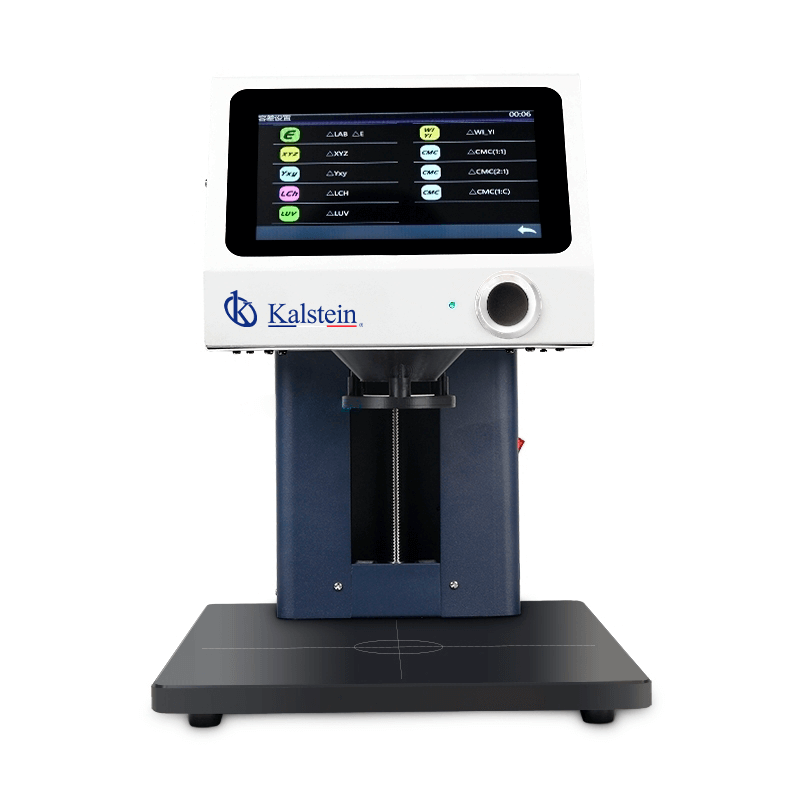
How to Interpret Results and Read Measurements with the YR05483 Spectrophotometer
Understanding how to interpret results and read measurements accurately is essential for operators using the YR05483 non-contact table spectrophotometer. This advanced instrument, developed by Kalstein, provides reliable color measurement without direct contact with the sample, making it suitable for a variety of applications in laboratories and production settings. In this article, we will explore the nuances of obtaining precise color readings, understanding measurement results, and troubleshooting common issues to ensure optimal performance.
Understanding the YR05483 and Its Measurement Capabilities
The YR05483 spectrophotometer operates using a 45/0 measurement geometry, which allows it to capture light reflectance from samples in a non-contact manner. This feature is particularly valuable for sensitive materials, as it prevents contamination and damage. The instrument's robust design and advanced optical system allow it to deliver high-precision measurements across various industries, including food, cosmetics, and manufacturing.
Technical Specifications of the YR05483
| Specification | Details |
|---|---|
| Model | YR05483 |
| Illumination System | 45/0 method |
| Light Source | Full spectrum LED |
| Wavelength Range | 400~700nm |
| Measurement Distance | 7.5 mm (non-contact) |
| Display | 7" TFT capacitive touch screen |
| Power Supply | 24 V DC, 3 A |
| Dimensions | 330 x 250 x 370 mm |
| Weight | Approx. 10 kg |
Correct Reading of Measurement Results
When interpreting results from the YR05483, it's crucial to understand the units displayed and their significance. The instrument outputs colorimetric values in various formats, including CIE XYZ, Lab, and HunterLab, each serving different analytical purposes. Familiarity with these terms will help operators accurately assess color differences and consistency across samples.
The YR05483 also provides chromaticity values and reflectance percentages. Operators should pay attention to the percentage of reflectance, which indicates how much light is reflected by the sample, providing insights into its color characteristics. Understanding the normal ranges for reflectance based on industry standards will enhance the ability to interpret data effectively.
Common Misinterpretations and How to Avoid Them
One of the most frequent challenges when using the YR05483 is misinterpreting results due to lack of context or understanding of the sample qualities. For instance, when analyzing food products, the perceived color might differ from the measured reflectance due to factors like texture or presentation. Additionally, environmental factors such as lighting conditions during measurement can skew results.
To avoid misinterpretations, operators should establish a standard operating procedure that includes specific conditions for measurement (e.g., ambient light, sample preparation). Regular calibration of the YR05483 is essential to ensure consistent results and to validate findings against known standards.
Measurement Protocols for Different Industries
The applicability of the YR05483 spans various industries, each with unique requirements for color measurement and analysis. Here’s a brief overview:
- Food Industry: The YR05483 is used for color consistency in products like sauces and beverages. Operators should establish protocols for sample preparation, ensuring they are in a suitable state for measurement.
- Cosmetics: In the cosmetic industry, achieving precise color matching is crucial. The YR05483 assists in maintaining brand standards by providing accurate readings of product color.
- Textiles: For textile manufacturers, color reproduction is vital. Using the YR05483, companies can monitor production runs for color fidelity across different batches.
Troubleshooting Common Issues with the YR05483
Even with a reliable instrument like the YR05483, users may encounter issues. Below is a symptom-cause-solution table to assist in troubleshooting:
| Symptom | Possible Cause | Solution |
|---|---|---|
| Inconsistent readings | Calibration drift | Recalibrate the instrument according to the manufacturer’s guidelines. |
| Device not powering on | Power supply issues | Check the power adapter and ensure it is plugged in properly. |
| Display not responding | Software malfunction | Restart the device; if the issue persists, contact support for software reset. |
| Erroneous color discrepancies | Environmental interference | Ensure that the measurement area is free from direct light and vibrations. |
Frequently Asked Questions
What is the measurement principle of the YR05483 spectrophotometer?
The YR05483 employs a 45/0 illumination geometry where light reflects off the sample at a 45-degree angle, with the detector positioned at 0 degrees. This setup minimizes the effects of surface texture and provides accurate color measurements.
How do I calibrate the YR05483 spectrophotometer?
Calibration involves using a standard white reference plate provided with the YR05483. Follow the manufacturer's instructions to perform a calibration routine before each session to ensure accurate readings.
What are some common uses for the YR05483 in the food industry?
The YR05483 is used for monitoring color consistency in products like sauces, juices, and packaged foods. Accurate color measurement helps ensure quality control and product appeal.
Can the YR05483 be used for outdoor measurements?
While the YR05483 is designed for laboratory use, it can be adapted for outdoor measurements with appropriate shielding against direct sunlight and wind. Always ensure the measurement area is stable and controlled.
How do I interpret color difference values from the YR05483?
Color difference values, typically expressed in ΔE, indicate the perceptual difference between two colors. A ΔE of less than 1 is generally considered acceptable for color matching, whereas higher values indicate more significant differences.
What maintenance is required for the YR05483?
Regular maintenance includes cleaning the optical surfaces, performing periodic calibrations, and ensuring the sensing unit is free from dust and debris. Following the manufacturer’s maintenance schedule is crucial for longevity.
Conclusion and Call to Action
If you are looking for a fusion of innovation and quality, you have come to the right place. At Kalstein, we offer you the luxury of exploring our exclusive catalog of laboratory equipment. We manufacture every device to the highest standards of excellence. Our intuitive and seamless online purchasing channels are designed for your convenience, securing the most competitive prices. Hesitate no longer — we bring science to life, it is time to become part of our community.