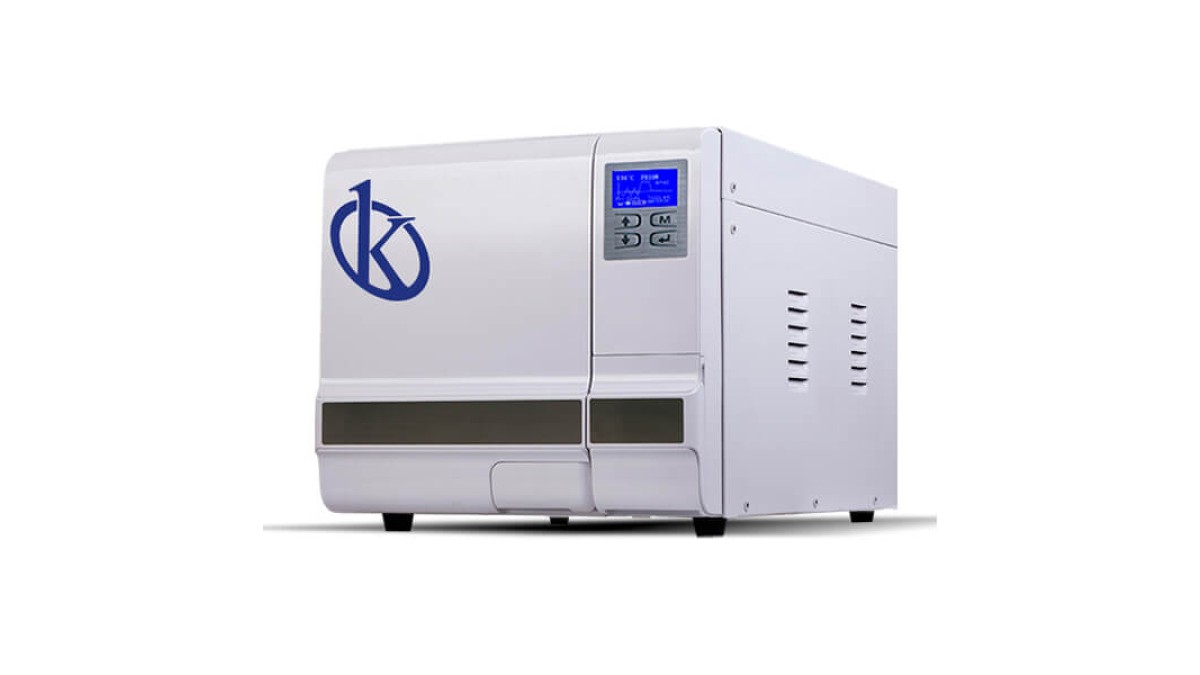
Horizontal Autoclaves: Best Techniques and Protocols in 2026
What is it used for in 2026
In 2026, Horizontal Autoclaves are primarily used for sterilizing laboratory instruments, medical equipment, and materials in various settings including healthcare, veterinary, and beauty industries. These devices ensure that all surfaces come into contact with steam, effectively eliminating all microorganisms and ensuring safe usage of equipment in sterile environments. Their compact design allows them to fit into smaller facilities while still providing robust sterilization capabilities.
History and evolution of the technology
The technology of autoclaving has evolved significantly from its early days in the 19th century. Initially developed for preserving food, autoclaving was later adapted for medical and laboratory use. In the last few decades, advancements in automation and control systems have transformed autoclaves from basic pressure cookers into sophisticated machines capable of performing complex sterilization cycles. The incorporation of pre-vacuum systems, improved thermal sensors, and programmable cycles has enhanced reliability and efficiency, making Horizontal Autoclaves a staple in modern laboratories.
How to use it step by step
- Preparation: Gather all items you intend to sterilize. Ensure they are clean and free from debris.
- Loading: Place items in the autoclave according to the manufacturer's instructions. Ensure proper spacing for steam circulation.
- Setting Parameters: Select the appropriate cycle based on the contents. Most models will offer options for different materials.
- Start Cycle: Close the autoclave door securely and start the sterilization cycle.
- Cooling and Drying: Allow the autoclave to cool before opening. Some models have an automatic drying cycle.
- Unload: Carefully remove the sterilized items, ensuring safety and integrity.
Best techniques and protocols
To achieve optimal results when using Horizontal Autoclaves, it is important to follow established protocols that include:
- Pre-vacuum sterilization for porous loads to remove air effectively.
- Regular validation of sterilization cycles through biological indicators.
- Routine maintenance and calibration of the equipment to ensure precision.
- Proper packing of items to facilitate steam penetration.
Practical applications by laboratory type
Horizontal Autoclaves are versatile and serve various types of laboratories:
- Medical Laboratories: Autoclaving surgical instruments and glassware.
- Veterinary Clinics: Sterilizing tools and equipment used on animals.
- Beauty Salons: Ensuring tools used on clients are germ-free.
- Research Laboratories: Sterilizing media and instruments used in experiments.
Regulations, standards and certifications
In 2026, compliance with regulations such as EN 13060 is crucial for all Horizontal Autoclaves. This standard outlines the requirements for small steam sterilizers. Additionally, laboratories must adhere to local and international safety regulations to ensure that sterilization practices meet health and safety standards.
Comparison with alternative technologies
While Horizontal Autoclaves are highly effective, alternative sterilization methods such as chemical sterilization and ethylene oxide gas sterilization exist. However, these methods can involve toxic substances and may require longer timeframes. In contrast, Horizontal Autoclaves use steam, which is safer, faster, and more effective against a wider range of pathogens.
Comparison of available models
| Model | Best for | Key specs | Recommended use case |
|---|---|---|---|
| YR03387 | Small laboratories | 8L capacity, 1750w | Ideal for tattoo parlors and beauty salons |
| YR03388 | Small to medium clinics | 12L capacity, 1750w | Perfect for podiatric consultations |
| YR03389 | Medium-sized labs | 18L capacity, 1750w | Suitable for veterinary practices |
| YR03390 | Large laboratories | 23L capacity, 1750w | Best for research labs requiring high throughput |
| YR03385C | High demand environments | 29L capacity, 2300w | Great for large veterinary and medical facilities |
| YR03385B | Industrial use | 45L capacity, 3800w | Effective for large-scale sterilization tasks |
Common mistakes and how to avoid them
Some common mistakes include:
- Overloading the autoclave, leading to ineffective sterilization.
- Incorrect cycle selection based on load type.
- Neglecting regular maintenance, which can affect performance.
- Not validating sterilization results, leading to unsafe practices.
To avoid these issues, always adhere to the manufacturer's guidelines, ensure regular training for operators, and implement a routine for maintenance and validation.
Maintenance, calibration and good practices 2026
Maintaining Horizontal Autoclaves involves:
- Regular checking of seals and gaskets for wear and tear.
- Calibrating temperature and pressure sensors periodically.
- Running validation tests using biological indicators at least quarterly.
- Cleaning the chamber and components to prevent buildup of residues.
Cost-benefit analysis 2026
Investing in Horizontal Autoclaves can provide significant long-term benefits, including:
- Reduced risk of infection through reliable sterilization.
- Time efficiency given the rapid cycles offered by modern autoclaves.
- Lower operational costs in comparison to chemical sterilization methods.
The initial investment is outweighed by the long-term savings and improvements in practice.
Frequently asked questions
What should I consider when choosing a Horizontal Autoclave?
Consider the capacity needed for your laboratory, the types of materials you will sterilize, and the space available for installation. Also, evaluate the efficiency and energy consumption of the models.
How often should I validate my sterilization cycles?
It's recommended to validate sterilization cycles at least quarterly, or more frequently if the autoclave is used heavily. Biological indicators should also be checked after any significant maintenance or repairs.
What is the best way to load items into the autoclave?
Ensure that items are properly organized and spaced to allow steam circulation. Avoid overloading and make sure that all items are compatible with steam sterilization.
Can I sterilize liquids in a Horizontal Autoclave?
Yes, but it is essential to check the manufacturer's guidelines regarding the sterilization of liquids. Special precautions must be taken to prevent boiling over.
What are the signs that my autoclave needs maintenance?
Common signs include inconsistent cycle times, failure to reach sterilization temperatures, and visible leaks or unusual noises during operation.
How do I know if my sterilization process was successful?
Regularly using biological indicators is the best way to confirm the effectiveness of your sterilization process. Additionally, check the physical results post-sterilization for any signs of contamination.
If you are looking for a fusion of innovation and quality, you have come to the right place. At Kalstein, we offer you the luxury of exploring our exclusive catalog of laboratory equipment. We manufacture every device to the highest standards of excellence. Our intuitive and seamless online purchasing channels are designed for your convenience, securing the most competitive prices. Hesitate no longer — we bring science to life, it is time to become part of our community.