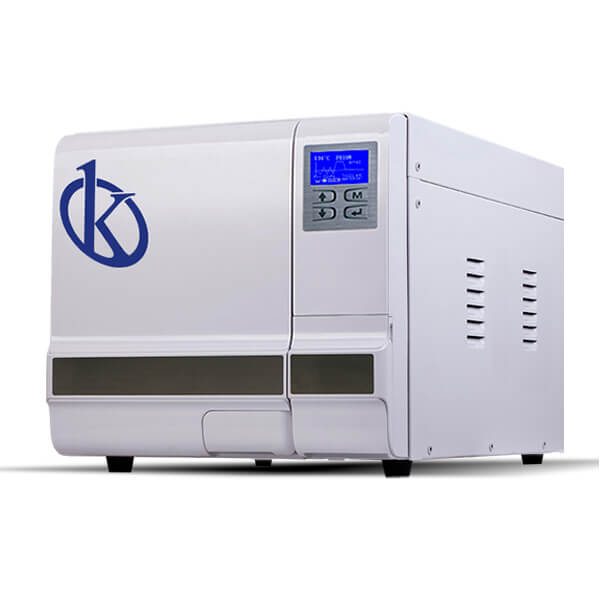
How to Choose an Energy-Efficient Horizontal Autoclave for Sustainable Practices
In today’s laboratory settings, the focus on sustainability and environmental impact is more critical than ever. The choice of laboratory equipment, such as horizontal autoclaves, plays a pivotal role in reducing energy consumption and minimizing the overall environmental footprint. This article delves into the factors that contribute to selecting energy-efficient horizontal autoclaves, examining several models and how they align with sustainable practices.
Understanding Energy Efficiency in Autoclaves
Energy efficiency in autoclaves refers to the effective use of energy resources during the sterilization process. This includes minimizing energy consumption per cycle, reducing water usage, and lowering emissions. Energy-efficient models contribute significantly to sustainability by not only cutting costs but also aligning with international standards and certifications geared towards eco-friendliness.
Comparison of Available Models
| Model | Chamber Volume (Liters) | Power Consumption (Watts) | Energy Consumption per Cycle (kWh) | Best for |
|---|---|---|---|---|
| YR03387 | 8 | 1750 | 0.75 | Small labs, tattoo shops |
| YR03388 | 12 | 1750 | 0.85 | Beauty salons, veterinary clinics |
| YR03389 | 18 | 1750 | 0.95 | General laboratories |
| YR03390 | 23 | 1750 | 1.05 | Medium-sized labs |
| YR03385C | 29 | 2300 | 1.20 | Commercial labs |
| YR03385B | 45 | 3800 | 1.50 | High-throughput labs |
Key Features for Energy Efficiency
When selecting an energy-efficient horizontal autoclave, consider features such as pre-vacuum technology, programmable cycles, and insulation methods. Models like the YR03385C provide advanced insulation, which helps maintain temperature and pressure while minimizing energy loss. Additionally, looking for features that allow for shorter cycle times can significantly reduce energy consumption.
Quantifying Energy Savings
Determining the energy savings of various autoclave models can be achieved through a comparative analysis of their energy consumption per cycle. For instance, if the YR03388 consumes 0.85 kWh per cycle compared to the YR03390 at 1.05 kWh, the former will result in lower operational costs and decreased energy waste over time. By calculating the average use per month, labs can forecast potential savings effectively.
Water and Reagent Efficiency
In addition to energy consumption, the use of water and sterilization reagents is critical in assessing environmental impact. Models should be evaluated on their water usage per cycle, as reduced water consumption not only conserves resources but also decreases wastewater generation. The YR03387, with its compact design and optimized water usage, stands out for small-scale applications.
Lifecycle Assessment and Environmental Impact
Conducting a lifecycle assessment (LCA) allows labs to understand the environmental implications of their equipment from production to disposal. Energy-efficient models generally exhibit a lower carbon footprint through their operational efficiencies and reduced waste generation. The YR03385B model, while higher in upfront costs, may offer longer-term sustainability benefits due to its robust design and energy-saving features.
Common Mistakes and How to Avoid Them
Selecting the wrong autoclave can lead to inefficiencies and inflated operational costs. Common mistakes include neglecting to consider the total cost of ownership, including energy and water consumption, and failing to evaluate the long-term benefits of energy-efficient technologies. Always analyze your specific workload and operational requirements before making a decision.
Frequently Asked Questions
What energy consumption should I expect from a horizontal autoclave?
Energy consumption varies by model; for example, the YR03390 consumes about 1.05 kWh per cycle, making it suitable for medium-sized labs focused on energy savings.
How does the YR03387 compare in energy efficiency to larger models?
The YR03387 is ideal for small labs with its 0.75 kWh cycle consumption, which is significantly lower than larger models like the YR03385B, which uses 1.50 kWh per cycle.
Which horizontal autoclave minimizes environmental impact best?
The YR03385C features advanced insulation and a larger chamber, providing higher efficiency and lower emissions, making it one of the best options for reducing environmental impact.
How can I ensure my autoclave is compliant with sustainability standards?
Selecting models like the YR03389, which meet EN13060 standards, ensures compliance with regulatory guidelines while providing energy-efficient sterilization.
What factors influence the operational costs of an autoclave?
Factors include energy consumption per cycle, water usage, and maintenance costs. For instance, switching from YR03390 to YR03387 can reduce energy and water expenses significantly.
How often should I perform maintenance on energy-efficient autoclaves?
Regular maintenance is crucial; schedule checks every 6 months for models like the YR03385C to maintain performance and energy efficiency.
What is the importance of pre-vacuum technology in autoclaves?
Pre-vacuum technology, utilized in models like the YR03388, improves steam penetration and reduces cycle times, enhancing overall energy efficiency.
How can I reduce my lab's carbon footprint with autoclave choices?
Opting for energy-efficient models such as the YR03387, which consumes less energy and water, can significantly help lower your lab’s carbon footprint.
If you are looking for a fusion of innovation and quality, you have come to the right place. At Kalstein, we offer you the luxury of exploring our exclusive catalog of laboratory equipment. We manufacture every device to the highest standards of excellence. Our intuitive and seamless online purchasing channels are designed for your convenience, securing the most competitive prices. Hesitate no longer — we bring science to life, it is time to become part of our community.