Electrophoresis

Electrophoresis is a powerful analytical technique used in laboratories to separate and analyze macromolecules such as proteins and nucleic acids. This method utilizes an electric field to move charged particles through a gel or solution, enabling researchers to identify and quantify biomolecules effectively.
With advancements in technology, various electrophoresis systems have been developed, allowing for increased precision and efficiency in research. Understanding the different types of electrophoresis can help laboratories choose the right equipment to meet their specific needs.
Types of electrophoresis your laboratory may need
Horizontal
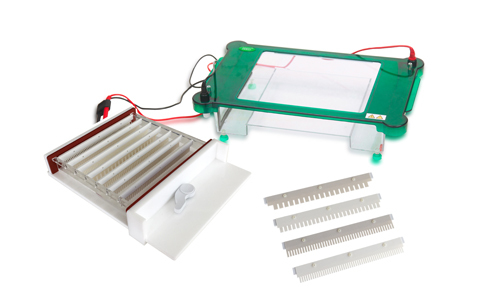
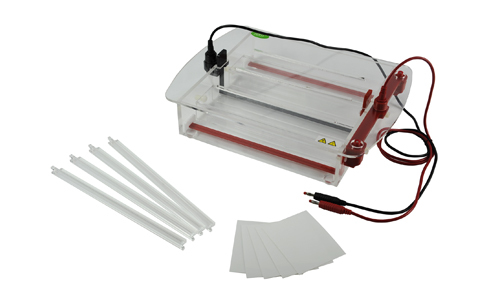
Horizontal electrophoresis is primarily used for DNA and RNA separation using agarose gels. This method allows for the effective resolution of nucleic acid fragments, crucial for applications like gel electrophoresis in genetic analysis. The setup is characterized by a horizontal gel plate, enabling easy sample loading and visualization.
Researchers often prefer horizontal systems for their versatility and user-friendly design. They are ideal for various applications, including DNA fingerprinting, cloning, and sequencing, making them a staple in molecular biology labs.
Vertical

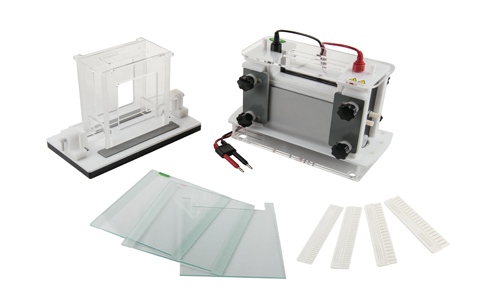
Vertical electrophoresis systems are primarily used for protein separation. They allow for a more compact gel configuration, which is beneficial for high-resolution separation of proteins or peptides. Vertical gels are often used in applications requiring precise analysis, such as SDS-PAGE and western blotting.
This type of electrophoresis is essential for researchers focusing on proteomics as it provides enhanced resolution and faster run times. The vertical setup optimizes sample loading and minimizes diffusion, ensuring high-quality results in protein analysis.
What you should know before selecting a electrophoresis and making an investment
Key factors to consider
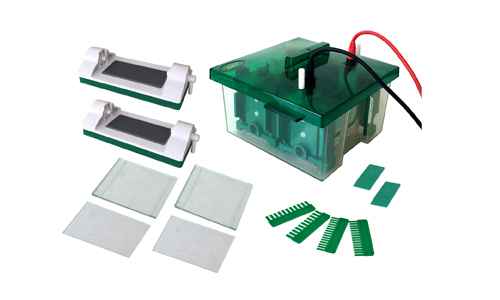
When selecting an electrophoresis system, consider the type of samples you will be analyzing. Different systems are suited for nucleic acids or proteins, and the choice should align with your research focus. Additionally, take into account the required resolution, throughput, and ease of use to ensure the system meets laboratory standards.
It's also essential to evaluate the compatibility of the system with existing lab equipment and protocols to ensure seamless integration into your workflow. Proper assessment of these factors can significantly enhance your research outcomes.
Market price range

The price of electrophoresis systems varies widely based on features, brand, and specifications. Basic horizontal systems can start at a lower price point, while advanced vertical systems with enhanced capabilities may come at a premium. It is crucial to establish a budget that aligns with your laboratory's needs and investment capacity.
Moreover, consider the total cost of ownership, which includes maintenance, consumables, and potential upgrades. A thorough understanding of the market price range will help you make an informed decision that balances quality and affordability.
Value for money
Investing in electrophoresis equipment should be viewed through the lens of value for money. This includes not only the initial purchase price but also the system's performance, reliability, and longevity. High-quality systems may cost more upfront but can provide better results and lower operational costs over time.
Evaluate customer reviews and case studies to gauge the performance of different models. Ensuring that the equipment meets your laboratory's demands can lead to long-term savings and improved research outcomes.
Expected lifespan based on use and maintenance

The expected lifespan of an electrophoresis system can vary based on usage frequency and maintenance practices. Regular maintenance, including cleaning and calibration, can significantly extend the life of your equipment. Understanding the manufacturer's recommendations for upkeep is essential.
Choosing a system with reliable warranties and support will also ensure that you can maintain performance over time. A well-maintained system will provide consistent results and minimize downtime, crucial for laboratory efficiency.
ELECTROPHORESIS KALSTEIN
Discover electrophoresis for your laboratory
Explore our range of electrophoresis products designed to meet the diverse needs of your laboratory. From horizontal to vertical systems, our equipment is crafted to ensure high performance and reliability in your research. Each product is engineered for precision, allowing you to achieve the best results in your experiments.
Horizontal Electrophoresis YR03419
The Horizontal Electrophoresis YR03419 is a versatile and user-friendly platform designed for conducting DNA and RNA agarose gel electrophoresis. Deve
View productMini-Protean Vertical Electrophoresis Cell YR03427
The Mini-Protean Vertical Electrophoresis Cell YR03427 offers a sophisticated solution for researchers focused on protein separation. This vertical ge
View productVertical Electrophoresis Tank YR03428
The Vertical Electrophoresis Tank YR03428 is an essential tool for researchers focusing on protein separation. Its vertical gel system offers a more i
View productHorizontal Electrophoresis YR03421
The Horizontal Electrophoresis YR03421 is a top-tier laboratory tool designed to meet all your electrophoresis needs efficiently and effectively. This
View productOur best-selling electrophoresis

Rapid SSR Vertical Electrophoresis Tank YR03431
Market Price
Vertical electrophoresis tanks vary in price depending on their features and specifications. On average, these systems are priced between 1,100 USD and 2,000 USD, offering a range of features suitable for different research needs. While quality and precision are paramount, this product stands out for its competitive cost and value, ensuring you get the best return on your investment.Frequently Asked Questions
What are the dimensions of the glass plate? The glass plate measures 216×220 mm, making it compatible with a wide range of applications. How many samples can be processed at once? This system can accommodate sample volumes of 25, 40, or 52 wells, allowing for flexibility in sample processing. Is the system safe to use? Yes, it features an auto-switch-off function when the lid is removed, ensuring user safety during operation.Advantages and Disadvantages
Advantages: The Rapid SSR Vertical Electrophoresis Tank YR03431 boasts quick setup, maintaining stable pH values during experiments, auto safety features, and abundant buffers for effective cooling. Disadvantages: While highly efficient, users need to be familiar with the vertical gel electrophoresis process to maximize its full potential.Product Use in the Field
This electrophoresis tank is ideal for diverse laboratory environments, where precision in protein separation is crucial. Its design facilitates seamless transitions from gel creation to electrophoresis, significantly reducing manual handling and potential errors.Recommendations
To ensure optimal performance, regularly inspect the components for wear and maintain appropriate buffer levels. For researchers new to electrophoresis, comprehensive training and guideline adherence are recommended to fully benefit from the product's capabilities.Features
- Fast installation of glass plate without knobs
- In-place gel-making device for convenience
- Precast gel inner core for uninterrupted gel-making operations
- Safety cover design for easy access
- Ample buffer with cooling and stabilizing properties
- Auto-switch-off safety feature
Technical Specifications
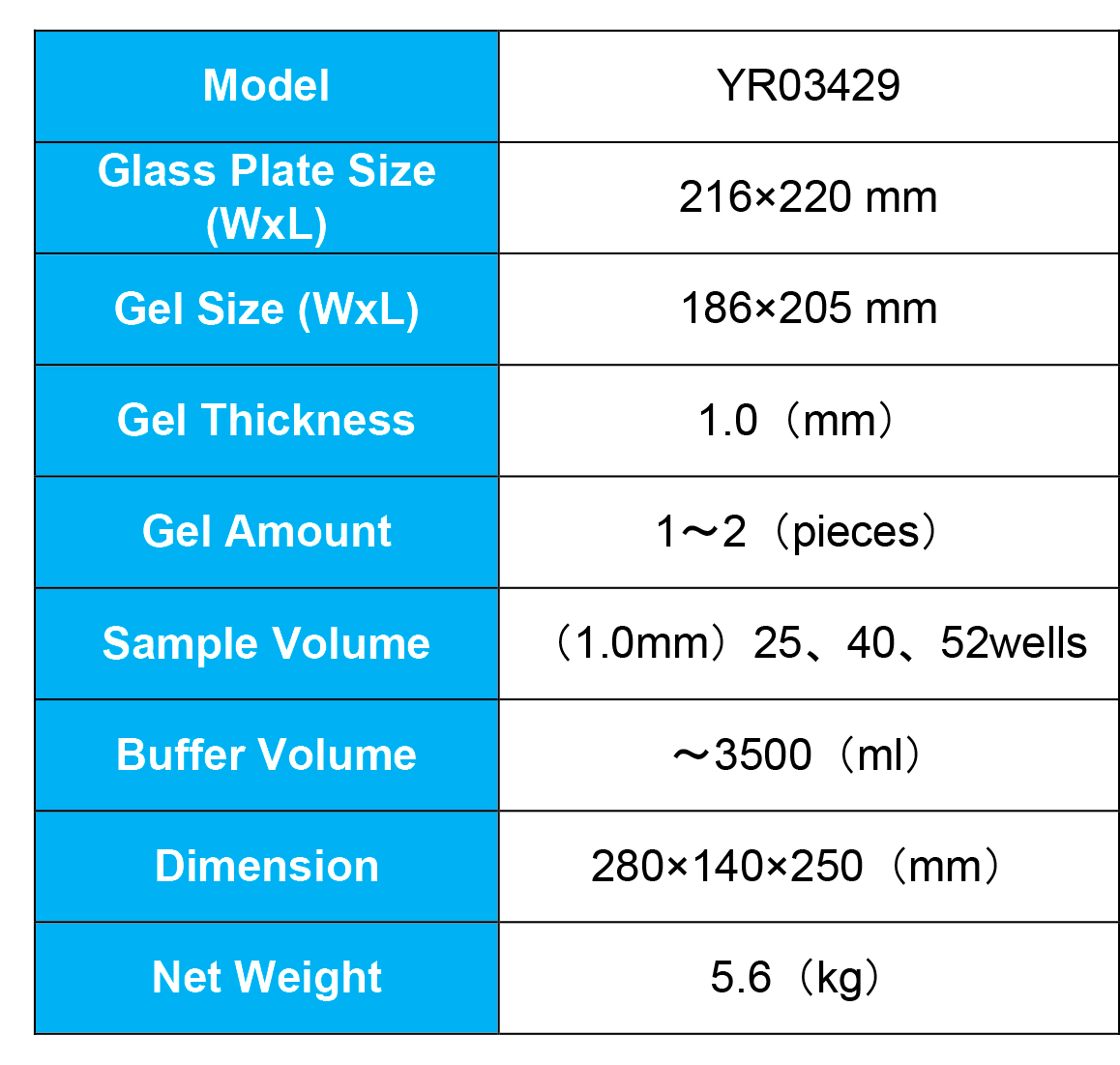
| Model | YR03431 |
| Glass plate size(W×L) | 216×220 mm |
| Gel Size(W×L) | 186×205 mm |
| Gel thickness | 1.0(mm) |
| Gel amount | 1~2(pieces) |
| Sample volume | (1.0mm)25,40,52wells |
| Buffer Volume | ~3500(ml) |
| Dimension(L×W×H) | 280×140×250(mm |
| Net weight | 5.6(kg |
Detailed analysis of electrophoresis for an effective and safe choice
Horizontal and vertical electrophoresis: Differences
Gel electrophoresis is a laboratory technique used in genetics to separate mixtures containing DNA, RNA, and other proteins according to their respective molecular size and charge. The DNA, RNA, or proteins that must be separated in this method are run through a gel that contains small pores. The molecules are driven through the gel by an electric field.
Vertical Electrophoresis Systems Comparison: Kalstein YR03432 vs. Bio-Rad Mini-PROTEAN Tetra Cell
Electrophoresis is a fundamental technique in molecular biology for separating macromolecules like DNA, RNA, or proteins. In this comparison, we will delve into two notable products: the Vertical Electrophoresis Tank YR03432 by Kalstein and the Mini-PROTEAN Tetra Cell by Bio-Rad. Each of these systems offers unique features and functionalities aimed at optimizing your laboratory workflows. The Ka
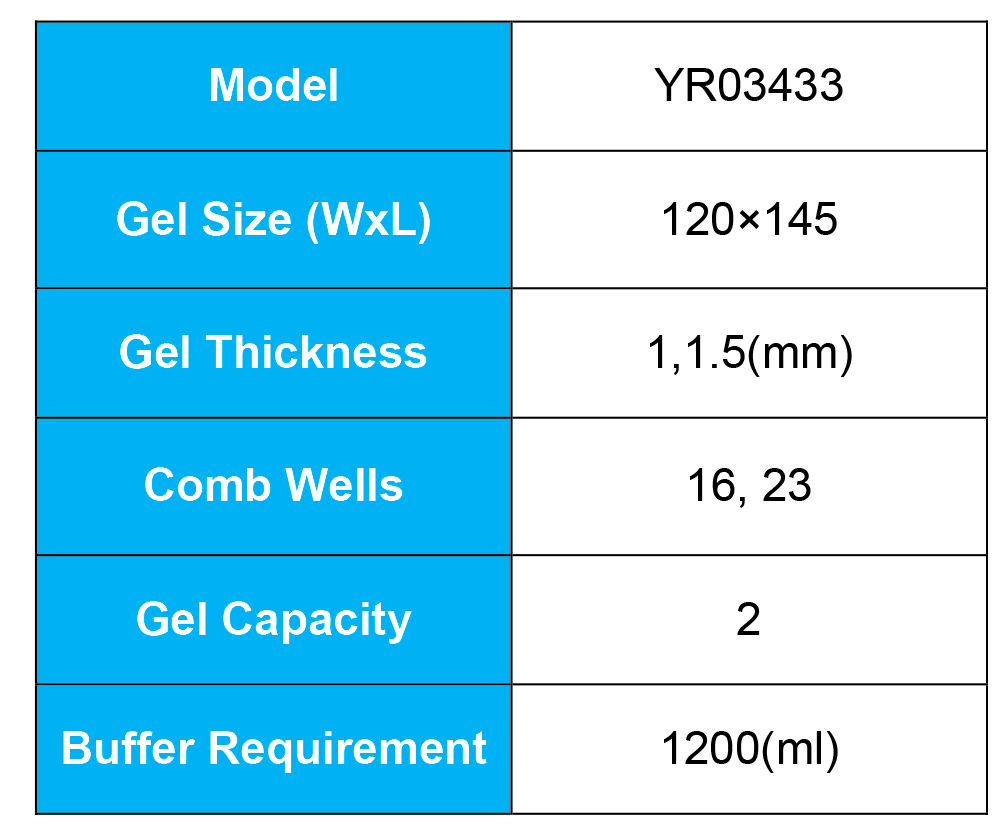
Advanced Comparison: Vertical Electrophoresis Tank YR03433 vs Mini-PROTEAN Tetra Cell
The world of vertical electrophoresis is enriched by two noteworthy products: the Vertical Electrophoresis Tank YR03433 from Kalstein and the Mini-PROTEAN Tetra Cell from Bio-Rad. Both are designed to deliver precise protein separation, catering to the same scientific community yet differing in technology and convenience. Understanding these differences enhances the choice for researchers committe
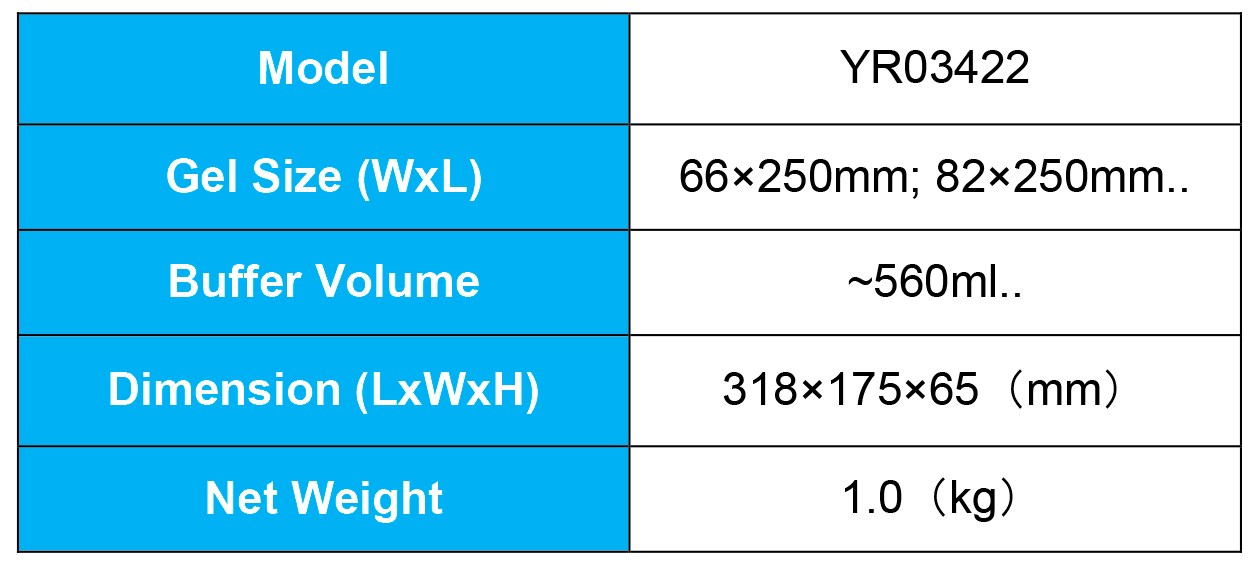
Comprehensive Comparison of Horizontal Electrophoresis Units: Kalstein YR03422 vs. Hoefer HE33 Mini
In the world of laboratory equipment, precision and reliability are crucial. Two horizontal electrophoresis units frequently considered by professionals are the Horizontal Electrophoresis YR03422 from Kalstein and the HE33 Mini Horizontal Electrophoresis Unit by Hoefer. Understanding the characteristics and differences between these units can guide you in selecting the most appropriate equipment f
electrophoresis offer catalog
Horizontal Electrophoresis Cell YR03415
Ver productoRapid SSR Vertical Electrophoresis Tank YR03431
Ver producto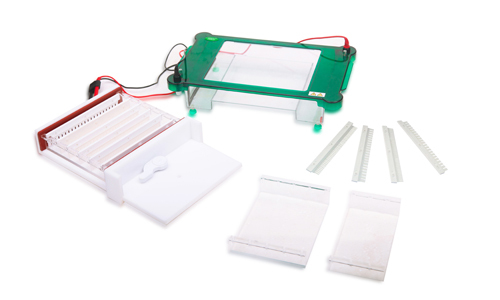
Horizontal Electrophoresis YR03420
Ver producto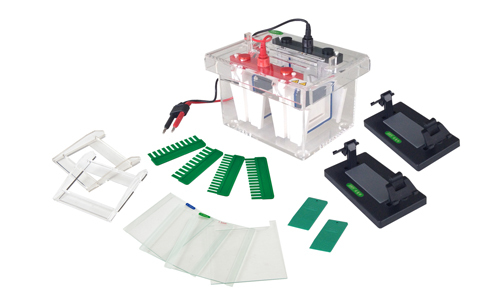
Mini-Protean Vertical Electrophoresis Cell YR03426
Ver producto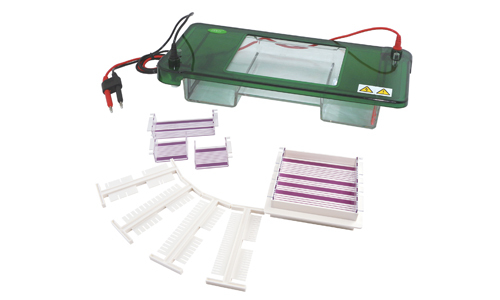
Horizontal Electrophoresis YR03418
Ver producto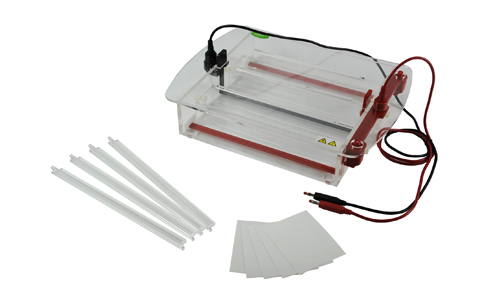
Cellulose Acetate Membrane Horizontal Electrophoresis YR03424
Ver producto
Vertical Gel Electrophoresis Cell YR03429
Ver producto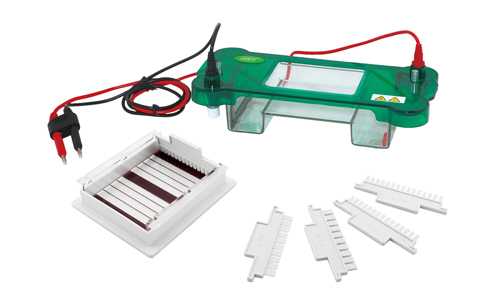
Horizontal Electrophoresis YR03416
Ver productoGuides about electrophoresis
Complete guides to choose electrophoresis
The Fascinating World of Electrophoresis by Kalstein
Electrophoresis, Brand Kalstein When it comes to laboratory equipment, the brand Kalstein is renowned for its quality and innovative designs. In the realm of electrophoresis, Kalstein offers some of the most advanced and reliable equipment
Leer más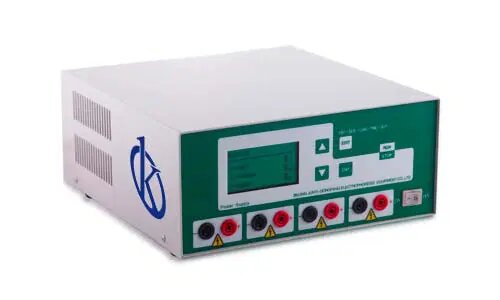
High Performance in Analysis with Power Supplies for Electrophoresis
As someone who has worked extensively with laboratory equipment, I can say that the power supply is essential for any electrophoresis system. This equipment is crucial for providing a constant and controlled current that allows the separati
Leer más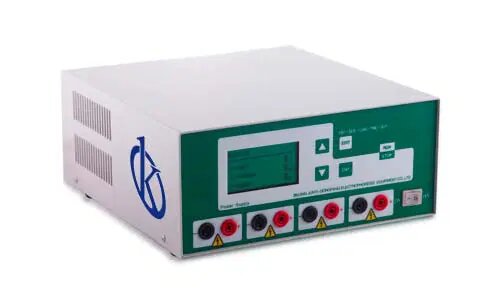
Power Supplies for Electrophoresis: Outstanding Precision and Reliability
Choosing the right power supply is crucial to ensuring precise and reliable results in electrophoresis experiments. As someone who has tested and evaluated various power supplies, I can assure you that investing in a high-quality power supp
Leer más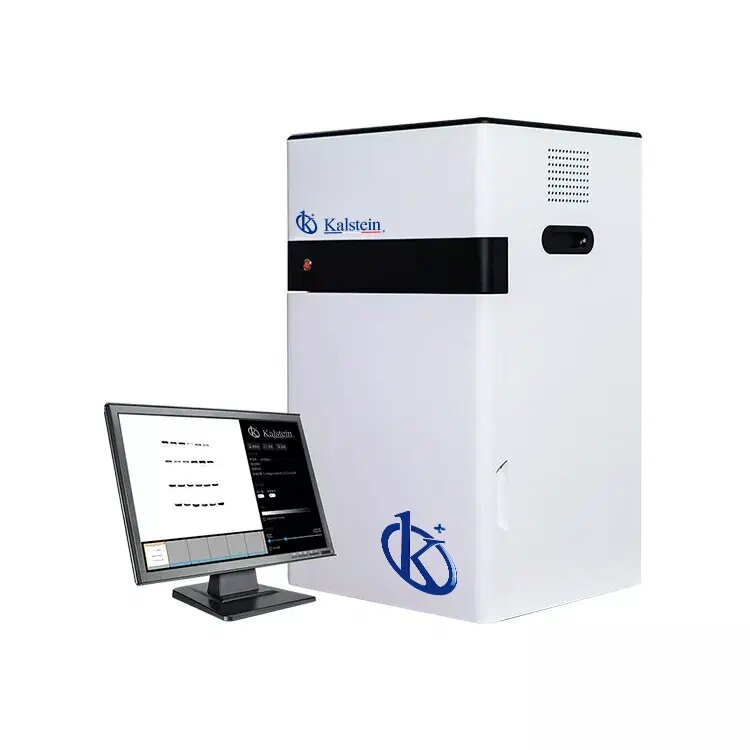
Gel Documentation System: Precision in Electrophoresis Image Capture
Gel documentation systems are essential tools in molecular biology and biochemistry laboratories. These systems allow capturing and analyzing images of electrophoresis gels, a technique commonly used to separate and visualize macromolecules
Leer másFrequently asked questions about Electrophoresis
How to know the prices of Electrophoresis?
To know the price of Electrophoresis, please send us an email with your request through the contact form AQUI.
What are the delivery times for Electrophoresis?
Delivery time depends on stock availability and freight type (air or sea). In stock: air 15-30 days, sea 45-60 days. Out of stock: air 30-60 days, sea 60-90 days.
How to make a purchase of Electrophoresis?
You can buy by email ([email protected]), phone (+33 (0) 1 70 39 26 50) or through the official Kalstein website in your country.
How does the warranty work for Electrophoresis?
All Kalstein equipment comes with a 1-year warranty against manufacturing defects. The warranty does not cover damage from improper installation or misuse. See our «terms and conditions» AQUI.
Can I request a quote online for Electrophoresis?
Yes, you can request a quote for the Kalstein equipment you are interested in directly from our official website. Click AQUI.