Digital BRIX Refractometers: Practical Applications and Techniques 2026
What is it used for in 2026
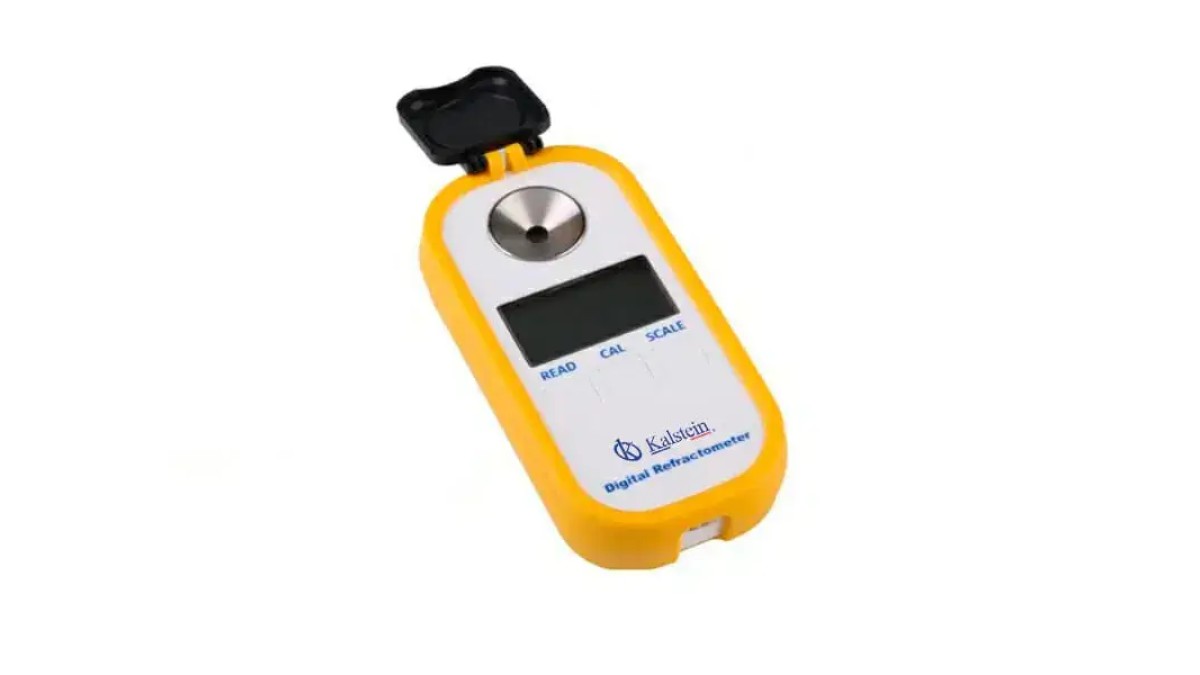
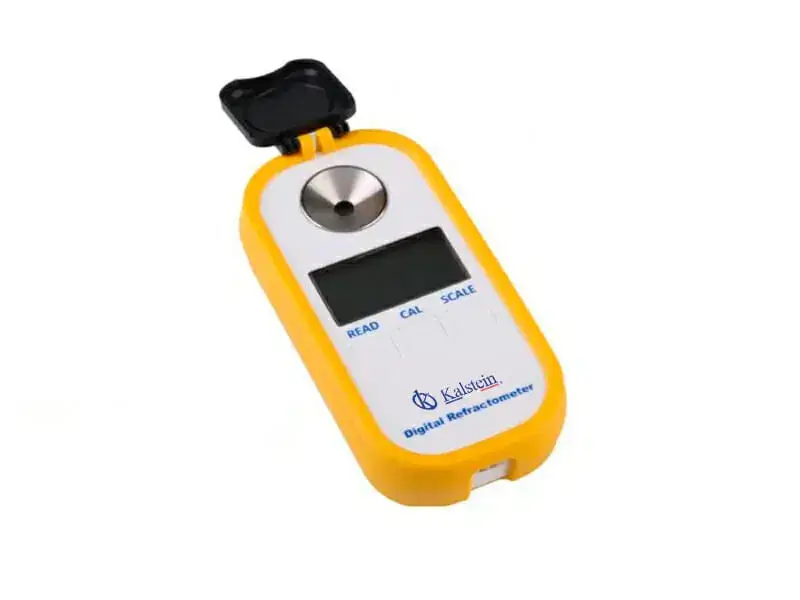
The Digital BRIX Refractometers are essential tools in laboratories for measuring the concentration of soluble solids, particularly sugars, in various aqueous solutions. They are widely utilized in fields such as food science, beverage industry, and agricultural sectors. In 2026, these devices play a crucial role in quality control, product formulation, and research applications.
History and evolution of the technology
The first refractometers were developed in the late 19th century, primarily for use in the wine industry. Over the decades, advancements in technology have led to the development of digital refractometers that offer enhanced accuracy and ease of use. The Digital BRIX Refractometers evolved to provide automatic temperature compensation, improved measurement ranges, and digital displays, making them indispensable tools in modern laboratories.
How to use it step by step
Using a Digital BRIX Refractometer is straightforward. Follow these steps for effective measurement:
- Calibration: Before use, calibrate the device using distilled water to ensure accuracy.
- Sample Preparation: Prepare the sample by ensuring it is well-mixed and at the appropriate temperature.
- Measurement: Place a drop of the sample on the prism and close the cover.
- Read the Value: Wait a few seconds for the reading to stabilize, then note the Brix value displayed on the screen.
- Clean the Device: Clean the prism after each use to prevent cross-contamination.
Best techniques and protocols
To achieve the best results with Digital BRIX Refractometers, adhere to the following techniques:
- Ensure consistent sample temperatures to utilize the automatic temperature compensation effectively.
- Use a clean pipette for sample transfer to prevent contamination.
- Regularly calibrate the instrument to maintain accuracy.
- Perform multiple measurements and take the average for more reliable results.
Practical applications by laboratory type
Digital BRIX Refractometers find applications across various laboratory types, including:
- Food Industry: Used for analyzing sugar content in juices, syrups, and sauces.
- Agricultural Labs: Measurement of sugar levels in crops to determine ripeness.
- Research Institutions: Employed in studies requiring precise measurement of soluble solids.
- Beverage Production: Quality control in breweries and soft drink manufacturing.
Regulations, standards and certifications
In laboratory settings, adherence to industry standards such as ISO and ASTM is crucial when using Digital BRIX Refractometers. These standards ensure that measurements are reliable and reproducible. Equipment must often be calibrated according to these standards to comply with safety and quality regulations.
Comparison with alternative technologies
While Digital BRIX Refractometers are popular, other technologies like hydrometers and spectrophotometers are also used for measuring sugar concentrations. Refractometers offer quick results and are suitable for small sample sizes, while spectrophotometers provide broader analytical capabilities but require more extensive sample preparation.
Comparison of available models
| Model | Best for | Key specs | Recommended use case |
|---|---|---|---|
| YR05944 | Brix measurement in a range of liquids | Brix: 0.0-50.0%, Refractive Index: 1.3330-1.4200 nD | Measuring sugar concentration in fruit juices |
| YR05945 | High sugar content solutions | Brix: 0.0-90.0% | Ideal for syrups and sweet beverages |
| YR05946 | General refractive index measurement | Refractive Index: 1.3330-1.5177 nD | Suitable for various chemical solutions |
| YR05947 | Measuring dextran solutions | Dextran: 0.0-10.6% | Used in laboratory studies on polysaccharides |
| YR05948 | Fructose concentration analysis | Fructose: 0.0-68.9% | Testing sweetness in fruit extracts |
| YR05949 | Glucose measurement | Glucose: 0.0-59.9% | Best for diabetic research and food industry |
Common mistakes and how to avoid them
Laboratory professionals should be aware of common pitfalls when using Digital BRIX Refractometers:
- Inconsistent Temperature: Ensure samples are at the recommended temperature for accurate readings.
- Neglecting Calibration: Regular calibration is essential for maintaining measurement accuracy.
- Improper Cleaning: Always clean the prism after each measurement to avoid contamination.
Maintenance, calibration and good practices 2026
To ensure longevity and accuracy of Digital BRIX Refractometers, follow these maintenance tips:
- Store the refractometer in a protective case when not in use.
- Calibrate the device before each use, especially in a research setting.
- Clean the optical surfaces with soft tissue and appropriate cleaning solutions.
- Regularly check for software updates if the model is equipped with digital features.
Cost-benefit analysis 2026
Investing in Digital BRIX Refractometers can significantly enhance laboratory efficiency. Their precision and ease of use lead to time savings, reduced waste, and improved product quality, justifying the initial investment over time. When weighing cost against benefits, consider factors such as the frequency of use and the critical nature of accurate sugar concentration measurement.
Frequently asked questions
What are the key factors to consider when choosing a Digital BRIX Refractometer?
When selecting a model, consider measurement range, accuracy, automatic temperature compensation, and ease of use in your specific laboratory setting.
How often should I calibrate my refractometer?
Calibration should be performed before each use or whenever the instrument is moved to a different location to ensure accurate measurements.
Can Digital BRIX Refractometers measure other substances besides sugar?
Yes, some models can measure the concentration of other soluble solids and even specific sugars like fructose and glucose.
What maintenance practices should I implement for better performance?
Regular cleaning after each use, proper storage, and timely calibration will significantly enhance the lifespan and performance of the refractometer.
Are there specific standards I need to follow when using a refractometer?
Yes, adhere to relevant industry standards such as ISO and ASTM to ensure compliance and reliability of your measurements.
How can I maximize the accuracy of my measurements?
To achieve optimal results, use distilled water for calibration, maintain consistent sample temperatures, and take multiple readings.
If you are looking for a fusion of innovation and quality, you have come to the right place. At Kalstein, we offer you the luxury of exploring our exclusive catalog of laboratory equipment. We manufacture every device to the highest standards of excellence. Our intuitive and seamless online purchasing channels are designed for your convenience, securing the most competitive prices. Hesitate no longer — we bring science to life, it is time to become part of our community.