How to Ensure Biosecurity Protocols and Operator Safety in Horizontal Autoclaves
In laboratory settings, the role of horizontal autoclaves in maintaining biosecurity protocols and ensuring operator safety cannot be overstated. These devices are essential for sterilizing equipment and materials, which is crucial for preventing contamination and ensuring safe laboratory practices. This article explores various aspects of biosecurity and operator safety, focusing on the features of multiple horizontal autoclave models.
Understanding Biosecurity Protocols in Autoclave Usage
Biosecurity protocols are designed to protect laboratory personnel, the environment, and public health by minimizing the risks associated with pathogenic organisms. When using horizontal autoclaves, adhering to these protocols ensures effective sterilization processes that mitigate contamination risks. Key components of biosecurity include proper training, personal protective equipment (PPE), and routine maintenance of sterilization equipment.
Operator Safety in Laboratory Environments
Operator safety is paramount when working with sterilization equipment like horizontal autoclaves. Operators must be trained to understand the risks associated with autoclave use, including exposure to high temperatures and pressurized steam. PPE such as gloves, goggles, and lab coats should be worn to minimize risks. Additionally, implementing safety protocols, such as ensuring doors are securely locked during operation, is crucial.
Biosecurity Features of Horizontal Autoclave Models
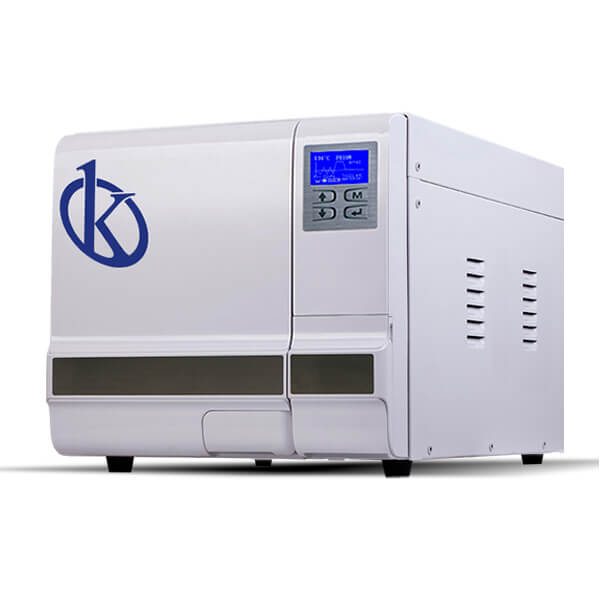
Different models of horizontal autoclaves offer varying features that enhance biosecurity. For instance, the Class B Table Autoclave YR03387 provides triple vacuum pre-treatment, which is essential for efficient sterilization, particularly in the medical and aesthetic sectors. Its compact design allows for easy placement in small settings, promoting both safety and accessibility.
Comparison of Available Models
| Model | Chamber Volume (L) | Best For | Price (USD) |
|---|---|---|---|
| YR03387 | 8 | Small businesses | 750.00 |
| YR03388 | 12 | Aesthetic clinics | 835.00 |
| YR03389 | 18 | Veterinary practices | 900.00 |
| YR03390 | 23 | Laboratories | 1000.00 |
| YR03385C | 29 | Medium-sized labs | 2350.00 |
| YR03385B | 45 | Large labs | 2800.00 |
How to Select the Right Horizontal Autoclave Model
Selecting the appropriate horizontal autoclave is essential for ensuring biosecurity and operator safety. Consider factors such as the type of materials to be sterilized, the volume of usage, and the specific biosecurity protocols required for your laboratory. For example, smaller clinics may find the YR03387 model ideal due to its compact size and efficiency, while larger laboratories might opt for the YR03385B for its higher capacity.
Common Mistakes and How to Avoid Them
A common mistake in autoclave usage is neglecting regular maintenance and calibration. This can lead to ineffective sterilization and increased risk of contamination. Operators should establish a maintenance schedule and adhere to manufacturer guidelines to ensure equipment is functioning optimally. Additionally, failing to properly load autoclaves can compromise sterilization efficacy.
Best Practices for Using Horizontal Autoclaves
Adopting best practices when using horizontal autoclaves enhances biosecurity and operator safety. Ensure that all items are correctly packaged and loaded according to the autoclave's specifications. Monitoring temperature and pressure during the sterilization cycle is also crucial. For instance, the Class B Table Autoclave YR03389 features advanced control mechanisms that help ensure accurate sterilization results.
Regulatory Compliance and Biosecurity Standards
Compliance with biosecurity standards, such as those set by the ISO and local regulations, is critical. Autoclaves must meet specific guidelines to ensure they effectively eliminate pathogens. Models like the YR03390 are designed to comply with European standards EN13060, which regulates the use of sterilization equipment. This compliance is essential to instill confidence in laboratory operations.
Frequently Asked Questions
What are the recommended biosecurity protocols for using horizontal autoclaves?
Recommended biosecurity protocols include proper training for operators, the use of personal protective equipment (PPE), and regular maintenance of equipment like the Class B Table Autoclave YR03387. Following these protocols minimizes contamination risks.
How does operator safety impact the use of horizontal autoclaves?
Operator safety is critical when using horizontal autoclaves as these devices operate at high temperatures and pressures. Ensuring proper training and the use of PPE can significantly reduce risks associated with equipment like the YR03389.
Which horizontal autoclave model is best for small veterinary practices?
The Class B Table Autoclave YR03389 is an excellent choice for small veterinary practices due to its effective sterilization capabilities and compact design, ensuring optimal biosecurity in a limited space.
What maintenance practices should be followed for horizontal autoclaves?
Regular maintenance practices for horizontal autoclaves, such as the YR03390, include routine calibration, cleaning of the chamber, and monitoring of sterilization cycles to ensure compliance with biosecurity standards.
How can I ensure effective sterilization with horizontal autoclaves?
To ensure effective sterilization with horizontal autoclaves like the YR03385C, operators should follow loading protocols, monitor cycle parameters, and conduct regular maintenance checks for optimal performance.
What biosecurity standards must horizontal autoclaves adhere to?
Horizontal autoclaves must adhere to biosecurity standards like EN13060, as seen in the Class B Table Autoclave YR03390, to ensure effective sterilization and safety in laboratory environments.
Which features enhance operator safety in horizontal autoclaves?
Features that enhance operator safety in horizontal autoclaves include automatic door locks, pressure and temperature controls, and safety alarms, which are present in models like the YR03387.
How often should horizontal autoclaves be calibrated?
Horizontal autoclaves, including the Class B Table Autoclave YR03389, should be calibrated regularly, ideally every three to six months, to ensure accurate sterilization and adherence to biosecurity protocols.
If you are looking for a fusion of innovation and quality, you have come to the right place. At Kalstein, we offer you the luxury of exploring our exclusive catalog of laboratory equipment. We manufacture every device to the highest standards of excellence. Our intuitive and seamless online purchasing channels are designed for your convenience, securing the most competitive prices. Hesitate no longer — we bring science to life, it is time to become part of our community.