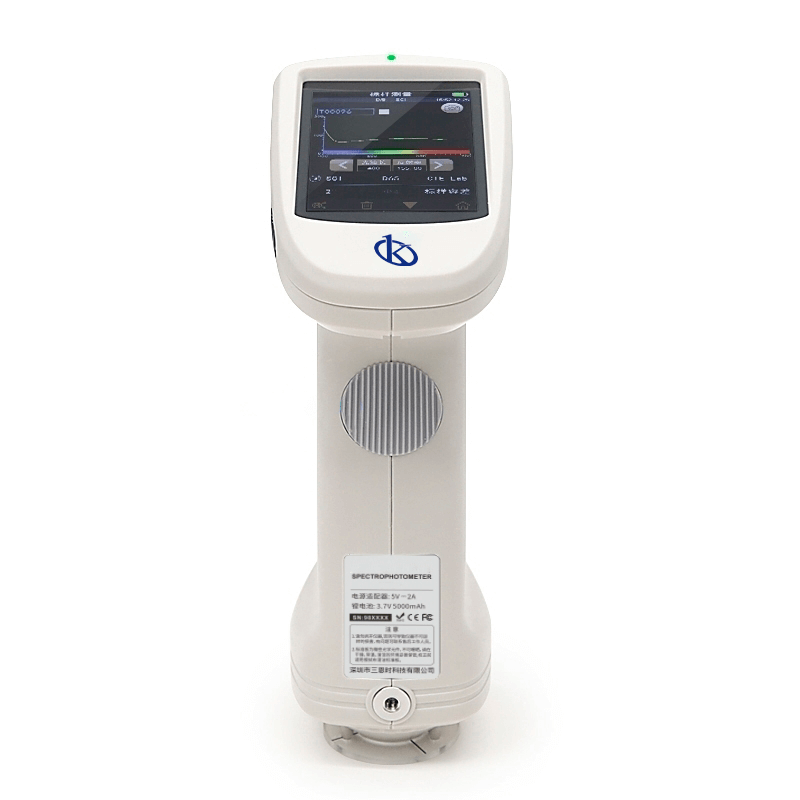
How to Ensure Biosafety and Safe Operator Management with Handheld Spectrophotometers
Handheld spectrophotometers are crucial tools in various laboratory settings for measuring color and ensuring quality control. As laboratories become more complex and regulations stricter, the importance of biosafety protocols and operator safety management cannot be overstated. This article delves into the essential biosafety protocols and operator safety measures relevant to handheld spectrophotometers, focusing on models like YR05493, YR05494, YR05495, YR05496, YR05499, and YR05498.
Understanding Biosafety in Laboratory Settings
Biosafety refers to the practices and procedures that protect laboratory personnel, the environment, and the public from exposure to hazardous materials and pathogens. The application of biosafety protocols is paramount in laboratories where spectrophotometers are used, as these devices might come into contact with various chemical substances and samples.
Importance of Operator Safety Management
Operator safety management involves implementing measures to safeguard users from risks associated with using laboratory equipment. This includes proper training, use of personal protective equipment (PPE), and development of standard operating procedures (SOPs) tailored to the specific tasks associated with handheld spectrophotometers.
Biosafety Levels and Their Relevance to Spectrophotometers
Laboratories are classified into biosafety levels (BSL) 1 through 4, based on the risk of exposure to pathogens. Most handheld spectrophotometers are used in BSL-1 and BSL-2 environments, where the risk of exposure is manageable. Understanding these levels helps in aligning your safety protocols with the device's use to prevent contamination.
Common Biosafety Protocols for Handheld Spectrophotometers
Implementing biosafety protocols is essential for the safe use of handheld spectrophotometers. Here are key protocols to consider:
- Risk Assessment: Conduct a thorough risk assessment for each spectral analysis task, identifying potential hazards associated with samples and reagents.
- Personal Protective Equipment (PPE): Ensure operators are equipped with appropriate PPE, including gloves, lab coats, and safety goggles.
- Decontamination Procedures: Establish clear guidelines for decontaminating the device after each use to prevent cross-contamination.
- Waste Disposal: Implement proper disposal methods for hazardous materials generated during spectrophotometric analysis.
Operator Training and Protocol Development
Training is vital to ensure that operators are familiar with the correct use of handheld spectrophotometers and the associated biosafety protocols. Regular training sessions should focus on the following areas:
- Device Operation: Comprehensive training on how to operate each model, such as the YR05493 or the YR05496, is essential.
- Emergency Procedures: Establish and communicate emergency procedures for accidents or exposure incidents.
- Monitoring Compliance: Regular audits and compliance checks help maintain a culture of safety in the laboratory.
Comparison of Available Models
| Model | Specifications | Best for |
|---|---|---|
| YR05493 | 3 measurement apertures, optical geometry D/8, supports CIE No.15 | Textile and automotive industries |
| YR05494 | 3 measurement apertures, reliable performance, optical geometry D/8 | Quality control in paints and coatings |
| YR05495 | Custom aperture, optical geometry D/8, supports ISO standards | Pharmaceutical and food industries |
| YR05496 | 45/0 optical geometry, advanced color management software | Color matching and management studies |
| YR05499 | 8mm measurement aperture, LED light sources | General laboratory applications |
| YR05498 | 8mm measurement aperture, multiple color spaces | Advanced research and development |
Common Mistakes and How to Avoid Them
When using handheld spectrophotometers, several common mistakes can compromise safety and quality. To avoid these, consider the following:
- Improper Calibration: Ensure regular calibration of devices such as YR05493 and YR05496 to maintain accuracy.
- Neglecting PPE: Always wear appropriate PPE to protect against chemical exposure.
- Inadequate Training: Provide comprehensive training and refreshers to keep operators informed about best practices.
Frequently Asked Questions
What are the biosafety protocols for using handheld spectrophotometers in laboratories?
Implementing biosafety protocols such as risk assessments, proper PPE usage, and decontamination procedures is crucial when using handheld spectrophotometers like YR05493. These protocols help minimize exposure to hazardous materials and ensure laboratory safety.
How can operator safety be managed with handheld spectrophotometers?
Operator safety can be managed by providing training on device operation, establishing SOPs, and ensuring the use of PPE. Modeling safety measures around devices like YR05494 ensures compliance with biosafety standards.
Which handheld spectrophotometer is best for quality control in the food industry?
The YR05495 is particularly effective for quality control in the food industry due to its precise measurement capabilities and compliance with ISO standards. It ensures that color measurements are reliable for product quality assessment.
What is the significance of using PPE with handheld spectrophotometers?
Using PPE while operating handheld spectrophotometers like the YR05496 is essential to protect operators from potential chemical exposure and contamination, thus maintaining a safe working environment.
How does training affect the safe use of handheld spectrophotometers?
Training is vital as it ensures operators understand how to use devices like the YR05499 safely and effectively, helping to prevent accidents and ensure compliance with biosafety protocols.
What are the common calibration mistakes with handheld spectrophotometers?
Common calibration mistakes include infrequent calibration and failure to follow manufacturer guidelines. Regular calibration of models such as YR05498 is crucial for maintaining measurement accuracy and reliability.
How can risk assessments improve laboratory safety when using spectrophotometers?
Conducting risk assessments before using handheld spectrophotometers, such as YR05493, helps identify potential hazards, allowing for the implementation of effective biosafety protocols to protect laboratory personnel.
What are the best practices for decontaminating handheld spectrophotometers?
Best practices include using appropriate disinfectants after each use, ensuring that models like YR05494 are cleaned according to established procedures to prevent contamination and ensure reliable results.
If you are looking for a fusion of innovation and quality, you have come to the right place. At Kalstein, we offer you the luxury of exploring our exclusive catalog of laboratory equipment. We manufacture every device to the highest standards of excellence. Our intuitive and seamless online purchasing channels are designed for your convenience, securing the most competitive prices. Hesitate no longer — we bring science to life, it is time to become part of our community.