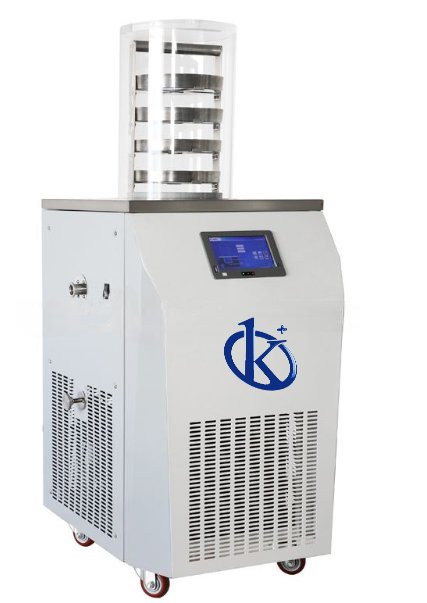
How to Ensure Biosafety and Operator Safety with Vertical Laboratory Freeze Dryers
In laboratory settings, ensuring biosafety and protecting operators are fundamental responsibilities. Vertical Laboratory Freeze Dryers are widely utilized in various applications, such as pharmaceuticals, biological research, and food preservation. However, the complex processes involved in lyophilization necessitate strict adherence to biosafety protocols. This article delves into the essential biosafety measures and operator safety strategies relevant to Vertical Laboratory Freeze Dryers, ensuring compliance and efficiency in laboratory operations.
Biosafety Protocols in Laboratory Freeze Drying
When using Vertical Laboratory Freeze Dryers, biosafety protocols must be established to mitigate risks associated with handling biological materials. Laboratories must operate under appropriate biosafety levels (BSL), which dictate the necessary containment measures. For instance, BSL-2 practices are often followed when working with pathogens that pose a moderate threat to personnel. Key protocols include using personal protective equipment (PPE) like gloves and masks, implementing proper waste disposal methods, and ensuring equipment maintenance to prevent leaks or contamination.
Understanding BSL Levels for Freeze Drying
The classification of BSL levels plays a pivotal role in determining the required safety measures when using Vertical Laboratory Freeze Dryers. For example, BSL-1 applies to agents that pose minimal risk, while BSL-4 mandates maximum containment for dangerous pathogens. Choosing the right freeze dryer, such as the YR05198 model, can aid in achieving compliance with these standards by integrating safety features like automatic shut-off and leak detection.
Operator Safety Measures When Using Freeze Dryers
Operator safety is paramount when working with laboratory equipment. Adopting specific measures can significantly reduce the potential for accidents or exposure to hazardous materials. Training operators on correct equipment usage, implementing emergency protocols, and conducting regular safety drills are essential. Moreover, ensuring that the work area is well-ventilated and free from clutter can further enhance operator safety during the lyophilization process.
Importance of PPE for Laboratory Operators
Personal protective equipment (PPE) is crucial for maintaining safety in laboratories that utilize Vertical Laboratory Freeze Dryers. PPE such as lab coats, gloves, and eye protection shields the operator from direct exposure to hazardous materials. It is important to select the appropriate PPE based on the type of substances being processed. For example, when utilizing the YR05201 model, operators should ensure they wear high-grade gloves to prevent contact with potentially harmful biological samples.
Common Biosafety Risks and Mitigation Strategies
Common risks associated with the use of Vertical Laboratory Freeze Dryers include contamination from aerosols, spills, and improper handling of biohazardous materials. To mitigate these risks, laboratories should develop comprehensive risk assessment matrices and decontamination protocols. This includes regular maintenance of the freeze dryer to ensure it operates correctly and does not pose a risk of contamination to samples or operators.
Creating a Decontamination Protocol
Establishing a decontamination protocol is essential for maintaining a safe laboratory environment. This protocol should include steps for cleaning the workspace, disinfecting surfaces, and proper disposal methods for contaminated materials. For instance, operators utilizing the YR05985-2 freeze dryer should incorporate a cleaning schedule that aligns with the specific requirements of the materials being processed.
Comparison of Available Models
| Model | Specifications | Best for |
|---|---|---|
| YR05198 | 0.18m²/0.27m² freeze area; -40 ~ +60°C temperature range | Routine lyophilization in small labs |
| YR05199 | 0.09m² freeze area; 6 kg/24h water absorption | Sample preservation in medium labs |
| YR05200 | 0.18m²/0.27m² freeze area; ≤ 5pa vacuum level | Biological and pharmaceutical applications |
| YR05201 | 0.18m²/0.27m² freeze area; 1800w power | Advanced research applications |
| YR05985-1 | 0.7m² freeze area; -55°C ~ +70°C temperature range | Fruits and vegetables lyophilization |
| YR05985-2 | 1.04m² freeze area; 15 kg/24h water absorption | High-volume production and processing |
Common Mistakes and How to Avoid Them
In the operation of Vertical Laboratory Freeze Dryers, common mistakes can lead to compromised safety and efficiency. One frequent oversight is neglecting routine maintenance, which can result in equipment malfunction or contamination. Additionally, failing to properly train operators on safety protocols can increase accident risks. To avoid these issues, laboratories should implement comprehensive training programs and maintenance schedules to ensure all equipment remains in optimal condition.
Frequently Asked Questions
What biosafety level is required when using a Vertical Laboratory Freeze Dryer?
The required biosafety level when using a Vertical Laboratory Freeze Dryer depends on the materials being processed. For most laboratory settings, BSL-2 is appropriate, especially when handling pathogenic microorganisms. Models like YR05198 can help maintain compliance through their safety features.
How can operator safety be ensured with freeze dryers in labs?
Operator safety can be ensured by providing adequate training, proper PPE, and establishing emergency protocols. Using models such as YR05200, with built-in safety mechanisms, can also enhance operator protection during the freeze drying process.
What are common contaminants encountered when using freeze dryers?
Common contaminants when using freeze dryers include aerosols from biological samples and spills during loading. Implementing strict decontamination protocols and using models like YR05985-1 can help mitigate these risks.
How often should maintenance be performed on freeze dryers for biosafety?
Maintenance of freeze dryers should be performed regularly, ideally monthly, to ensure optimal performance and biosafety. Models such as YR05199 require routine checks to prevent contamination and ensure compliance with safety standards.
What training is necessary for operators of Vertical Laboratory Freeze Dryers?
Operators should undergo training on equipment handling, emergency response, and biosafety protocols. Training should be tailored to the specific model used, such as the YR05201, to address its unique features and safety requirements.
Which types of freeze dryers are best for high-volume production?
For high-volume production, models like YR05985-2 are optimal due to their larger freeze area and higher water absorption capacity. They are designed for efficient processing of large quantities of materials.
How do I ensure compliance with regulatory standards when using freeze dryers?
Ensuring compliance involves understanding applicable regulations, implementing biosafety measures, and regularly documenting processes. Models like YR05200 can assist in meeting these standards through their built-in compliance features.
What are effective decontamination protocols for laboratory freeze dryers?
Effective decontamination protocols include routine cleaning of surfaces, using appropriate disinfectants, and ensuring proper disposal of biohazardous wastes. Utilizing models such as YR05198 can help streamline these processes.
If you are looking for a fusion of innovation and quality, you have come to the right place. At Kalstein, we offer you the luxury of exploring our exclusive catalog of laboratory equipment. We manufacture every device to the highest standards of excellence. Our intuitive and seamless online purchasing channels are designed for your convenience, securing the most competitive prices. Hesitate no longer — we bring science to life, it is time to become part of our community.