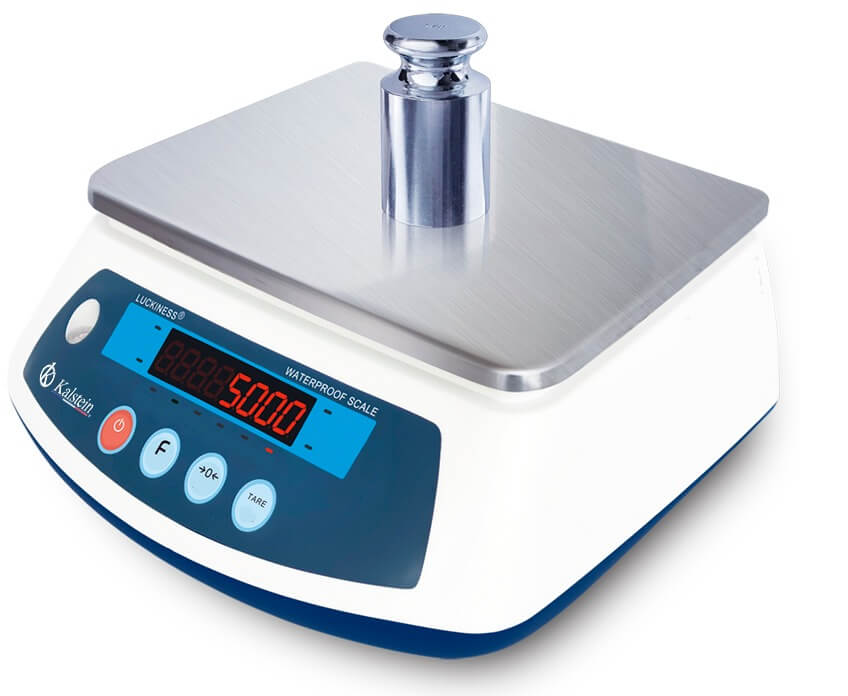
Waterproof Balances: Best Practices and Techniques in 2026
What is it used for in 2026
Waterproof balances play a crucial role in various laboratory settings, particularly where moisture or hazardous materials are present. In 2026, these balances are utilized in fields such as pharmaceuticals, food testing, chemical analysis, and environmental monitoring. Their design ensures accurate measurements, even in challenging environments, making them indispensable for laboratory professionals.
History and evolution of the technology
The concept of waterproof balances emerged from the need for precision in environments that are prone to spills or contamination. Initially, balances were vulnerable to moisture, leading to inaccurate readings and equipment damage. Over the years, advancements in technology have led to the development of fully waterproof models, with certifications such as IP68 ensuring they can withstand submersion in water without compromising functionality. These innovations have transformed laboratory practices, enabling higher standards of safety and accuracy.
How to use it step by step
Using a waterproof balance involves several steps to ensure accurate results:
- Preparation: Ensure the balance is clean and free from debris. Check the battery level if it is battery-operated.
- Calibration: Calibrate the balance according to the manufacturer's instructions to ensure accuracy.
- Setup: Place the balance on a stable surface away from drafts and vibrations.
- Activation: Turn on the balance and allow it to warm up if necessary.
- Taring: Place the container or weigh boat on the balance and tare it to zero before adding the sample.
- Weighing: Slowly add the sample and record the weight once stable.
- Cleanup: After use, clean the balance according to the manufacturer's guidelines.
Best techniques and protocols
To maximize the effectiveness of waterproof balances, follow these best techniques:
- Always use a draft shield if available to minimize air movement effects.
- Perform regular calibration checks to maintain accuracy.
- Utilize the tare function to eliminate container weight from measurements.
- Ensure the balance is leveled correctly before use, as it can affect readings.
- Utilize appropriate containers that are also waterproof to prevent contamination.
Practical applications by laboratory type
Waterproof balances are utilized across various laboratory types:
- Pharmaceuticals: Accurately measure active ingredients in wet environments.
- Food Industry: Weigh ingredients in production processes where spills are common.
- Chemical Laboratories: Handle corrosive materials without fear of damaging the balance.
- Environmental Testing: Weigh samples from fieldwork directly without external contamination.
Regulations, standards and certifications
In 2026, waterproof balances must adhere to strict regulations and standards to ensure reliability and safety. Certifications such as IP68 indicate that a balance is fully protected against dust ingress and can withstand submersion in water. Additionally, balances should meet CE, RoHS, and LFGB standards for laboratory use. It is essential for laboratories to remain compliant with these certifications to ensure the validity of their results.
Comparison with alternative technologies
When compared to traditional balances, waterproof balances offer distinct advantages:
- Durability: Waterproof models resist spills and are easier to clean.
- Versatility: They can be used in various applications that would damage standard balances.
- Accuracy: Advanced sensors in waterproof balances provide precise measurements even in adverse conditions.
Comparison of available models
| Model | Best for | Key specs | Recommended use case |
|---|---|---|---|
| YR05623 | General laboratory use | 3 kg/0.1 g | Weighing samples in controlled environments |
| YR05624 | Food industry applications | 3 kg/0.5 g | Ingredient measurement in food processing |
| YR05625 | Chemical analysis | 6 kg/1 g | Handling and weighing chemicals |
| YR05626 | Environmental testing | 7.5 kg/1 g | Weighing samples from fieldwork |
| YR05627 | Heavy sample weighing | 15 kg/5 g | Weighing larger samples safely |
| YR05628 | Large volume applications | 30 kg/5 g | Industrial weighing tasks |
Common mistakes and how to avoid them
Laboratory professionals often make mistakes when using waterproof balances. Common issues include:
- Neglecting calibration checks — always calibrate before use.
- Improper cleaning techniques — use recommended cleaning materials to avoid damage.
- Ignoring environmental factors — ensure balance placement is stable and away from drafts.
- Using incorrect containers — always use waterproof weigh boats or containers.
Maintenance, calibration and good practices 2026
Regular maintenance ensures the longevity of waterproof balances. Follow these good practices:
- Perform routine calibrations according to the manufacturer's guidelines.
- Clean the balance after every use to prevent contamination.
- Store in a dry, stable environment when not in use.
- Check for software updates regularly to enhance performance.
Cost-benefit analysis 2026
In 2026, the investment in waterproof balances can lead to significant long-term savings through enhanced productivity and reduced equipment damages. While initial costs may be higher than traditional balances, the durability and reliability of waterproof models result in fewer replacements and repairs, ultimately providing a favorable cost-benefit ratio for laboratories.
Frequently asked questions
What features should I look for in a waterproof balance?
When selecting a waterproof balance, consider features such as IP68 certification, accuracy specifications, battery life, and ease of cleaning. These elements will ensure that the balance meets your laboratory's specific needs.
Can I use waterproof balances in corrosive environments?
Yes, waterproof balances are designed to withstand spills and can be used in corrosive environments. However, ensure the model is specifically rated for such applications to avoid damage.
How often should I calibrate my waterproof balance?
Calibration should be performed before each use and at regular intervals, depending on usage frequency. Following the manufacturer's recommendations will ensure consistent accuracy.
What is the best way to clean a waterproof balance?
Use a soft cloth and appropriate cleaning solution recommended by the manufacturer. Avoid abrasive materials that might scratch the surface or damage the electronics.
Are waterproof balances expensive compared to regular balances?
While waterproof balances may have a higher upfront cost, their durability and reliability can lead to lower long-term costs due to reduced maintenance and replacement needs.
How do I choose the right waterproof balance for my needs?
Assess your specific laboratory requirements, including capacity range, readability, and application type. Comparing models based on these criteria will help you select the most suitable balance.
If you are looking for a fusion of innovation and quality, you have come to the right place. At Kalstein, we offer you the luxury of exploring our exclusive catalog of laboratory equipment. We manufacture every device to the highest standards of excellence. Our intuitive and seamless online purchasing channels are designed for your convenience, securing the most competitive prices. Hesitate no longer — we bring science to life, it is time to become part of our community.