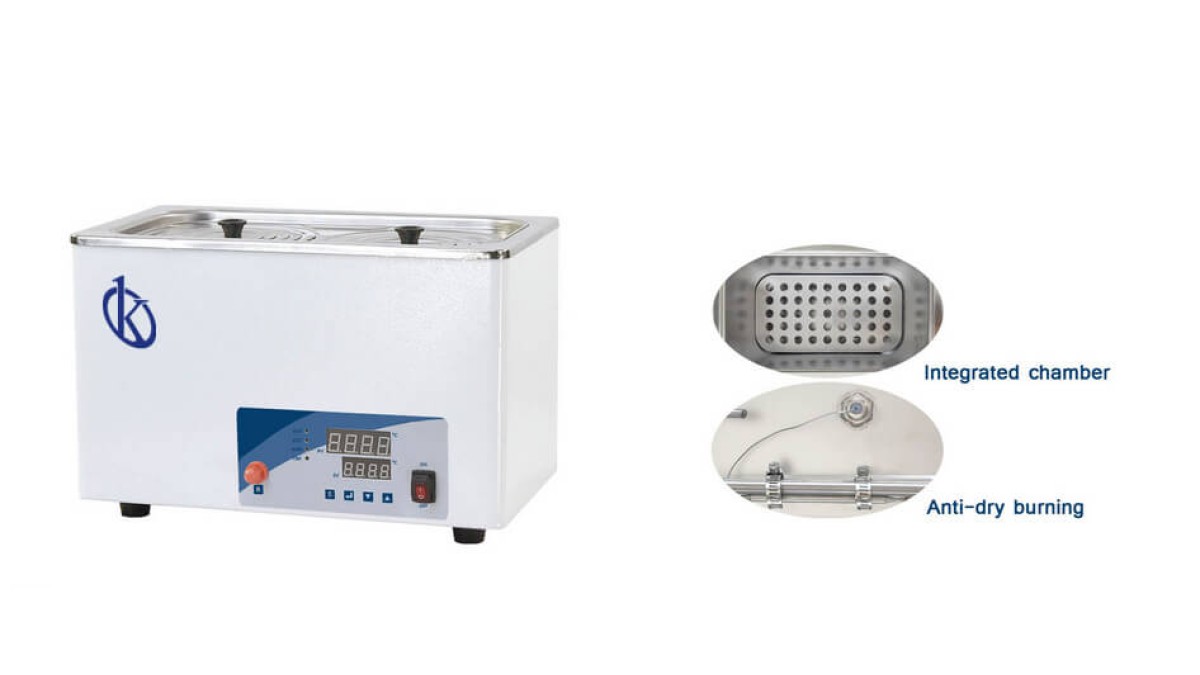

Water Baths: Practical Applications and Techniques 2026
Water baths are essential tools in laboratory settings, widely used for heating, incubation, and other practical applications in clinical and hospital laboratories. As we move into 2026, understanding their effective utilization is paramount for laboratory professionals. This article delves into the applications, best practices, and the evolution of water bath technology.
What is it used for in 2026
In 2026, water baths are employed for various applications including:
- Incubation of samples at specific temperatures.
- Heating substances uniformly.
- Maintaining temperature during chemical reactions.
- Facilitating enzyme reactions.
- Conducting experiments in biochemistry and molecular biology.
History and evolution of the technology
The evolution of water baths began with simple heating techniques. Early designs were rudimentary, primarily using metal containers over flames. Over time, advancements led to the introduction of PID (Proportional-Integral-Derivative) controllers, providing precise temperature control. Currently, modern water baths integrate advanced features like digital displays, timers, and safety mechanisms, enhancing their usability in laboratories.
How to use it step by step
Using a water bath effectively involves the following steps:
- Preparation: Ensure the water bath is cleaned and set to the desired temperature.
- Filling: Fill the bath with distilled water to the recommended level, avoiding overflow.
- Temperature Setting: Adjust the temperature using the control panel, considering the specific requirements of your samples.
- Time Setting: Set a timer if required for specific incubation periods.
- Loading Samples: Carefully place samples in containers and submerge them in the bath.
- Monitoring: Regularly check temperature and liquid level to ensure consistency.
- Post-Use Cleaning: After usage, clean the bath to avoid contamination.
Best techniques and protocols
Adhering to best practices enhances the performance of water baths. Key techniques include:
- Using calibrated thermometers to verify temperature accuracy.
- Employing water level indicators to maintain appropriate liquid levels.
- Regularly cleaning the water bath to prevent biological contamination.
- Utilizing suitable containers that allow uniform heat transfer.
- Documenting parameters for reproducibility in experiments.
Practical applications by laboratory type
Water baths find diverse applications across various laboratory types:
Clinical Laboratories
Used for enzyme assays, blood sample warming, and incubation of cultures.
Research Laboratories
Facilitating biochemical experiments, sample preparation, and DNA amplification processes.
Quality Control Laboratories
Testing the stability of products at controlled temperatures.
Regulations, standards and certifications
Laboratories using water baths must comply with regulations set forth by organizations such as:
- ISO (International Organization for Standardization)
- GLP (Good Laboratory Practice)
- FDA (Food and Drug Administration)
- NIH (National Institutes of Health)
These standards ensure that equipment functions safely and reliably, adhering to best practices in laboratory management.
Comparison with alternative technologies
When comparing water baths to alternative technologies, consider:
- Ovens: Ovens heat samples from all sides but lack the immersion aspect that guarantees uniform heating.
- Heating Blocks: More portable but often limited to specific container types and sizes.
- Incubators: Provide stable environments but may not offer the same rapid heating capabilities as water baths.
Comparison of available models
| Model | Best for | Key specs | Recommended use case |
|---|---|---|---|
| YR05073 | General laboratory use | PID control, 0-1 °C precision, 999 minutes timer | Heating samples and incubation |
| YR05074 | Versatile use | PID control, 0-1 °C precision, 999 minutes timer | Heating and incubating diverse samples |
| YR030L | Shaking applications | Temperature range RT-100°C, LCD control | Biochemical assays and cell culture |
| YR05001 | Chemical reactor support | -35-200 °C, digital control | Temperature control in chemical reactions |
| YR05002 | Chemical reactor support | -35-200 °C, digital control | Temperature control in chemical reactions |
| YR05003 | Chemical reactor support | -35-200 °C, digital control | Temperature control in chemical reactions |
Common mistakes and how to avoid them
Laboratory professionals often make mistakes when using water baths. Common errors include:
- Overfilling: Can lead to spills and contamination; always follow recommended levels.
- Inadequate cleaning: Can cause cross-contamination; ensure thorough cleaning after each use.
- Ignoring temperature calibration: Affects experiment accuracy; regularly calibrate using reliable methods.
- Using inappropriate containers: Can lead to uneven heating; always use compatible vessels.
Maintenance, calibration and good practices 2026
To maintain optimal performance of water baths:
- Perform routine cleaning and descaling regularly.
- Calibrate temperature settings bi-annually using standard methods.
- Check seals and connections for wear and tear.
- Document and log all maintenance activities for compliance tracking.
Cost-benefit analysis 2026
Investing in water baths provides numerous benefits:
- Increased efficiency: Faster processing times enhance workflow.
- Versatility: Applicable across various laboratory settings.
- Reliability: Modern models offer accurate and consistent temperature control.
- Cost-effectiveness: Long-term use justifies the initial investment, especially in high-throughput environments.
Frequently asked questions
What is the most important factor when selecting a water bath?
The most important factor is the temperature range and control accuracy, as it directly affects the experiments and results.
How often should I clean my water bath?
It is recommended to clean your water bath after every use to prevent contamination and maintain hygiene.
Can water baths be used for all types of samples?
While water baths are versatile, it is essential to check compatibility with specific samples and container types to ensure optimal results.
How do I calibrate a water bath accurately?
Calibration can be performed using a certified thermometer to verify temperature settings against known standards.
What are the safety precautions to consider when using a water bath?
Always ensure the bath is filled to the appropriate level, monitor temperature settings, and avoid touching heated surfaces directly.
What should I do if my water bath is not maintaining temperature?
If the water bath is not maintaining the desired temperature, check for malfunctioning heating elements or controller issues and consider professional maintenance.
Where can I find reliable water baths for my laboratory?
For quality water baths, consider reaching out for a quote on a reputable provider like Kalstein, which offers a variety of reliable models.
If you are looking for a fusion of innovation and quality, you have come to the right place. At Kalstein, we offer you the luxury of exploring our exclusive catalog of laboratory equipment. We manufacture every device to the highest standards of excellence. Our intuitive and seamless online purchasing channels are designed for your convenience, securing the most competitive prices. Hesitate no longer — we bring science to life, it is time to become part of our community.