Veterinary Surgical Tools: A Practical Step-by-Step Guide in 2026
Veterinary surgical tools have evolved significantly, enhancing the capabilities and safety of veterinary procedures. This guide provides a comprehensive overview of various models, their applications, and best practices for use in 2026.
What is it used for in 2026
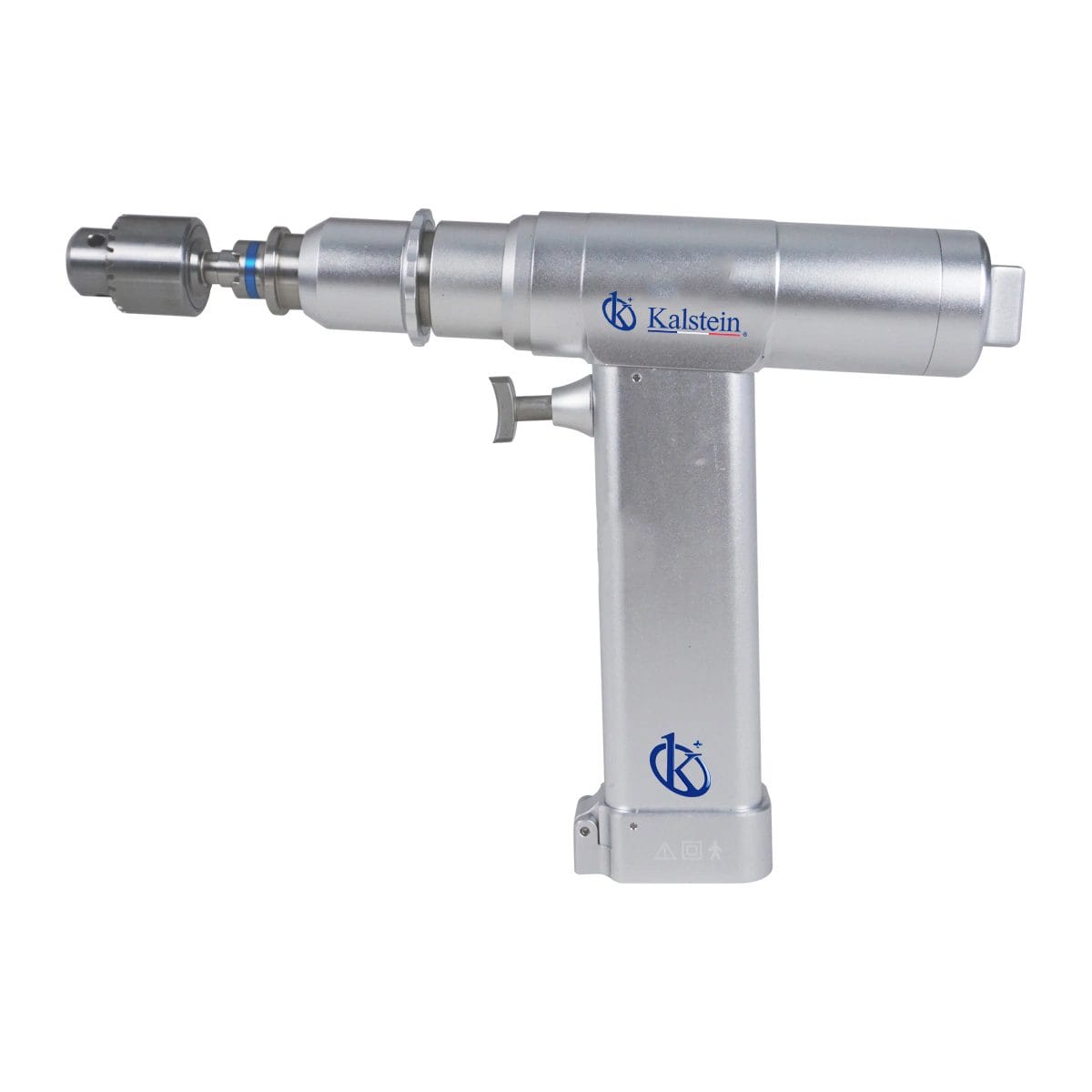
In 2026, veterinary surgical tools are essential for a wide range of applications, including orthopedic surgery, soft tissue surgery, and emergency procedures. Tools like the Electric Multifunction Tool for Veterinary Surgery YR06126 allow for rapid changes in adapters, making them versatile for joint surgeries and neuro surgeries.
The Micro/Mini Multifunctional Veterinary Tool for Small Animals YR06127 is particularly useful for delicate procedures on small animal patients, providing precision and ease of use. The Veterinary TPLO Saw YR06128 is specialized for TPLO surgeries, which are critical for stabilizing the knee joint in dogs after ligament injuries.
History and evolution of the technology
The development of veterinary surgical tools has a rich history, beginning with basic hand instruments. Over time, technological advancements have integrated electric and multifunctional capabilities into surgical tools, which has vastly improved efficiency and outcomes in veterinary practices.
In the past decades, the transition from manual to electric tools has allowed for greater precision, reduced operation times, and improved patient safety. Innovations such as ergonomic designs and rapid adapter systems have dramatically enhanced the usability of these tools in the field.
How to use it step by step
Using veterinary surgical tools requires understanding the specific functions of each device. Here’s a step-by-step guide:
- Familiarization: Before using any tool, read the manual thoroughly to understand its components and functions.
- Preparation: Ensure all tools are sterilized and ready for use. Set up your operating area to have everything within reach.
- Tool Assembly: For tools with interchangeable parts, select the appropriate adapter based on the procedure and securely attach it.
- Testing: Conduct a functionality test to ensure the tool operates correctly. Check battery levels and ensure there are no malfunctions.
- Procedure Execution: Follow the surgical protocol for the procedure, using the tool as required. Ensure continuous monitoring of the patient’s vital signs.
- Post-Operation: After surgery, clean and sterilize all tools. Document any observations or issues encountered during the procedure.
Best techniques and protocols
Implementing the best techniques and protocols is crucial for successful surgeries:
- Preparation Protocol: Always ensure that the surgical site is properly prepared, and the patient is stabilized.
- Surgical Technique: Utilize the proper technique based on the tool being used. For instance, the oscillating saw should be used with controlled pressure to avoid overheating.
- Post-Op Care: Follow the best practices for post-operative care to minimize complications and ensure patient recovery.
Practical applications by laboratory type
Different veterinary labs may utilize surgical tools in various ways:
- Small Animal Clinics: Frequently use the Micro/Mini Multifunctional Tool for delicate procedures on small animals.
- Emergency Veterinary Services: Rely on tools like the Electric Multifunction Tool for quick responses in critical situations.
- Orthopedic Specialty Clinics: Utilize the Veterinary TPLO Saw for precise osteotomies in orthopedic surgeries.
Regulations, standards and certifications
In 2026, veterinary tools must adhere to strict regulations to ensure safety and efficacy in surgical procedures. Various organizations provide guidelines and certifications for manufacturing standards.
Tools like those from Kalstein are likely certified to meet industry standards concerning safety, performance, and environmental impact, ensuring they are suitable for their intended purposes.
Comparison with alternative technologies
When comparing veterinary surgical tools with alternative technologies, consider factors such as efficiency, precision, and ease of use. Electric tools offer significant advantages over manual ones, including reduced physical strain on the veterinarian and enhanced precision.
While traditional tools may still see usage in some facilities, the trend is shifting towards more advanced, multifunctional options that cater to the diverse needs of veterinary practices.
Comparison of available models
| Model | Best for | Key specs | Recommended use case |
|---|---|---|---|
| YR06126 | Joint and neuro surgeries | 14.4V, ≥130W | Comprehensive surgeries requiring versatility |
| YR06127 | Small animal surgery | 7.2V, ≥50W | Delicate procedures on small animals |
| YR06128 | TPLO surgeries | 12V, 0-16000 Hz | Stabilizing knee joints in dogs |
Common mistakes and how to avoid them
Practicing proper techniques is essential to avoid common pitfalls:
- Inadequate preparation: Always ensure tools are sterilized and the patient is stable before surgery.
- Improper tool usage: Familiarize yourself with each tool’s function to prevent misuse.
- Neglecting post-op care: Ensure thorough follow-up care to avoid complications.
Maintenance, calibration and good practices 2026
Proper maintenance and calibration are crucial for ensuring the longevity and efficiency of veterinary surgical tools:
- Regular Cleaning: Ensure all tools are cleaned and sterilized after use.
- Calibration: Regularly check and calibrate tools to ensure they are functioning correctly.
- Storage: Store tools in a safe, organized manner to prevent damage.
Cost-benefit analysis 2026
Investing in high-quality veterinary surgical tools can result in significant long-term benefits, including:
- Increased efficiency: Electric tools can reduce operation times, allowing for more procedures.
- Improved patient outcomes: The precision offered by advanced tools can lead to better recovery rates.
- Cost savings: While the initial investment may be high, the reduction in complications and enhanced efficiency can lead to long-term savings.
Frequently asked questions
What should I consider when choosing veterinary surgical tools?
Consider the type of surgeries you will perform, the size of the animals, and the specific functionalities of the tools. Selecting tools that match your practice's needs is critical for efficiency and effectiveness.
How do I ensure the tools are properly sterilized?
Tools should be cleaned with appropriate disinfectants and then sterilized in an autoclave when necessary. Follow the manufacturer's recommendations for sterilization protocols.
What are the best practices for maintaining surgical tools?
Regularly clean, calibrate, and store tools properly after use. Conduct routine inspections to ensure all tools are functioning correctly.
How can I improve my surgical techniques?
Stay updated with the latest veterinary surgical training and literature. Continuous education and hands-on practice are crucial for skill development.
What tools are essential for small animal surgery?
For small animal surgeries, tools like the Micro/Mini Multifunctional Tool are essential for their precision and ease of use in delicate procedures.
Are there specific regulations for using surgical tools in veterinary practices?
Yes, veterinary surgical tools must meet regulations and certifications set forth by health and safety organizations, which govern their use and safety in clinical settings.
If you are looking for a fusion of innovation and quality, you have come to the right place. At Kalstein, we offer you the luxury of exploring our exclusive catalog of laboratory equipment. We manufacture every device to the highest standards of excellence. Our intuitive and seamless online purchasing channels are designed for your convenience, securing the most competitive prices. Hesitate no longer — we bring science to life, it is time to become part of our community.