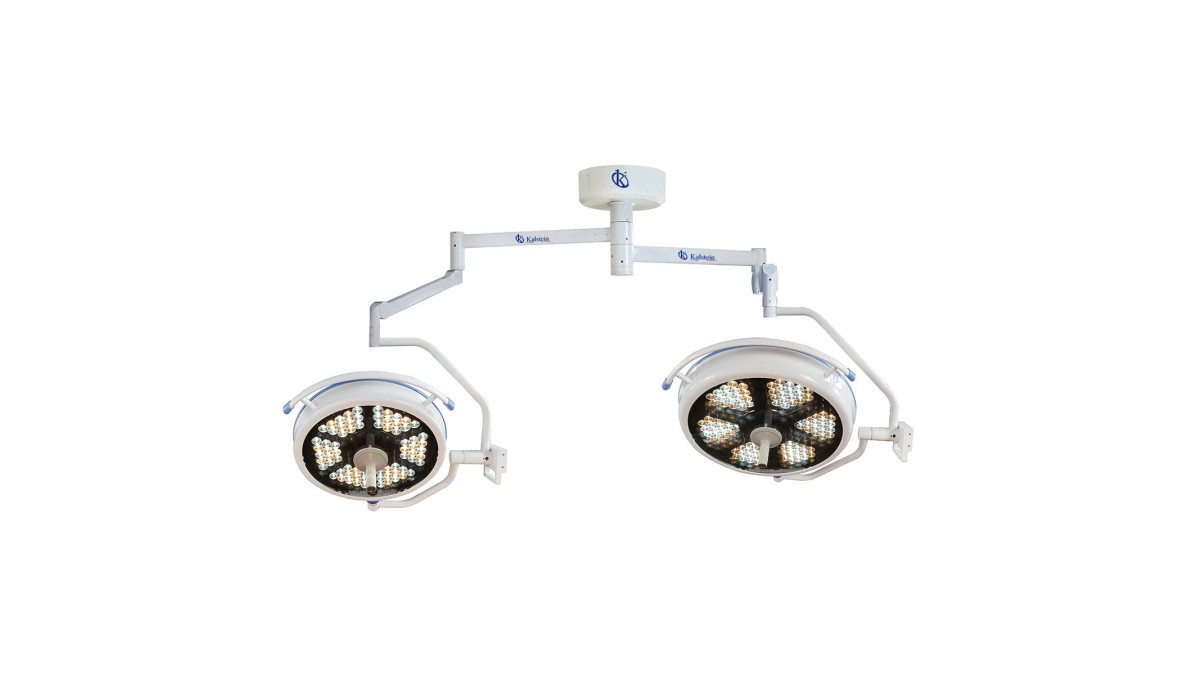
Veterinary Operating Lamps: Practical Applications and Techniques 2026
The use of veterinary operating lamps has become indispensable in modern clinical and hospital laboratories. In 2026, these lamps provide advanced lighting solutions essential for surgical procedures, enhancing visibility and improving outcomes in veterinary medicine.
What is it used for in 2026
In 2026, veterinary operating lamps are crucial for a variety of surgical procedures. Their primary function is to illuminate the surgical area, ensuring that veterinarians have a clear view of the operation site. These lamps are designed to minimize shadows, which can obscure critical details during surgery. They are utilized in a range of applications, including:
- Soft tissue surgeries
- Orthopedic procedures
- Emergency surgeries
- Routine examinations and minor procedures
Proper lighting not only aids in the precision of surgical techniques but also supports the overall safety of both the veterinary staff and the animals being treated.
History and evolution of the technology
The evolution of veterinary operating lamps has progressed from basic incandescent bulbs to advanced LED technology. Early surgical lights offered limited illumination and often generated considerable heat, making them less than ideal for extended procedures. With advancements in technology, LED lamps have emerged, providing focused, shadow-free light with adjustable color temperatures. The transition to LED technology has improved energy efficiency and reduced the need for frequent bulb replacements, transforming how veterinary practices approach surgical lighting.
How to use it step by step
Using veterinary operating lamps effectively involves several key steps:
- Positioning the Lamp: Ensure the lamp is installed at an appropriate height and angle to provide optimal illumination over the surgical area.
- Adjusting Brightness and Color Temperature: Utilize the control settings to adjust the brightness and color temperature according to the specific surgical requirements.
- Testing the Light: Before commencing the procedure, test the light to ensure that it provides adequate illumination without causing glare.
- Maintaining a Clean Environment: Keep the lamp clean and free from obstructions to maintain the quality of light throughout the procedure.
- Post-Use Cleaning: After surgery, clean the lamp and its surroundings to prevent contamination.
Best techniques and protocols
To maximize the effectiveness of veterinary operating lamps, adhering to certain techniques and protocols is essential:
- Regularly check and calibrate the lamps to ensure optimal performance.
- Train staff on proper usage and maintenance of the lamps.
- Implement a regular cleaning schedule to maintain hygiene and lamp performance.
- Use protective eyewear when adjusting the lamps to prevent glare-related issues.
Practical applications by laboratory type
Veterinary operating lamps find applications across various laboratory settings:
- General Veterinary Clinics: Used for routine surgeries and procedures.
- Emergency Animal Hospitals: Essential for quick response surgeries.
- Specialty Clinics: Utilized in orthopedic and other specialized surgeries.
Regulations, standards and certifications
Veterinary operating lamps must comply with international standards and certifications to ensure safety and efficacy. Regulatory bodies, such as the FDA and ISO, set guidelines for manufacturing and operational practices. Ensuring that lamps are certified can help laboratories maintain high standards of care and legal compliance.
Comparison with alternative technologies
When comparing veterinary operating lamps with alternative lighting technologies, the following points arise:
- Incandescent Lamps: While cheaper, they generate more heat and shadows, making them less suitable for surgical use.
- Halogen Lamps: Offer bright light but have a shorter lifespan and higher energy consumption than LEDs.
- Fiber Optic Lighting: Provides excellent illumination but can be more complex and costly to maintain compared to modern LED lamps.
Comparison of available models
| Model | Best for | Key specs | Recommended use case |
|---|---|---|---|
| YR06115 | Complex surgeries | Illuminance ≥160,000Lux | Best for thoracic and encephalon surgeries. |
| YR06116 | Routine surgeries | Illuminance 160,000Lux | Ideal for general surgical procedures. |
| YR06117 | High-level aseptic areas | Illuminance 40,000~160,000Lux | Ceiling-mounted for maximum flexibility. |
| YR06118 | Wall-mounted solutions | Illuminance 40,000~160,000Lux | Perfect for limited spaces. |
| YR06119 | Minor procedures | Illuminance ≥100,000Lux | Great for examinations and smaller surgeries. |
| YR06120 | Deep illumination | Illuminance ≥50,000Lux | Best for deep surgical fields. |
Common mistakes and how to avoid them
Veterinary professionals often encounter several common mistakes when using operating lamps:
- Improper positioning: Ensure the lamp is positioned correctly to avoid obstructions and provide adequate lighting.
- Neglecting maintenance: Regularly clean and check the lamps to ensure they operate efficiently.
- Ignoring color temperature settings: Adjust the color temperature based on the type of procedure being performed.
Maintenance, calibration and good practices 2026
Proper maintenance and calibration are vital for ensuring the longevity and performance of veterinary operating lamps:
- Schedule regular maintenance checks to ensure all components are functioning correctly.
- Calibrate brightness and color settings periodically to suit various surgical needs.
- Train staff on proper handling and cleaning practices to maintain hygiene.
Cost-benefit analysis 2026
Investing in high-quality veterinary operating lamps may have higher upfront costs but offers significant long-term benefits, including:
- Reduced energy costs due to LED technology.
- Lower maintenance and replacement costs over time.
- Improved surgical outcomes leading to higher client satisfaction.
Frequently asked questions
What are the key features to look for in a veterinary operating lamp?
Look for features such as adjustable brightness, color temperature settings, ease of positioning, and shadow-free illumination to enhance visibility during surgical procedures.
How often should veterinary operating lamps be maintained?
Regular maintenance should be conducted every 6 months or as recommended by the manufacturer to ensure optimal performance and safety.
Can LED operating lamps be used for all types of surgeries?
Yes, LED operating lamps are versatile and suitable for various surgeries, providing ample illumination for both minor and major procedures.
How does color temperature affect surgical lighting?
Color temperature can affect visibility and comfort; cooler temperatures are often preferred for surgical lighting to enhance clarity without causing eye strain.
What is the average lifespan of a veterinary operating lamp?
LED veterinary operating lamps typically have a lifespan of approximately 30,000 to 50,000 hours, depending on usage and maintenance practices.
How do I choose the right model for my clinic?
Consider factors such as the types of procedures performed, the size of the operating space, and specific illumination needs when selecting a model.
If you are looking for a fusion of innovation and quality, you have come to the right place. At Kalstein, we offer you the luxury of exploring our exclusive catalog of laboratory equipment. We manufacture every device to the highest standards of excellence. Our intuitive and seamless online purchasing channels are designed for your convenience, securing the most competitive prices. Hesitate no longer — we bring science to life, it is time to become part of our community.