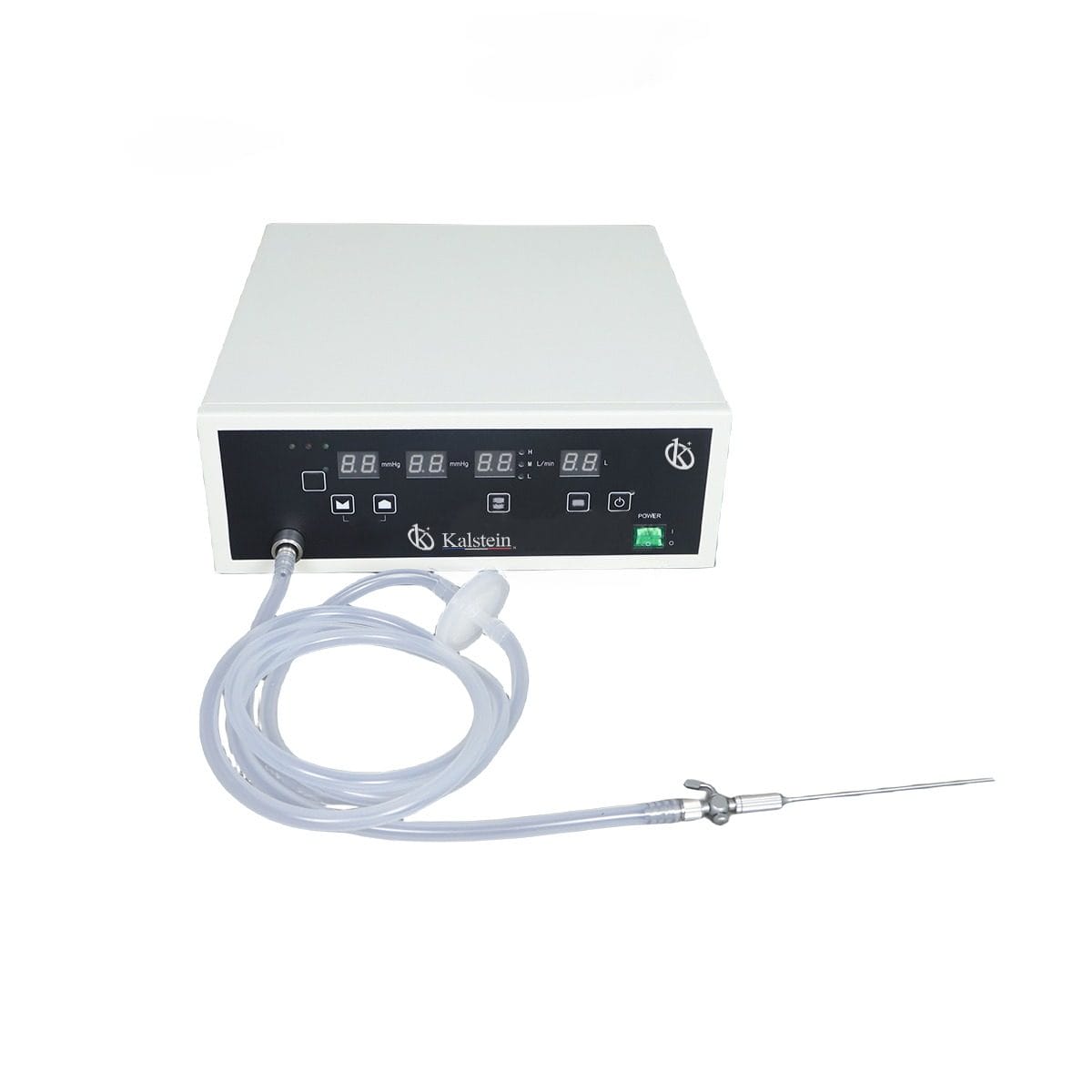
Veterinary Laparoscopy Systems: Applications in Research, Biotechnology, and Academia 2026
Veterinary laparoscopy systems are transforming the landscape of veterinary medicine, providing innovative solutions for minimally invasive surgical procedures. They offer a range of applications in research, biotechnology, and academia, enhancing the quality of care for animals while allowing for more precise surgical techniques. This article will delve into the practical applications of laparoscopy systems in 2026, exploring how they are utilized in various fields, the evolution of the technology, step-by-step usage guidelines, and best practices.
What is it used for in 2026
In 2026, veterinary laparoscopy systems are primarily used for diagnosing and treating internal conditions in animals through minimally invasive techniques. These systems enable veterinarians to perform surgeries with reduced recovery times, less pain, and minimal scarring. Key applications include:
- Diagnostic laparoscopy for internal organ examination.
- Minimally invasive surgical procedures such as spays, neuters, and biopsies.
- Research applications in veterinary medicine, allowing for the study of surgical outcomes.
- Training and education in veterinary schools, providing hands-on experience with advanced surgical techniques.
History and evolution of the technology
The evolution of veterinary laparoscopy technology traces back to advancements in human laparoscopic surgery during the late 20th century. As the benefits of minimal invasiveness became apparent, similar techniques were adapted for veterinary medicine. The introduction of high-definition imaging and more compact, portable equipment has significantly improved the capabilities of laparoscopy systems. Over the years, the technology has advanced to include:
- Improved CO2 insufflators for better pneumoperitoneum management.
- High-definition endoscopic imaging systems for clearer visual assistance.
- Portable and mobile solutions, enhancing usability in various environments.
How to use it step by step
Using a veterinary laparoscopy system involves several steps to ensure successful outcomes:
- Preparation: Ensure all equipment is sterilized and ready for use. Check the CO2 insufflator settings and calibrate as needed.
- Anesthesia: Administer appropriate anesthesia to the animal.
- Pneumoperitoneum: Insert the trocar and insufflate CO2 to create a working space in the abdominal cavity.
- Insertion of instruments: Use the laparoscopic instruments through the trocar to perform the necessary procedures.
- Observation: Utilize the imaging system to monitor the surgery in real-time.
- Closure: Remove instruments and trocar, deflate the cavity, and suture any incisions.
- Post-operative care: Monitor the animal for recovery.
Best techniques and protocols
To maximize the effectiveness of veterinary laparoscopy, following best techniques and protocols is essential:
- Maintain a sterile field to prevent infections.
- Use appropriate insufflation pressures to avoid organ damage.
- Employ high-definition imaging to improve precision during procedures.
- Ensure proper training and practice to develop proficiency in laparoscopic techniques.
Practical applications by laboratory type
Veterinary laparoscopy systems cater to various laboratory types, including:
- Research laboratories: Used for studying surgical techniques and outcomes in veterinary procedures.
- Academic institutions: Employed in veterinary training programs to educate students.
- Clinical veterinary practices: Utilized for routine surgeries and diagnostics.
Regulations, standards and certifications
Veterinary laparoscopy systems must adhere to specific regulations and standards, including:
- Compliance with veterinary surgical guidelines set by regulatory bodies.
- Certification of devices to ensure they meet safety and performance criteria.
- Regular inspections and maintenance as per health regulations.
Comparison with alternative technologies
When comparing veterinary laparoscopy systems with alternative technologies, several key differences emerge:
- Traditional open surgery: Laparoscopy offers less recovery time and trauma compared to open surgery.
- Endoscopy: Both techniques utilize similar imaging technologies, but laparoscopy is more focused on surgical interventions.
- Ultrasound-guided procedures: While useful for diagnostics, laparoscopy allows for direct intervention.
Comparison of available models
| Model | Best for | Key specs | Recommended use case |
|---|---|---|---|
| YR06157 | Small animal procedures | Flow rate: 4L/min, 6L/min, 10L/min; Pressure: 0.67kPa~3.30kPa | Spaying and minimally invasive diagnostics |
| YR06156 | High-definition imaging | Resolution: 1920*1080; LED lighting; Portable | Endoscopic surgeries in confined spaces |
| YR06158 | High flow insufflation | Flow rate: 2L/min-40L/min; Long lifespan | Complex laparoscopic surgeries with extensive visibility |
Common mistakes and how to avoid them
Common pitfalls to avoid in veterinary laparoscopy include:
- Inadequate training: Ensure all personnel are properly trained to handle the equipment.
- Improper sterilization: Always adhere to sterilization protocols.
- Neglecting maintenance: Regularly check and maintain equipment for optimal performance.
Maintenance, calibration and good practices 2026
To maintain equipment in 2026, follow these best practices:
- Regular calibration of insufflators to ensure accurate pressure settings.
- Routine cleaning and sterilization of all instruments and devices.
- Frequent checks of imaging systems to ensure high-definition quality.
Cost-benefit analysis 2026
Conducting a cost-benefit analysis of veterinary laparoscopy systems involves evaluating the initial investment against potential savings:
- Initial costs of equipment, including the CO2 insufflator and imaging systems.
- Long-term savings from reduced recovery times and lower complication rates.
- Increased clientele satisfaction due to improved surgical outcomes.
Frequently asked questions
What is the importance of training for veterinary laparoscopy?
Training is crucial for ensuring that veterinarians can effectively use laparoscopy systems, minimizing risks and optimizing surgical outcomes.
How do I choose the right veterinary laparoscopy system for my practice?
Consider factors such as the types of procedures you perform, the size of animals you treat, and the specific features needed for your practice.
What are the key maintenance practices for laparoscopic equipment?
Regular cleaning, sterilization, and calibration are essential for maintaining the functionality and safety of laparoscopic systems.
How can I integrate laparoscopy into my veterinary practice?
Start by providing training for your staff, investing in quality equipment, and gradually introducing laparoscopic techniques into your procedures.
What are the most common procedures performed using veterinary laparoscopy?
Common procedures include spaying, neutering, biopsies, and exploratory surgeries in small animals.
Is there a significant difference in recovery times with laparoscopy?
Yes, laparoscopy generally results in shorter recovery times compared to traditional open surgeries due to less tissue trauma.
If you are looking for a fusion of innovation and quality, you have come to the right place. At Kalstein, we offer you the luxury of exploring our exclusive catalog of laboratory equipment. We manufacture every device to the highest standards of excellence. Our intuitive and seamless online purchasing channels are designed for your convenience, securing the most competitive prices. Hesitate no longer — we bring science to life, it is time to become part of our community.