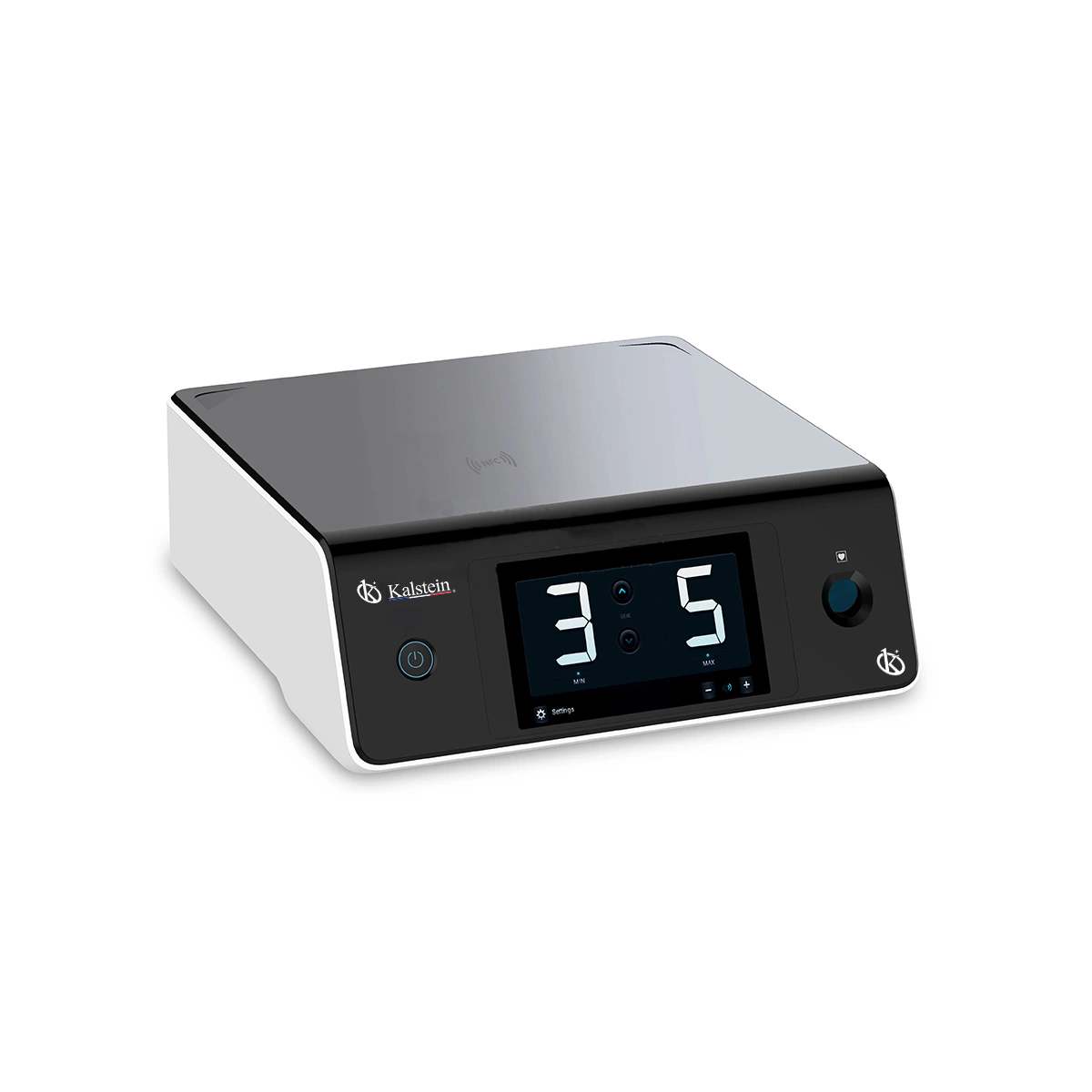
Veterinary Electrosurgical Units: Applications in Research, Biotechnology, and Academia 2026
Veterinary Electrosurgical Units (VEUs) have become pivotal in veterinary surgeries and laboratory settings. These advanced devices employ electrical energy to cut tissue and coagulate blood vessels, making them indispensable in various medical and research applications. In this article, we will delve into the multifunctional nature of VEUs, how to use them effectively, best practices, and practical applications across different laboratory types.
What is it used for in 2026
Veterinary Electrosurgical Units are utilized primarily for surgical procedures in veterinary medicine. Their applications include:
- Cutting and coagulating tissue during surgeries.
- Sealing blood vessels to minimize bleeding.
- Facilitating laparoscopic procedures.
- Providing hemostatic control in various surgical contexts.
- Enhancing precision in surgical techniques.
In 2026, the increasing demand for efficient and safe surgical methods continues to drive the adoption of VEUs in both clinical and research environments, as they allow for faster recovery times and less invasive procedures.
History and evolution of the technology
The development of electrosurgical devices dates back to the early 20th century, with refined technology evolving significantly over the decades. Initially used in human surgeries, the adaptation for veterinary applications has expanded the scope of electrosurgery:
- 1970s: Introduction of basic electrosurgical units for veterinary practices.
- 1990s: Advancements in technology improved safety and efficacy, leading to the introduction of ultrasonic scalpels.
- 2000s: Enhanced precision with the introduction of digital controls and the integration of feedback systems.
- Present: Modern VEUs include multifunctional capacities, digital interfaces, and ergonomic designs, catering specifically to veterinary needs.
The evolution of this technology has propelled veterinary surgical practices into a new era of precision and reliability, making surgeries safer and more efficient.
How to use it step by step
Using a Veterinary Electrosurgical Unit involves several crucial steps:
- Preparation: Ensure the workspace is clean and that all necessary equipment is available.
- Setup: Connect the electrosurgical unit to a suitable power source and check all cables and accessories for integrity.
- Patient Preparation: Properly prepare the patient, including sedation and positioning.
- Mode Selection: Choose the appropriate mode of operation based on the procedure (e.g., cutting, coagulation).
- Electrode Selection: Attach the suitable electrode for the specific task at hand.
- Initiation: Activate the unit and perform a test activation to ensure functionality.
- Surgery Execution: Conduct the surgical procedure while monitoring the patient’s condition closely.
- Post-Procedure Care: Disconnect the unit, clean the site, and monitor the patient during recovery.
Each step is crucial for ensuring a safe and effective surgical outcome.
Best techniques and protocols
Several best techniques and protocols have emerged for using Veterinary Electrosurgical Units effectively:
- Continuous Monitoring: Continuously monitor vital signs during surgery to respond to any changes.
- Proper Electrode Placement: Ensure electrodes are placed correctly to maximize efficiency and minimize tissue damage.
- Use of Cool Tip Electrodes: Opt for cooling tips to reduce thermal damage to adjacent tissues.
- Regular Calibration: Regularly calibrate the units to maintain accuracy and effectiveness.
- Training: Ensure all personnel are adequately trained in operating the equipment and understanding the associated protocols.
Adhering to these protocols enhances the safety and effectiveness of veterinary surgical procedures.
Practical applications by laboratory type
Veterinary Electrosurgical Units find applications in various laboratory settings:
- Clinical Laboratories: Used for surgical procedures on animals needing medical interventions.
- Research Facilities: Employed in experimental surgeries to study the effects of various treatments.
- Biotechnological Labs: Utilized for tissue manipulation and experimental procedures involving small animals.
- Universities: Incorporated into veterinary training programs for practical skill development.
The versatility of VEUs makes them vital tools in advancing veterinary medicine and research.
Regulations, standards and certifications
Compliance with regulations and standards is paramount in the use of Veterinary Electrosurgical Units. Key regulations include:
- ISO 13485: Quality management systems for medical devices.
- FDA regulations: Ensuring device safety and effectiveness in the United States.
- CE marking: Compliance for products sold in Europe, indicating conformity with health, safety, and environmental protection standards.
Staying updated with these regulations ensures that practitioners maintain the highest standards of safety and efficacy in their procedures.
Comparison with alternative technologies
While Veterinary Electrosurgical Units are highly effective, several alternative technologies exist:
- Laser Surgery: Provides precise cutting with minimal damage; however, it can be more expensive and requires additional training.
- Traditional Surgical Methods: Often involve more manual techniques, which can result in longer healing times and increased risk of complications.
- Plasma Energy Devices: Offer non-contact cutting and coagulation but may not be as widely available as VEUs.
Each technology has its advantages and disadvantages, and the choice largely depends on the specific requirements of the procedure.
Comparison of available models
| Model | Best for | Key specs | Recommended use case |
|---|---|---|---|
| YR06129 | Ultrasonic cutting and coagulation | Power: 690VA, Output current: 380mA | Small tissue surgeries requiring precise cutting |
| YR06130 | General surgery | Max power: 35 watts, LCD display | Multifunctional surgeries including hemostatic procedures |
| YR06131 | Vascular surgeries | Max power: 300 watts, Automatic operation | Procedures requiring secure vessel sealing |
| YR06132 | Open surgeries | Max output: 300W, Multiple coagulation modes | Wide range of surgical applications |
| YR06133 | Portable options | Power: 15W, Dual wavelength | Emergency surgeries and fieldwork |
| YR06134 | Portable options | Power: 15W+15W, Panel control | Versatile applications in various settings |
Common mistakes and how to avoid them
Several common mistakes can occur when using Veterinary Electrosurgical Units:
- Inadequate Training: Ensure all operators are properly trained to avoid misuse.
- Ignoring Calibration: Regular calibration is essential for accurate performance.
- Improper Electrode Use: Always choose the correct electrode for the specific tissue type.
- Skipping Safety Protocols: Adhere to all safety protocols to prevent accidents.
Awareness of these pitfalls allows for smoother operation and improved safety in surgical environments.
Maintenance, calibration and good practices 2026
Maintaining Veterinary Electrosurgical Units is crucial to ensure their longevity and effectiveness:
- Regular Cleaning: Clean units and accessories after each use to prevent contamination.
- Routine Calibration: Schedule routine checks and calibrations to maintain accuracy.
- Software Updates: Keep software updated for optimal performance.
- Training Updates: Regularly train staff on the latest best practices and protocols.
Implementing these practices will enhance the functionality and lifespan of the equipment.
Cost-benefit analysis 2026
When evaluating the cost-benefit of Veterinary Electrosurgical Units, consider the following:
- Initial Investment: While the upfront cost can be significant, the multifunctional capabilities reduce the need for multiple devices.
- Operational Efficiency: VEUs facilitate quicker surgeries, reducing overall operational costs.
- Patient Outcomes: Improved safety and reduced recovery time enhance patient satisfaction and outcomes.
- Training Costs: Investing in staff training adds to initial costs, but pays off in operational efficiency.
A thorough cost-benefit analysis can help in making informed decisions regarding the acquisition of VEUs.
Frequently asked questions
How do I choose the right Veterinary Electrosurgical Unit for my practice?
Consider the types of surgeries you perform most frequently and the specific features you need, such as power output and multifunctional capabilities. Reviewing the specifications of the available models can help you make an informed choice.
What safety protocols should I follow when using an electrosurgical unit?
Always ensure that the unit is properly calibrated, that you are using the correct electrodes, and that all operators are trained in safety procedures to prevent accidents.
Can I use these units for both cutting and coagulation?
Yes, most Veterinary Electrosurgical Units can be set to multiple modes for cutting, coagulation, or both, making them versatile for various surgical procedures.
What should I do if my unit is not performing correctly?
If you notice performance issues, check for proper calibration, examine connections, and perform routine maintenance. If problems persist, contact the manufacturer for support.
How often should I service my Veterinary Electrosurgical Unit?
Regular servicing is recommended based on usage but generally at least once a year, or more frequently if the unit is heavily used.
What are the best practices for training my staff on the use of these units?
Provide comprehensive training that covers operational procedures, safety protocols, and hands-on practice to ensure your staff is well-prepared to use the equipment effectively.
Are there any specific certifications required for operating these units?
While specific certifications may vary by region, it is essential that operators undergo relevant training and adhere to local regulations regarding the use of medical devices in veterinary practices.
If you are looking for a fusion of innovation and quality, you have come to the right place. At Kalstein, we offer you the luxury of exploring our exclusive catalog of laboratory equipment. We manufacture every device to the highest standards of excellence. Our intuitive and seamless online purchasing channels are designed for your convenience, securing the most competitive prices. Hesitate no longer – we bring science to life, it is time to become part of our community.