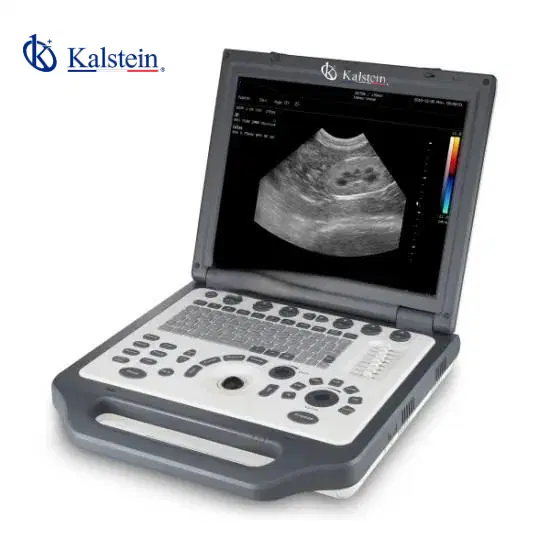
Veterinary Color Doppler: Practical Applications and Techniques 2026
Veterinary Color Doppler systems have become essential tools in veterinary medicine, enabling practitioners to perform detailed diagnostics and assessments. These advanced ultrasound devices help visualize blood flow and tissue structure, allowing for real-time evaluation of various physiological conditions in animals.
What is it used for in 2026
In 2026, Veterinary Color Doppler systems are primarily used for assessing cardiovascular health, diagnosing diseases, and monitoring the condition of various animal species including dogs, cats, horses, and cattle. These devices allow veterinarians to detect abnormalities in blood flow, measure cardiac output, and evaluate organ function through non-invasive imaging techniques.
History and evolution of the technology
The evolution of Veterinary Color Doppler technology began in the late 20th century, with initial developments in ultrasound imaging. Over the years, advancements in digital imaging technology and signal processing have significantly enhanced the capabilities of Color Doppler systems, allowing for improved image resolution and more accurate diagnostics. By 2026, these systems incorporate advanced features such as real-time imaging, high-resolution monitors, and sophisticated software for measurements and analysis.
How to use it step by step
Using a Veterinary Color Doppler system involves several steps:
- Preparation: Ensure the device is calibrated and ready for use. Prepare the animal by applying a suitable gel to the area of interest.
- Probe Selection: Choose the appropriate ultrasound probe based on the size and type of the animal as well as the area that needs to be examined.
- Imaging: Position the probe on the animal's body and adjust the settings for optimal image quality. Observe blood flow and tissue structure on the monitor.
- Data Analysis: Use the software tools available in the system to measure and analyze the data obtained. Save the results for further review.
- Reporting: Compile a report based on the findings, which can be discussed with the pet owner or used for further treatment decisions.
Best techniques and protocols
To ensure accurate results, best practices include:
- Regular calibration of the ultrasound equipment to maintain image quality.
- Using appropriate gel to enhance sound wave transmission.
- Employing a systematic approach to probe positioning and angle adjustments for optimal imaging.
- Utilizing the device’s measurement software features effectively to derive accurate diagnostic information.
Practical applications by laboratory type
Veterinary Color Doppler systems can be utilized in various types of laboratories:
- Clinical Veterinary Practices: For routine health checks and diagnostics of companion animals.
- Research Laboratories: To study cardiovascular diseases in animal models.
- Teaching Hospitals: For training veterinary students in diagnostic imaging techniques.
Regulations, standards and certifications
Veterinary Color Doppler systems must comply with various standards and regulations, including:
- FDA approval for medical devices in the United States.
- ISO standards for medical imaging equipment.
- Local regulations governing the use of diagnostic equipment in veterinary practice.
Comparison with alternative technologies
Compared to traditional ultrasound systems, Veterinary Color Doppler offers several advantages:
- Real-time visualization of blood flow, which is not available in standard ultrasound imaging.
- Enhanced diagnostic accuracy for cardiovascular conditions.
- Non-invasive nature of the procedure increases animal comfort and compliance.
Comparison of available models
| Model | Best for | Key specs | Recommended use case |
|---|---|---|---|
| YR06139 | Portable diagnostics | High-resolution 15” LCD | Field use for immediate evaluations |
| YR06140 | Data management | Comprehensive digital imaging technology | Clinical environments requiring detailed analysis |
| YR06141 | High-end diagnostics | Touch screen, 4 probe connectors | Advanced clinical practices needing extensive features |
Common mistakes and how to avoid them
Common mistakes include:
- Improper probe positioning leading to suboptimal images; to avoid this, practice and follow standard positioning protocols.
- Neglecting regular calibration; establish a routine maintenance schedule.
- Inadequate gel application; ensure even coverage for the best sound wave transmission.
Maintenance, calibration and good practices 2026
To maintain a Veterinary Color Doppler system in 2026:
- Perform regular cleaning of the ultrasound probe and equipment to prevent contamination.
- Schedule annual calibration with certified technicians to ensure accuracy.
- Keep software updated to leverage new features and improvements.
Cost-benefit analysis 2026
In 2026, investing in a Veterinary Color Doppler system can be justified by the following benefits:
- Increased diagnostic accuracy leading to better treatment outcomes.
- Ability to perform non-invasive assessments reduces the need for more expensive and invasive procedures.
- Enhanced overall practice efficiency with quicker diagnostics, improving client satisfaction.
Frequently asked questions
How do I choose the right model for my practice?
Consider your specific needs, such as portability, data management capabilities, and the types of animals you will be examining. Evaluate each model's features against your requirements.
What training is required to use a Veterinary Color Doppler system?
Training typically involves understanding the device's operation, mastering probe positioning techniques, and interpreting the imaging results accurately. Many manufacturers offer training sessions for users.
How often should the equipment be calibrated?
It is recommended to calibrate the equipment at least once a year, or more frequently if used extensively, to ensure consistent performance and accuracy.
Can I use the system for all animal species?
Most Veterinary Color Doppler systems are versatile and can be used for various species, but it is important to choose the appropriate probe and settings for different animals.
What are the common challenges faced when using Color Doppler technology?
Common challenges include obtaining clear images due to patient movement, user inexperience, and environmental factors affecting image quality. Practicing techniques can help mitigate these issues.
How can I ensure accurate measurements with the device?
Follow the manufacturer’s guidelines for use, ensure proper gel application, and maintain consistent probe pressure and positioning during the examination.
Where can I request a quote for a Veterinary Color Doppler system?
You can request a quote directly through our official channels to explore our range of equipment tailored to your needs.
If you are looking for a fusion of innovation and quality, you have come to the right place. At Kalstein, we offer you the luxury of exploring our exclusive catalog of laboratory equipment. We manufacture every device to the highest standards of excellence. Our intuitive and seamless online purchasing channels are designed for your convenience, securing the most competitive prices. Hesitate no longer — we bring science to life, it is time to become part of our community.