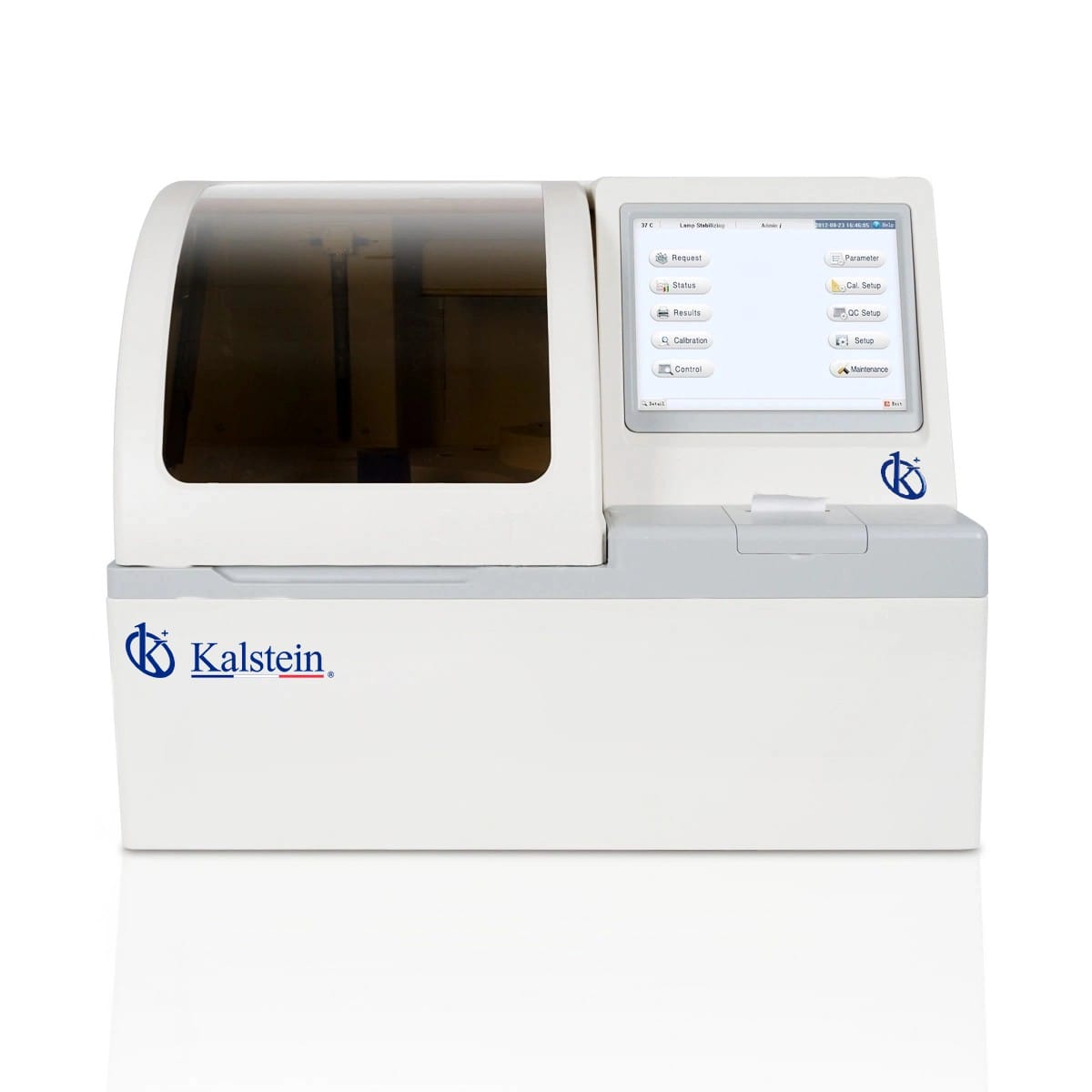
Veterinary Chemistry Analyzers: Practical Applications and Techniques 2026
Veterinary Chemistry Analyzers serve as essential tools in veterinary diagnostics, enabling fast and accurate assessment of various biochemical parameters in animals. This article delves into their applications, historical context, step-by-step usage, and best practices for laboratory professionals in 2026.
What is it used for in 2026
In 2026, Veterinary Chemistry Analyzers are primarily used for diagnosing and monitoring animal health. They analyze blood, serum, and plasma samples to provide critical information on electrolyte levels, metabolic function, and organ health. These analyzers facilitate quicker decision-making in clinical settings, improving the chances of successful treatments.
History and evolution of the technology
The history of Veterinary Chemistry Analyzers dates back several decades, evolving from manual testing techniques to sophisticated automated systems. Early models required extensive manual handling and were prone to human error. Over time, advancements in technology have led to automated analyzers capable of performing multiple tests with minimal sample input, reducing turnaround times and enhancing diagnostic precision.
How to use it step by step
Using a Veterinary Chemistry Analyzer involves a systematic approach. Here is a step-by-step guide:
- Sample Collection: Collect the required blood sample using appropriate techniques to ensure accuracy.
- Sample Preparation: Prepare the sample as per the manufacturer's guidelines (e.g., centrifugation, dilution).
- Calibration: Calibrate the analyzer to ensure optimal performance, using control samples as needed.
- Loading Samples: Load the prepared samples into the analyzer’s designated compartments.
- Running the Analysis: Initiate the analysis by selecting the appropriate test protocols.
- Reviewing Results: Once the analysis is complete, review the results for accuracy and relevance.
- Documentation: Document the findings in patient records and communicate them with the veterinary team.
Best techniques and protocols
Best practices for using Veterinary Chemistry Analyzers include:
- Regular calibration and maintenance to ensure accuracy.
- Following manufacturer protocols for sample handling and processing.
- Implementing quality control measures, such as using control samples.
- Training staff on the proper use and troubleshooting of the equipment.
Practical applications by laboratory type
Veterinary Chemistry Analyzers are applicable in various laboratory environments:
- Private Veterinary Clinics: For routine health checks and emergency diagnostics.
- Research Laboratories: For studies on animal physiology and pharmacology.
- Animal Hospitals: In critical care situations for rapid assessment and treatment.
Regulations, standards and certifications
Veterinary Chemistry Analyzers must adhere to specific regulations and standards, including:
- ISO certifications for quality management systems.
- Compliance with local and international veterinary medical regulations.
- Regular audits and inspections to ensure ongoing compliance.
Comparison with alternative technologies
While other analytical methods exist, such as manual colorimetric assays, Veterinary Chemistry Analyzers offer significant advantages:
- Automation: Reduced manual error and improved throughput.
- Speed: Faster results compared to traditional methods.
- Precision: Higher accuracy due to advanced technology.
Comparison of available models
| Model | Best for | Key specs | Recommended use case |
|---|---|---|---|
| YR06168 | Routine testing in clinics | 100 tests/hour, open reagent system | High-volume testing facilities |
| YR06169 | Portable diagnostics | 8.4" touchscreen, 100μl sample | Field tests and small clinics |
| YR06172 | Immunofluorescence testing | 7" touchscreen, wireless data | Specialized immunology labs |
| YR06174 | Blood gas analysis | Integrated printer, multi-parameter tests | Critical care settings |
| YR06077 | General chemistry analysis | 12 animal types, 34 fixed tests | General practice veterinary labs |
Common mistakes and how to avoid them
Common mistakes in using Veterinary Chemistry Analyzers include:
- Incorrect Sample Handling: Always follow the guidelines for sample collection and preparation to avoid contamination.
- Neglecting Calibration: Regularly calibrate the analyzer to maintain accuracy.
- Ignoring Quality Control: Implement quality control measures to validate results.
Maintenance, calibration and good practices 2026
Maintaining a Veterinary Chemistry Analyzer involves regular tasks:
- Daily cleaning of the device to prevent build-up of residues.
- Weekly checks for calibration accuracy and performance.
- Monthly servicing by qualified technicians to check internal components.
Cost-benefit analysis 2026
Investing in Veterinary Chemistry Analyzers presents a solid cost-benefit ratio:
- Reduced Turnaround Times: Increased efficiency leads to more tests processed daily.
- Improved Diagnostic Accuracy: High-quality tests lead to better patient outcomes.
- Operational Cost Savings: Automation reduces labor costs and human error rates.
Frequently asked questions
What factors should I consider when choosing a Veterinary Chemistry Analyzer?
When selecting a Veterinary Chemistry Analyzer, consider factors such as the test menu, throughput, portability, and ease of use. Evaluate the model's compatibility with your laboratory's needs and the types of animals you serve.
How often should I calibrate my analyzer?
Calibration frequency depends on the model and usage intensity. Generally, it is advised to calibrate before daily use and after any maintenance or repairs.
What is the best practice for sample collection?
Use sterile methods for blood collection, ensuring proper handling to prevent contamination. Follow specific guidelines for the type of animal and test being performed.
Can I use different types of samples in my analyzer?
Most analyzers allow for multiple sample types, including whole blood, serum, and plasma. However, always check the manufacturer's instructions for compatibility.
What should I do if I encounter an error with the analyzer?
Consult the user manual for troubleshooting steps. If issues persist, contact technical support for assistance to prevent damaging the equipment.
How can I ensure accurate results?
To ensure accuracy, maintain regular calibration, perform quality control checks, and follow the manufacturer's guidelines for sample preparation and testing procedures.
If you are looking for a fusion of innovation and quality, you have come to the right place. At Kalstein, we offer you the luxury of exploring our exclusive catalog of laboratory equipment. We manufacture every device to the highest standards of excellence. Our intuitive and seamless online purchasing channels are designed for your convenience, securing the most competitive prices. Hesitate no longer — we bring science to life, it is time to become part of our community.