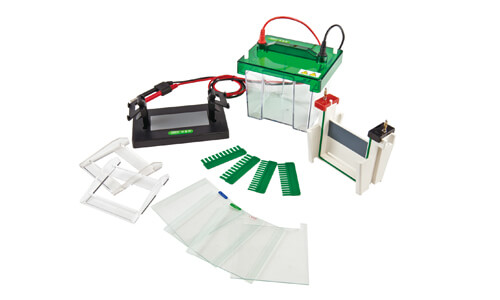
Vertical Electrophoresis: Essential Use Cases in University Research
Vertical electrophoresis is a powerful technique widely used in university laboratories for the separation of proteins. Its importance in academic research cannot be overstated, as it allows students and researchers to conduct experiments that are foundational to biotechnology, molecular biology, and biochemistry. This article explores how vertical electrophoresis is utilized in various research scenarios and academic projects, and compares different models available in the market.
Understanding Vertical Electrophoresis in Academic Research
The vertical electrophoresis technique stands out due to its ability to handle complex samples and its capability for high-resolution separation. This makes it ideal for diverse applications ranging from basic research to advanced projects, including protein characterization and purification. In many academic settings, vertical electrophoresis serves as a critical tool for practical learning and experimental validation in laboratory courses.
Comparison of Available Models
| Model | Key Features | Best for | Price (USD) |
|---|---|---|---|
| YR03425 | Fast glass plate setup, suitable for 1-2 gel pieces | Basic protein separation | 303.00 |
| YR03426 | Can accommodate 1-4 gel pieces simultaneously | High-throughput protein analysis | 405.00 |
| YR03427 | Quick glass plate installation, suitable for multiple gels | Advanced protein studies | 517.20 |
| YR03428 | Can make multiple gels concurrently, high sample volume | Large-scale experiments in universities | 173.40 |
| YR03429 | High capacity for buffer volume, versatile design | Complex sample analyses | 238.20 |
| YR03430 | Rapid glass plate setup, ideal for regular lab use | Routine academic experiments | 339.60 |
Use Case Scenarios in University Projects
Vertical electrophoresis is frequently employed in academic projects that require precise protein separation for various analyses. For instance, biology students might use it to study protein expression in genetic engineering projects, while biochemistry graduates may focus on enzyme activity assays. These practical applications foster a hands-on understanding of molecular mechanisms and contribute to students' overall educational experience.
Enhancing Teaching and Learning with Electrophoresis
In many university laboratories, the use of vertical electrophoresis equipment such as the YR03426 and YR03430 provides students with opportunities to engage in real-world research. By enabling the separation of complex protein mixtures, these models facilitate experiments that help students learn techniques essential for careers in scientific research.
Optimizing Experimental Design with Vertical Electrophoresis
Effective use of vertical electrophoresis in research projects requires careful experimental design, taking into account factors such as sample preparation, gel concentration, and running conditions. Selection of the appropriate model can greatly influence the outcome of experiments. For instance, the YR03428 model is particularly suited for larger samples, making it ideal for projects requiring extensive data collection and analysis.
Common Mistakes and How to Avoid Them
While utilizing vertical electrophoresis, common mistakes can undermine experimental results. One such error includes inadequate sample preparation, which can lead to poor resolution of protein bands. Additionally, not accounting for buffer conditions may result in suboptimal separation. To avoid these pitfalls, researchers should follow established protocols and ensure thorough training on the equipment being used.
Frequently Asked Questions
How can vertical electrophoresis improve protein analysis quality in university labs?
Vertical electrophoresis, particularly using models like YR03425, significantly enhances protein analysis quality by providing high-resolution separation, which is essential for accurate characterization in research settings. This capability allows students to effectively visualize and analyze protein samples, leading to more reliable experimental outcomes.
What are the key considerations when choosing a vertical electrophoresis system for academic research?
When selecting a vertical electrophoresis system such as the YR03426, researchers should consider factors such as gel capacity, ease of setup, and specific research needs. Systems that allow for simultaneous gel preparation and rapid installation, like the YR03430, can significantly enhance workflow efficiency in busy university laboratories.
Which vertical electrophoresis models accommodate high-throughput protein studies?
The YR03426 model is particularly designed for high-throughput protein studies as it can accommodate up to 4 gel pieces simultaneously. This feature makes it ideal for university labs conducting extensive protein analyses or comparative studies.
How does vertical electrophoresis support academic research in molecular biology?
Vertical electrophoresis supports academic research in molecular biology by enabling precise separation of proteins essential for studies related to gene expression and mutation analysis. For example, models like YR03427 are optimized for such applications, allowing for in-depth investigations in university settings.
What challenges do universities face when implementing vertical electrophoresis in research projects?
Universities may face challenges such as equipment costs and the need for proper training in the use of vertical electrophoresis systems. Models like YR03428, while versatile, require users to be well-versed in their operation to maximize research output and ensure quality results.
How can vertical electrophoresis enhance reproducibility in academic experiments?
Using standardized models like the YR03429 ensures that protocols are consistently followed, enhancing reproducibility in academic experiments. This is crucial in research projects where results must be reliable and replicable, a core requirement in scientific research.
What role does vertical electrophoresis play in student-led research initiatives?
Vertical electrophoresis plays a pivotal role in student-led research initiatives by providing essential hands-on experience in protein analysis techniques. Models such as the YR03430 not only facilitate research but also help students develop critical laboratory skills necessary for their future careers in science.
How can vertical electrophoresis be integrated into university curriculums effectively?
Integrating vertical electrophoresis into university curriculums can be achieved by developing lab modules that incorporate its use for protein analysis. Utilizing accessible models like the YR03425 allows students to engage practically, reinforcing theoretical knowledge while promoting active learning in research environments.
If you are looking for a fusion of innovation and quality, you have come to the right place. At Kalstein, we offer you the luxury of exploring our exclusive catalog of laboratory equipment. We manufacture every device to the highest standards of excellence. Our intuitive and seamless online purchasing channels are designed for your convenience, securing the most competitive prices. Hesitate no longer — we bring science to life, it is time to become part of our community.