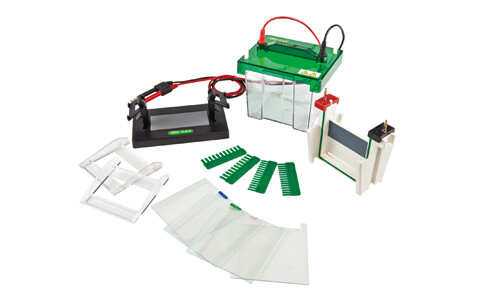
Vertical Electrophoresis: ROI and Cost-Benefit Analysis for the Lab 2026
Vertical electrophoresis stands as a crucial technique in the realm of laboratory analysis, particularly for the separation of proteins. In 2026, laboratories are increasingly focusing on understanding the return on investment (ROI) and conducting detailed cost-benefit analyses of various models within this subcategory. This article dives deep into the financial implications of integrating vertical electrophoresis systems into laboratory workflows, providing a comprehensive comparison of multiple models.
Understanding Vertical Electrophoresis through ROI
Vertical electrophoresis is a sophisticated method used for protein separation, contrasting significantly with simpler horizontal systems. As laboratories evaluate the financial viability of different systems, understanding ROI becomes essential. The ROI analysis will take into account factors such as initial capital investment (CAPEX), operational costs (OPEX), and the expected lifespan of equipment.
Comparison of Available Models
| Model | CAPEX (USD) | Cost per Test (USD) | Payback Period (Months) | Recommended Scenario |
|---|---|---|---|---|
| YR03425 | 303.00 | 3.00 | 5 | Small Research Labs |
| YR03426 | 405.00 | 4.00 | 6 | Intermediate Labs |
| YR03427 | 517.20 | 5.00 | 8 | High-Throughput Labs |
| YR03428 | 173.40 | 2.50 | 4 | Budget-Conscious Labs |
| YR03429 | 238.20 | 3.50 | 5 | Standard Research Labs |
| YR03430 | 339.60 | 4.50 | 7 | Advanced Research Facilities |
Common Mistakes and How to Avoid Them
When integrating vertical electrophoresis systems, laboratories often make critical errors that can impact both ROI and operational efficiency. One common mistake is underestimating the total cost of ownership, which includes maintenance and consumables. Additionally, failing to evaluate the specific requirements of the laboratory can lead to purchasing a model that does not meet performance needs. To avoid these pitfalls, laboratories should conduct thorough research and possibly pilot testing before committing to a purchase.
Cost Structure Breakdown
Understanding the cost structure associated with each vertical electrophoresis model is vital for a robust ROI analysis. Below is a detailed table that outlines expected costs over a five-year period for two different laboratory scenarios.
| Model | Initial CAPEX (USD) | Annual OPEX (USD) | 5-Year Total Cost (USD) | Average Cost per Test (USD) |
|---|---|---|---|---|
| YR03425 | 303.00 | 100.00 | 803.00 | 3.00 |
| YR03426 | 405.00 | 120.00 | 825.00 | 4.00 |
| YR03427 | 517.20 | 150.00 | 1,017.20 | 5.00 |
| YR03428 | 173.40 | 80.00 | 473.40 | 2.50 |
| YR03429 | 238.20 | 90.00 | 538.20 | 3.50 |
| YR03430 | 339.60 | 110.00 | 689.60 | 4.50 |
Laboratory Scenarios and Equipment Selection
Different laboratory setups require specific models of vertical electrophoresis systems. For instance, small research labs might benefit from the YR03425 due to its low CAPEX and efficiency. In contrast, high-throughput laboratories would find the YR03427 more suitable given its larger capacity for sample processing. Understanding the unique needs of each lab type is essential for making informed decisions about equipment purchases.
Frequently Asked Questions
What is the expected ROI for the YR03425 vertical electrophoresis model in 2026?
The expected ROI for the YR03425 model, priced at $303.00, is approximately 5 months based on its low operational costs and versatility for small labs, making it a cost-effective choice for protein separation tasks.
How do operational costs compare for YR03426 and YR03427 models?
When comparing operational costs, the YR03426 incurs about $120 annually, while the YR03427 has higher operational costs at $150. The latter's advanced capabilities can justify the costs in high-demand labs, impacting overall ROI.
Which vertical electrophoresis model offers the best value for high-throughput labs?
The YR03427 is the best value for high-throughput labs due to its sample capacity and efficiency in processing, despite its higher upfront costs. Its ability to handle multiple samples expedites research timelines considerably.
How can I determine the cost per test for the YR03428 model?
The cost per test for the YR03428 model is approximately $2.50. This figure is derived from its initial and operational costs over a five-year period, making it a budget-friendly choice for labs with limited funding.
What brand offers the highest efficiency in vertical electrophoresis for labs?
The YR03427 model offers the highest efficiency in vertical electrophoresis due to its robust design for high workloads. It is particularly optimized for labs focused on protein analysis and separation.
What key features should I look for in a vertical electrophoresis system?
Key features to consider include installation speed, sample capacity, buffer volume, and gel thickness options. Models like the YR03430 excel in these areas, providing versatility for various laboratory scenarios.
How does the YR03429 model support lab activities in terms of cost efficiency?
The YR03429 model supports lab activities with an average operational cost of $3.50 per test, promoting cost efficiency for routine protein analysis while ensuring reliable outcomes over time.
Conclusion
If you are looking for a fusion of innovation and quality, you have come to the right place. At Kalstein, we offer you the luxury of exploring our exclusive catalog of laboratory equipment. We manufacture every device to the highest standards of excellence. Our intuitive and seamless online purchasing channels are designed for your convenience, securing the most competitive prices. Hesitate no longer — we bring science to life, it is time to become part of our community.