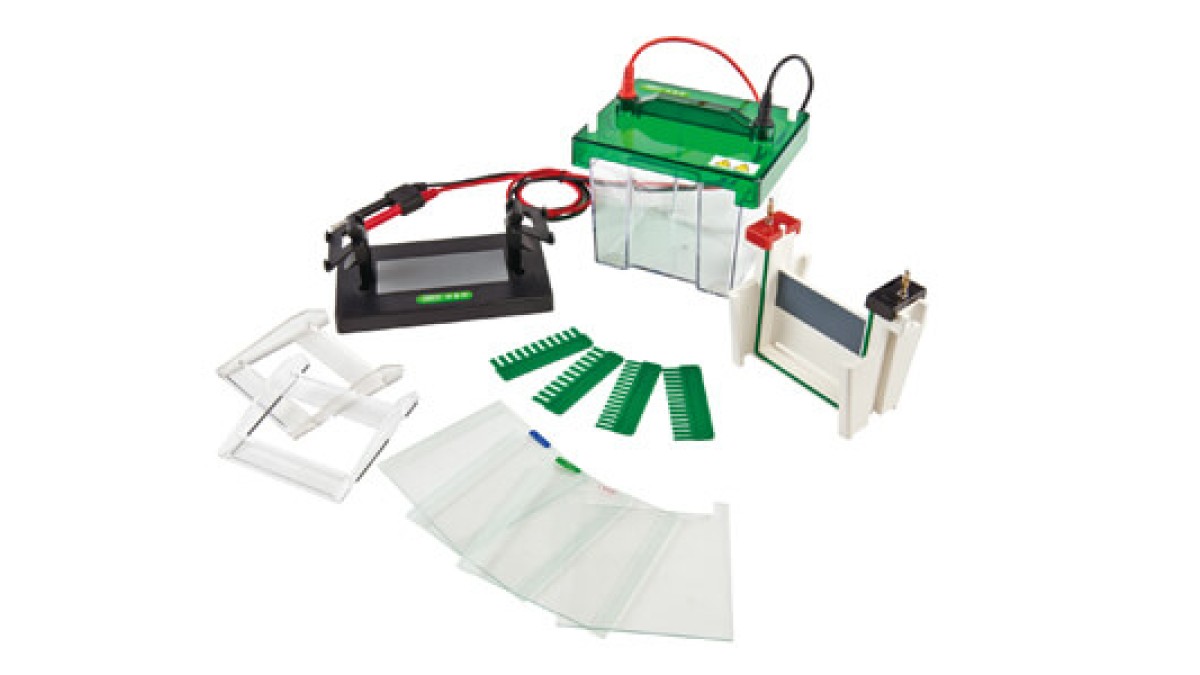
Vertical Electrophoresis: Practical Step-by-Step Guide for 2026
What is it used for in 2026
In the current landscape of laboratory research, vertical electrophoresis serves as a critical method for protein separation. This technique allows scientists to isolate proteins based on their size and charge, making it invaluable for various applications including biochemical analysis, clinical diagnostics, and biotechnology research. With advancements in technology, the methods and equipment for vertical electrophoresis have become more efficient, enabling high-resolution separation and analysis.
History and evolution of the technology
The concept of electrophoresis dates back to the early 20th century, developing into various forms that cater to different scientific needs. Vertical electrophoresis emerged as a refined technique that allows for better resolution of proteins compared to horizontal systems. Over the decades, advancements in gel preparation, buffer systems, and the introduction of automated systems have significantly improved the efficiency and reliability of vertical electrophoresis setups.
How to use it step by step
Utilizing vertical electrophoresis involves several critical steps:
- Preparation of Gel: Choose the appropriate gel concentration based on the size of the proteins to be separated. Typically, a polyacrylamide gel is used.
- Gel Casting: Cast the gel in a suitable mold. Ensure that the gel is set properly before moving to the next step.
- Sample Preparation: Prepare the protein samples by mixing them with a loading buffer. Heat if necessary to denature the proteins.
- Loading Samples: Load the samples into the wells of the gel.
- Running the Electrophoresis: Connect the electrophoresis tank to a power supply and run the gel at the recommended voltage for the specified time.
- Staining and Analysis: After electrophoresis, stain the gel with a suitable dye to visualize the proteins for analysis.
Best techniques and protocols
Best practices for vertical electrophoresis include:
- Choosing the right gel percentage based on the target proteins.
- Using freshly prepared buffers to prevent contamination and ensure consistent results.
- Maintaining consistent voltage to avoid overheating the gel.
- Careful handling during sample loading to prevent cross-contamination.
Practical applications by laboratory type
Vertical electrophoresis finds applications across various laboratory types, including:
- Biochemistry Labs: For protein characterization and analysis.
- Clinical Labs: In diagnostics for disease biomarkers.
- Research Institutions: For molecular biology studies and protein engineering.
Regulations, standards and certifications
Vertical electrophoresis systems must comply with laboratory safety standards and regulations. In many regions, certifications from relevant bodies (such as ISO) are necessary to ensure equipment safety and effectiveness.
Comparison with alternative technologies
Unlike horizontal electrophoresis, vertical systems provide better resolution and are more suited for protein analysis. However, they may require more complex setup and handling.
Comparison of available models
| Model | Best for | Key specs | Recommended use case |
|---|---|---|---|
| YR03425 | Basic protein separation | Weight: 1.8Kg, Dimensions: 150x120x115mm | Ideal for labs requiring quick and reliable protein analysis. |
| YR03426 | Simultaneous gel casting | Weight: 2.3Kg, Dimensions: 220x170x120mm | Best for labs needing high throughput for protein samples. |
| YR03427 | Higher volume sample processing | Weight: 2.7Kg, Dimensions: 175x175x100mm | Suitable for extensive protein studies with multiple samples. |
| YR03428 | Large-scale protein analysis | Weight: 3.2Kg, Dimensions: 280x140x135mm | Designed for labs focusing on advanced protein separation techniques. |
| YR03429 | Enhanced resolution | Weight: 5.7Kg, Dimensions: 280x140x250mm | Perfect for applications requiring detailed protein analysis. |
| YR03430 | Rapid results | Weight: 2.2Kg, Dimensions: 280x140x136mm | Ideal for labs needing quick turnaround for protein analysis. |
Common mistakes and how to avoid them
Common mistakes in vertical electrophoresis include:
- Not properly mixing samples with the loading buffer.
- Overloading gel wells, which can lead to poor resolution.
- Using expired or improperly prepared buffers.
- Neglecting to check for even gel polymerization.
Maintenance, calibration and good practices 2026
Regular maintenance of vertical electrophoresis equipment is crucial:
- Clean the gel apparatus after each use to prevent contamination.
- Calibrate the power supply regularly to ensure accurate voltage settings.
- Perform routine inspections to check for wear and tear on gel trays and seals.
Cost-benefit analysis 2026
When evaluating vertical electrophoresis systems, consider the initial investment against long-term reliability and output quality. Higher-end models may offer better performance and require less maintenance, making them cost-effective in the long run.
Frequently asked questions
What factors should I consider when choosing a vertical electrophoresis system?
Consider factors such as required resolution, throughput capabilities, and the types of samples you will be analyzing. Budget and maintenance requirements should also be taken into account.
How often should I calibrate my electrophoresis equipment?
Calibrate your equipment every six months or after significant use to ensure accurate results.
Is gel preparation time-consuming, and how can I streamline it?
Gel preparation can be streamlined by using pre-cast gels or automated gel casting systems, which save time and improve consistency.
Can vertical electrophoresis be used for nucleic acids?
While vertical electrophoresis is primarily designed for proteins, it can also be applied for certain nucleic acids when high resolution is required.
What should I do if my samples are not resolving as expected?
If your samples are not resolving, check your gel concentration, sample loading technique, and ensure your buffers are fresh and properly prepared.
Are there any safety concerns when using vertical electrophoresis?
Always follow laboratory safety protocols, as electric shocks can occur if equipment is not handled properly. Additionally, wear appropriate personal protective equipment.
Where can I find reliable vertical electrophoresis equipment?
For high-quality vertical electrophoresis equipment, it is advisable to explore options from reputable manufacturers, such as those available at Kalstein.
If you are looking for a fusion of innovation and quality, you have come to the right place. At Kalstein, we offer you the luxury of exploring our exclusive catalog of laboratory equipment. We manufacture every device to the highest standards of excellence. Our intuitive and seamless online purchasing channels are designed for your convenience, securing the most competitive prices. Hesitate no longer — we bring science to life, it is time to become part of our community.