Vacuum Ovens: Common Mistakes and How to Avoid Them in Daily Operations 2026
What is it used for in 2026
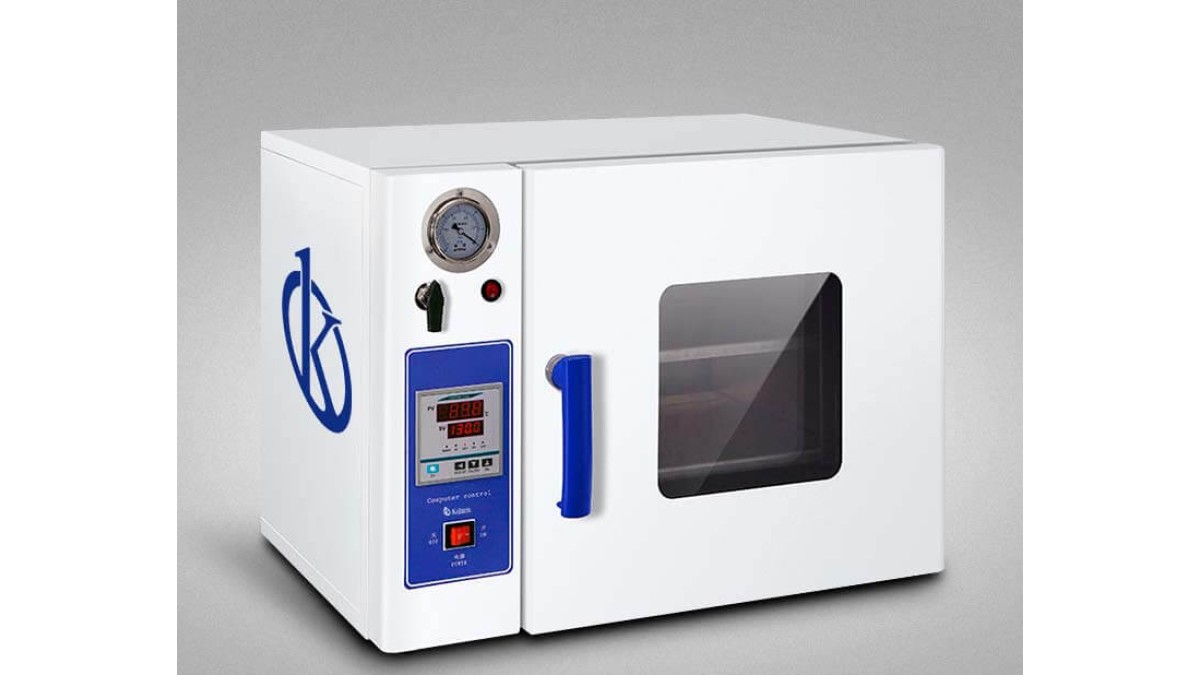
Vacuum ovens are crucial for a variety of laboratory applications in 2026. They are employed in fields such as biochemistry, pharmaceuticals, and environmental research. Their primary use is to dry and sterilize heat-sensitive materials and complex compositions that are prone to oxidation. By reducing the atmospheric pressure inside the chamber, vacuum ovens facilitate faster drying and also prevent degradation of sensitive samples, making them ideal for tasks like processing powders, cleaning complex mechanical components, and sterilizing glassware.
History and evolution of the technology
The evolution of vacuum oven technology has significantly enhanced laboratory capabilities. Initially introduced in the early 20th century, the design has progressively advanced from simple heating mechanisms to sophisticated instruments that integrate electronic controls and precise temperature regulation. Early models relied heavily on manual operation and lacked efficient vacuum sealing, but today's models offer improved vacuum integrity and automated processes, allowing for reproducible results and enhanced safety in laboratory settings.
How to use it step by step
Using a vacuum oven involves several steps to ensure optimal performance and safety:
- Preparation: Ensure that the oven is clean and free from any residues. Check that all seals and gaskets are intact.
- Loading: Place your samples in the interior chamber, ensuring they are appropriately spaced to allow for air circulation.
- Setting Parameters: Set the desired temperature and time using the control panel. Most models allow for precise temperature control.
- Evacuating Air: Activate the vacuum pump to remove air from the chamber. Monitor the pressure to ensure it reaches the desired vacuum level.
- Heating: Allow the oven to reach the set temperature for the specified duration.
- Cooling: Once the process is complete, allow samples to cool before opening the chamber to avoid contamination.
- Post-Operation Check: Inspect the samples for completeness and ensure the oven is turned off and cleaned after use.
Best techniques and protocols
Adhering to best practices when using vacuum ovens can enhance reliability and efficiency:
- Calibration: Regularly calibrate your vacuum oven to maintain precision in temperature and vacuum levels.
- Vacuum Integrity: Ensure all seals and fittings are properly maintained to prevent leaks.
- Sample Preparation: Prepare samples according to material specifications to ensure consistent outcomes.
- Monitoring: Use data logging to monitor temperature and vacuum levels, ensuring process parameters are maintained.
Practical applications by laboratory type
Different laboratories utilize vacuum ovens for specific applications:
- Pharmaceutical Labs: Used for drying active pharmaceutical ingredients and sterilizing glassware.
- Agricultural Research: Ideal for drying plant materials and maintaining sample integrity.
- Environmental Testing: Useful in drying soil samples and other materials for analysis.
- Biochemistry: Employed for the preparation of samples where oxidation must be minimized.
Regulations, standards and certifications
Compliance with regulations and standards is critical in laboratory settings. Vacuum ovens must adhere to safety and operational standards such as:
- ISO 9001: Ensures consistent quality management systems.
- ASTM Standards: Provides guidelines for testing and equipment performance.
- CE Marking: Indicates compliance with health, safety, and environmental protection standards within the European Economic Area.
Comparison with alternative technologies
While vacuum ovens are versatile, alternative drying methods exist, such as conventional ovens and freeze dryers. Here’s a brief comparison:
- Conventional Ovens: Less effective for heat-sensitive materials; air circulation can lead to oxidation.
- Freeze Dryers: Excellent for maintaining sample structure but often more expensive and time-consuming.
- Vacuum Ovens: Combine the benefits of both, offering efficient drying while minimizing heat exposure.
Comparison of available models
| Model | Best for | Key specs | Recommended use case |
|---|---|---|---|
| YR05260-A | Drying heat-sensitive materials | Temperature Range: RT + 5 ~ 250°C; Power: 0.9 kW | Ideal for quick drying processes |
| YR05261-A | General laboratory drying | Temperature Range: RT + 5 ~ 250°C; Power: 0.9 kW | Suitable for diverse applications across laboratories |
| YR05262-SS | Standard laboratory use | Temperature Range: RT + 5 ~ 250°C; Power: 1.4 kW | Perfect for routine sample preparation |
| YR05263-SS | Complex samples | Temperature Range: RT + 5 ~ 250°C; Power: 1.4 kW | Great for samples requiring precision |
| YR05264-A | High drying efficiency | Temperature Range: RT + 5 ~ 250°C; Power: 0.9 kW | Effective for large-scale laboratory needs |
| YR05265-SS | Advanced drying needs | Temperature Range: RT + 5 ~ 250°C; Power: 1.4 kW | Best for specialized applications |
Common mistakes and how to avoid them
Here are frequent mistakes laboratory professionals make when using vacuum ovens, along with tips on how to avoid them:
- Overloading the Chamber: Ensure proper spacing between samples to allow for adequate airflow.
- Ignoring Calibration: Regularly calibrate to maintain accuracy in settings.
- Failing to Monitor Vacuum Levels: Continuously monitor vacuum pressure to ensure optimal performance.
- Inadequate Cleaning: Maintain cleanliness of the chamber to prevent contamination.
- Not Following Protocols: Always adhere to standard operating procedures for specific materials.
Maintenance, calibration and good practices 2026
To ensure longevity and optimal performance of vacuum ovens:
- Regular Maintenance: Conduct routine checks for leaks and ensure all components are functioning correctly.
- Calibration: Schedule regular calibrations based on the frequency of use and operational requirements.
- Documentation: Keep logs of usage, maintenance, and calibration for compliance and operational efficiency.
Cost-benefit analysis 2026
When considering the investment in vacuum ovens, evaluate both the costs and the benefits:
- Initial Investment: Depending on the model, initial costs can vary significantly.
- Operational Costs: Evaluate energy consumption and maintenance costs over time.
- Efficiency Gains: Analyze how vacuum ovens improve processing times and sample quality compared to traditional methods.
- Return on Investment: Consider how enhanced efficiency can result in better research outcomes and cost savings.
Frequently asked questions
What types of samples can be processed in vacuum ovens?
Vacuum ovens are suitable for a variety of samples, including heat-sensitive materials, complex chemical compounds, and powders that require thorough drying without oxidation.
How often should I calibrate my vacuum oven?
Calibration frequency can depend on usage, but generally, it is recommended to calibrate every six months or prior to significant experiments to ensure accuracy.
What should I do if my vacuum oven is not reaching the desired vacuum level?
If your vacuum oven is not reaching the desired level, check for leaks in the seals or fittings, ensure the vacuum pump is functioning correctly, and verify that all connections are secure.
Can I use vacuum ovens for sterilization purposes?
Yes, vacuum ovens can be used for sterilization, particularly for glassware and heat-sensitive equipment that requires thorough drying.
What are the signs that my vacuum oven needs maintenance?
Common signs include prolonged heating times, failure to maintain temperature, and a noticeable decrease in vacuum performance. Regular checks can help avoid these issues.
What is the best practice for cleaning my vacuum oven?
Use non-corrosive cleaning agents and soft cloths to clean the interior of the oven after each use. Avoid abrasive materials that could damage the surfaces.
Where can I find more information on vacuum ovens?
For additional resources and specifications, you can contact suppliers or browse technical manuals that accompany the equipment.
If you are looking for a fusion of innovation and quality, you have come to the right place. At Kalstein, we offer you the luxury of exploring our exclusive catalog of laboratory equipment. We manufacture every device to the highest standards of excellence. Our intuitive and seamless online purchasing channels are designed for your convenience, securing the most competitive prices. Hesitate no longer — we bring science to life, it is time to become part of our community.