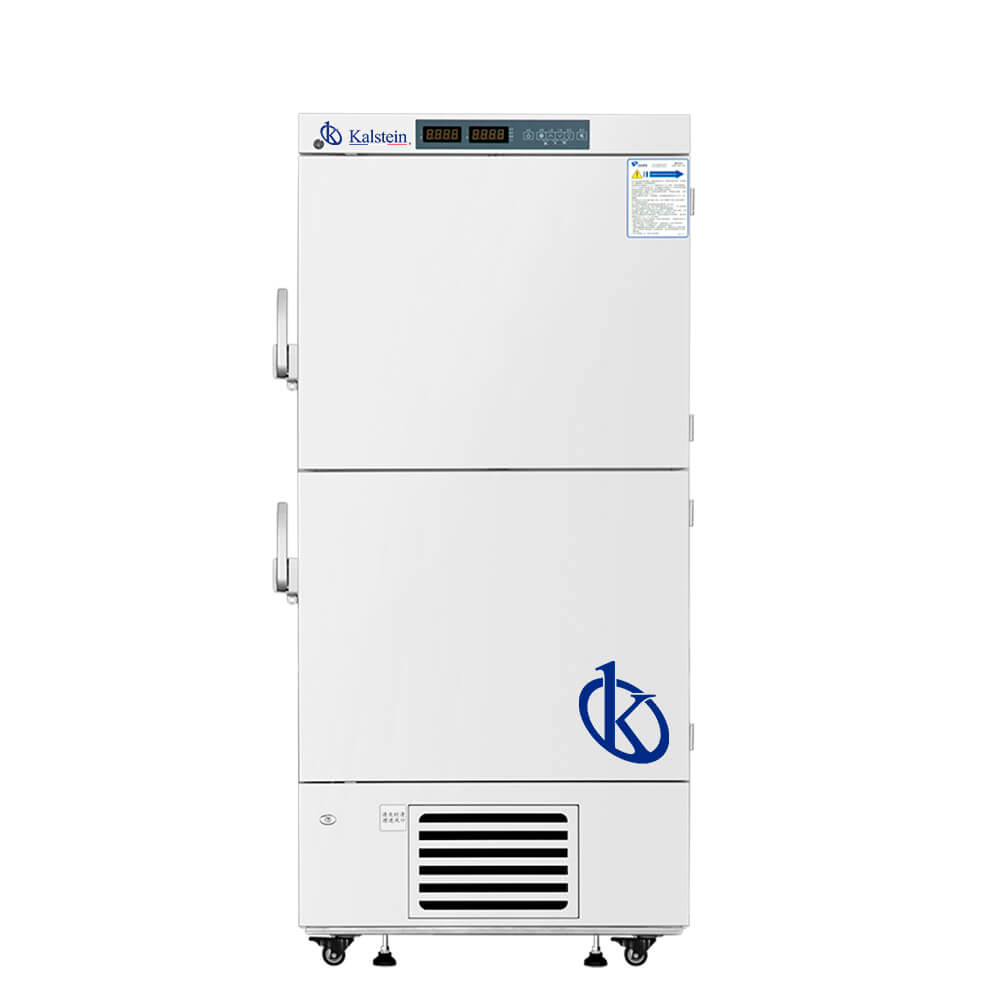
How to Utilize Low Temperature Freezers for University Research and Academic Projects
Low temperature freezers play a critical role in academic research and projects, particularly in preserving sensitive biological samples and reagents. These freezers ensure that samples are stored at optimal conditions to maintain their integrity and reliability for various experiments. This article aims to provide an in-depth exploration of low temperature freezers, focusing specifically on their application in university research and academic projects.
Understanding the Need for Low Temperature Freezers in Research
Low temperature freezers are essential in academic laboratories as they help in storing biological samples, vaccines, and other temperature-sensitive materials. The preservation of samples at low temperatures significantly reduces the risk of degradation and maintains their functional integrity, ensuring accurate experimental outcomes. Research projects that involve sensitive biological materials, such as DNA, RNA, proteins, and certain chemicals, require stringent temperature controls that these freezers provide.
Key Features to Consider in Low Temperature Freezers
When selecting a low temperature freezer for university research, several features should be prioritized:
- Temperature Range: A proper temperature range (e.g., -20°C to -40°C) is crucial for maintaining sample viability.
- Storage Capacity: The size of the freezer should align with the volume of samples to be stored.
- Alarm Systems: Alarm functionalities alert users to temperature fluctuations or malfunctions.
- Energy Efficiency: Models that consume less energy help in reducing operational costs.
- Flexibility: Adjustable shelves and compartments can accommodate various sample sizes.
Comparison of Available Models
| Model Code | Temperature Range (°C) | Storage Capacity | Key Features | Best For |
|---|---|---|---|---|
| YR05100 | -20 to -40 | Flexible storage with adjustable trays | Double door, independent chambers | Sample preservation for varied research |
| YR05309 | -20 to -40 | 358 liters | Multiple alarms, corrosion-proof design | High reliability in medical supplies storage |
| YR05311 | -10 to -25 | 12 drawers for organized storage | Two independent temperature controls | Laboratory and hospital sample storage |
Best Practices for Using Low Temperature Freezers in Academic Settings
To maximize the efficiency of low temperature freezers in academic research, laboratories should adopt several best practices:
- Routine Monitoring: Regular checks on temperature and functionality to ensure optimal performance.
- Proper Organization: Keeping samples labeled and organized to facilitate easy retrieval.
- Backup Systems: Implementing backup power systems to prevent temperature fluctuations during outages.
- Comprehensive Training: Ensuring all personnel are trained on proper usage and emergency procedures.
Common Mistakes and How to Avoid Them
In the academic setting, some common mistakes can lead to sample loss or degradation:
- Inadequate Temperature Checks: Failing to check temperatures regularly can result in unnoticed malfunctions.
- Overloading the Freezer: Misjudging storage capacity may lead to inefficient cooling and sample degradation.
- Poor Documentation: Not keeping track of sample locations and conditions makes retrieval difficult.
Energy Efficiency and Sustainability Considerations
With environmental considerations at the forefront, selecting energy-efficient models is essential. The YR05309 model, for instance, consumes only 5.5 kWh per day, making it a suitable choice for labs aiming to reduce their operational cost while contributing to sustainability. Additionally, implementing energy-saving practices, such as maintaining optimal storage conditions and regular maintenance checks, can further enhance energy efficiency.
Frequently Asked Questions
What are the best low temperature freezers for academic laboratory research?
Models like YR05100 and YR05309 are excellent choices for academic laboratory research due to their reliable temperature ranges and storage capacities. Specifically, the YR05309 provides alarms for malfunction alerts, critical for maintaining sample integrity.
How do I maintain the temperature in a low temperature freezer during power outages?
Using freezers like the YR05311 which have built-in delay start features ensures protection against high current when power is restored. Regular checks and backup power systems are also recommended.
Which low temperature freezer is best for storing biological samples in research institutions?
The YR05100 is ideal for storing biological samples as it offers a temperature range of -20 to -40°C and features adjustable shelves, making it versatile for varied sample sizes.
How often should I check the temperature of my low temperature freezer?
It is advisable to check the temperature of your low temperature freezer daily to ensure optimal conditions are maintained. Models like YR05309 come with alarm systems that alert users to temperature deviations.
What features should I look for in a low temperature freezer for academic projects?
Look for models with independent chambers, alarm systems, and flexible storage options. The YR05100 and YR05311 include these features, which are crucial for accommodating diverse sample types in academic projects.
How can I improve energy efficiency in my laboratory's low temperature freezer?
Choosing energy-efficient models such as the YR05309, which consumes only 5.5 kWh per day, alongside regular maintenance checks, can significantly enhance energy efficiency in the laboratory.
What is the significance of alarm systems in low temperature freezers?
Alarm systems are critical for alerting users to any temperature fluctuations. The YR05309 features multiple alarms for high/low temperatures and power failures, ensuring the safety of stored samples.
How do I decide which low temperature freezer is suitable for my research needs?
Consider factors such as temperature range, storage capacity, and features like alarms and adjustable shelves. The YR05311 offers a balanced approach for laboratories with varying sample requirements, making it a strong candidate.
If you are looking for a fusion of innovation and quality, you have come to the right place. At Kalstein, we offer you the luxury of exploring our exclusive catalog of laboratory equipment. We manufacture every device to the highest standards of excellence. Our intuitive and seamless online purchasing channels are designed for your convenience, securing the most competitive prices. Hesitate no longer — we bring science to life, it is time to become part of our community.