Urine analyzers: what are they used for?
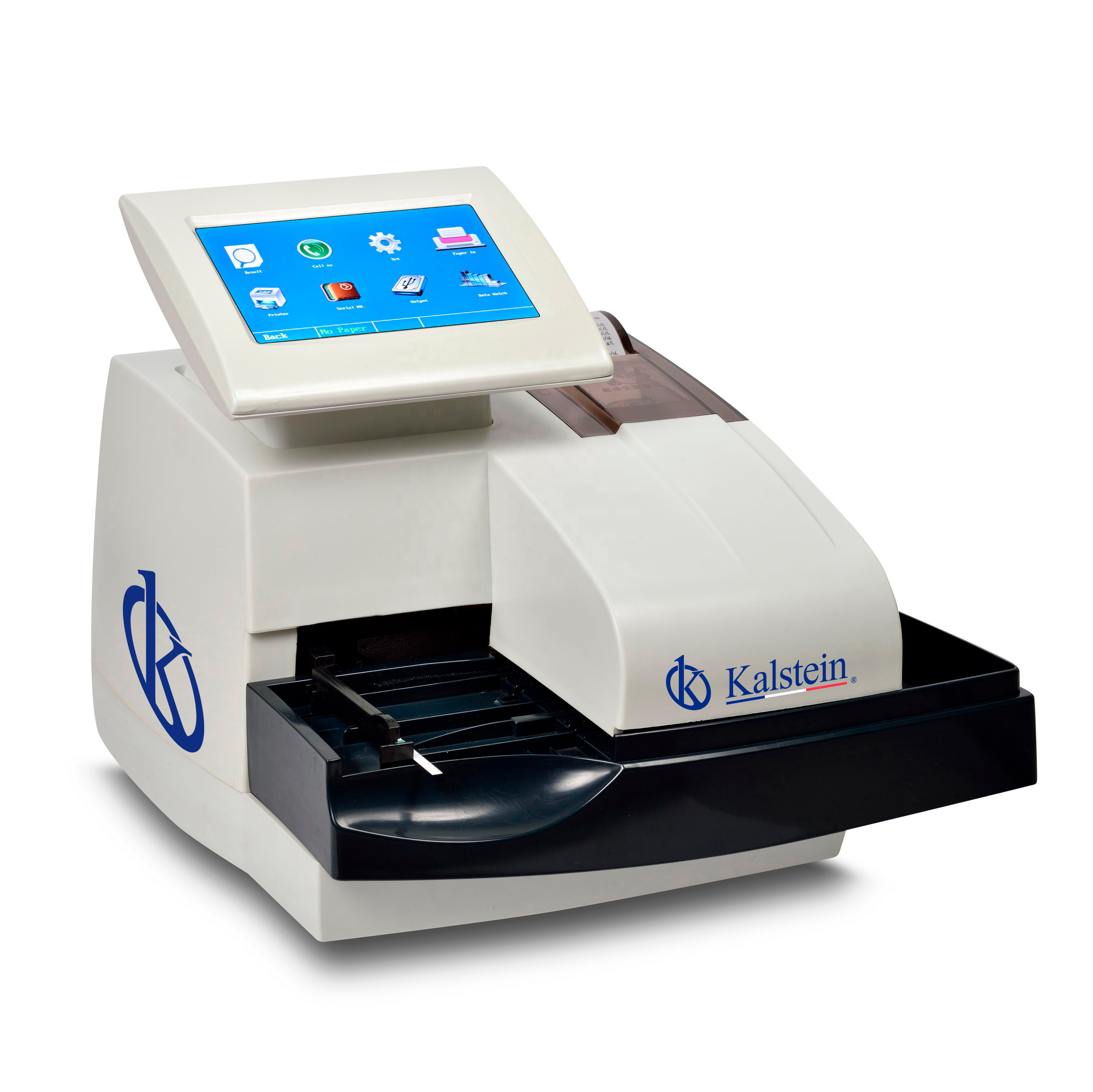
Urine analyzers are laboratory equipment that perform the automated analysis of several essential parameters of urine, allowing the detection of the presence of
Urine analyzers are laboratory equipment that perform the automated analysis of several essential parameters of urine, allowing the detection of the presence of urinary tract infections, determination of pH, blood and protein loss, as well as evaluating the presence of analytes. such as glucose, ketone bodies, nitrites and bilirubin in urine.
These instruments carry out an efficient analysis of urine samples, and are highly recommended especially in those clinical laboratories that present a high volume of patients, due to the fact that they allow to speed up the workflow and improve the quality of the results.
Urinalysis is one of the most common diagnostic tests in clinical practice. Urine is a sample that is easily obtained and provides a lot of information to doctors. It is an essential analysis for the detection and monitoring of various diseases of the urinary tract, kidneys and chronic diseases. In addition to evaluating the state of the renal and genitourinary systems, urinalysis can also identify problems in other organs (liver, muscle).
The test consists of physical and biochemical analyzes such as density, color, turbidity, pH, glucose, ketone bodies, proteins, nitrites, leukocyte esterase, hemoglobin, bilirubin, and urobilinogen; and analysis of urine particles such as red blood cells and leukocytes (RBC, WBC), bacteria, yeast, crystals, cylinders, epithelial cells, among others.
Typically, urinalysis consists of three parts: a macroscopic analysis, a dipstick analysis, and a microscopic urinalysis. Manual microscopic analysis of urine sediment is a time-consuming and labor-intensive method. The use of automated urine analyzers manages to eliminate possible variations and sources of error (urine volume, amount of sediment to be analyzed, time and speed of centrifugation, interpretation of what is observed by the analyst) and at the same time saves work and time, making these analyzers a good alternative in a high-volume laboratory environment.