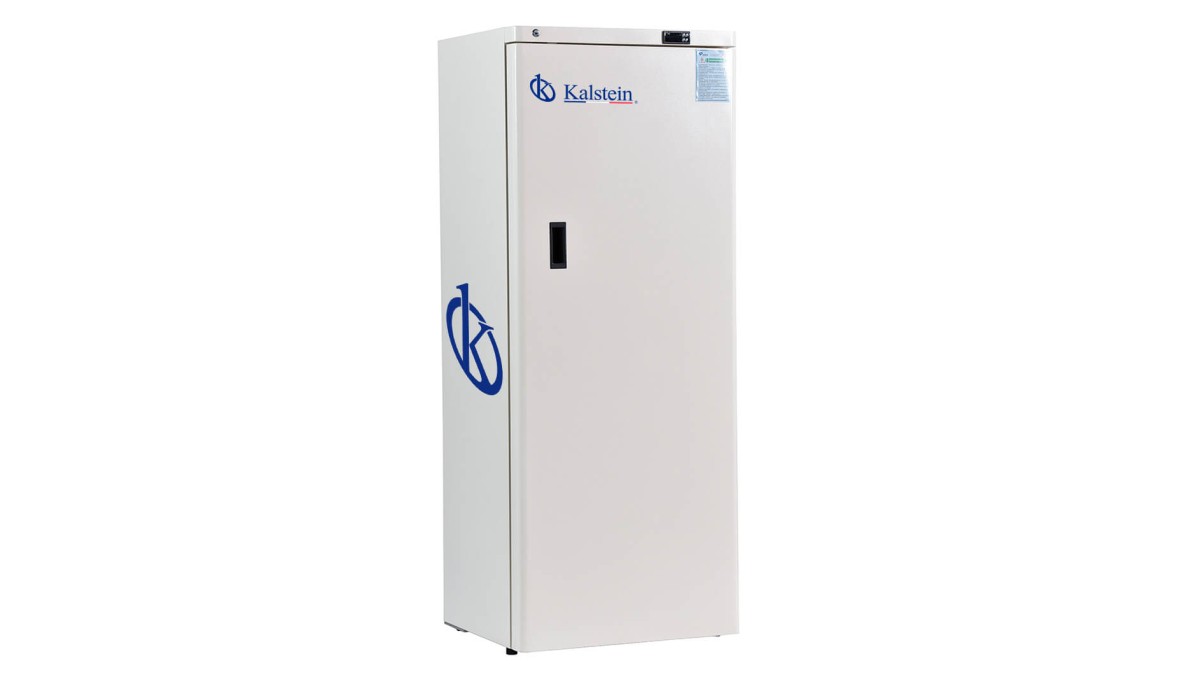
Upright Freezers: Applications in Research, Biotechnology, and Academia 2026
In the ever-evolving landscape of laboratory technology, Upright Freezers play a crucial role in preserving biological samples and other temperature-sensitive materials. As we move forward into 2026, understanding the applications and best practices surrounding Upright Freezers is essential for laboratory professionals.
What is it used for in 2026
Upright Freezers are primarily used for the long-term storage of biological materials, pharmaceuticals, and chemicals that require a stable low-temperature environment. In research and academic institutions, these freezers are essential for maintaining the integrity of samples, ranging from enzymes and proteins to cell cultures and vaccines. As technology advances, the capabilities of these freezers have expanded to meet the emerging needs of laboratories.
History and evolution of the technology
The origins of freezing technology date back to the early 20th century. Initially, freezers were large and inefficient, often leading to temperature fluctuations that compromised sample integrity. Over the decades, advancements in refrigeration technology, microprocessor controls, and insulation materials have revolutionized the design and efficiency of Upright Freezers, allowing them to maintain lower temperatures and better energy efficiency. By 2026, these freezers are anticipated to integrate smart technology, enabling remote monitoring and control for enhanced usability.
How to use it step by step
Using an Upright Freezer effectively involves the following steps:
- Preparation: Ensure the freezer is clean and free of any contaminants. Check that all parts are functioning correctly.
- Loading Samples: Place samples in appropriate containers, avoiding overcrowding to allow proper air circulation.
- Setting Temperature: Use the digital control panel to set the desired temperature according to the type of samples being stored.
- Monitoring: Regularly check temperature readings and alarm systems to ensure samples are being stored correctly.
- Recording: Keep detailed logs of sample types, storage dates, and any temperature fluctuations for future reference.
Best techniques and protocols
Laboratories should adhere to the following best practices when using Upright Freezers:
- Always label samples clearly with relevant information, including the date and contents.
- Avoid frequent opening of the freezer door to minimize temperature fluctuations.
- Implement a regular maintenance schedule to ensure optimal performance and longevity of the freezer.
- Utilize backup power sources to safeguard against potential power outages.
Practical applications by laboratory type
Upright Freezers are used across various laboratory settings:
- Research Laboratories: For storing biological specimens, reagents, and samples that require low temperatures.
- Biotechnology Firms: To preserve genetically modified organisms and sensitive biological materials.
- Academic Institutions: For teaching laboratories that handle biological experiments and research.
- Clinical Laboratories: For the storage of diagnostics and vaccine samples.
Regulations, standards and certifications
Compliance with regulations such as ISO and FDA standards is critical when operating Upright Freezers in laboratories. These regulations help ensure that freezers maintain the proper conditions for sample storage, thereby securing the integrity of sensitive materials.
Comparison with alternative technologies
While Upright Freezers are popular in labs, alternative technologies include:
- Chest Freezers: Often more cost-effective but may lack the accessibility provided by upright models.
- Liquid Nitrogen Storage: Suitable for extremely low temperatures but requires specialized handling and may lead to higher operational costs.
Comparison of available models
| Model | Best for | Key specs | Recommended use case |
|---|---|---|---|
| YR05097 | General laboratory use | -10C ~ -25C, 7 drawers | Storage of various biological samples |
| YR05297 | Ultra-low temperature storage | -40 ~ -86C, 338L capacity | Long-term storage of sensitive biological materials |
| YR05296 | Biomedical applications | -40 ~ -86C, 340L capacity | Storage of blood products and vaccines |
| YR05295 | High-capacity storage | -10C ~ -25C, 936L capacity | Large volume sample storage in hospitals |
| YR05294 | Medical laboratories | -10C ~ -25C, 328L capacity | Storage of vaccines and plasma |
| YR05293 | Biomedical applications | -10C ~ -25C, 268L capacity | Storage of laboratory samples requiring specific temperature |
Common mistakes and how to avoid them
Common mistakes when using Upright Freezers include:
- Overloading: Can restrict airflow and lead to uneven temperatures.
- Ignoring alarms: Failure to respond to temperature alerts can compromise sample integrity.
- Improper defrosting: Not following proper procedures can damage the freezer and its contents.
Maintenance, calibration and good practices 2026
Regular maintenance is essential to prolong the life of Upright Freezers:
- Schedule yearly calibration checks to ensure accuracy.
- Clean the interior and exterior regularly to prevent contamination.
- Check the door seals frequently to maintain temperature.
Cost-benefit analysis 2026
The investment in Upright Freezers can be justified through:
- Preservation of valuable samples that otherwise could be lost.
- Reduction in energy costs through more efficient models.
- Enhanced performance leading to better research outcomes and productivity.
Frequently asked questions
What is the ideal temperature for storing biological samples in an Upright Freezer?
The ideal temperature can vary, but many biological samples are stored between -10°C to -25°C for general use, while ultra-sensitive samples may require -40°C to -86°C.
How often should I check the temperature of my Upright Freezer?
It is recommended to check the temperature daily to ensure that samples are kept at the required conditions.
Can I store different types of samples in the same Upright Freezer?
Yes, but it is crucial to ensure that the samples are compatible and do not produce any harmful reactions when stored together.
What maintenance does an Upright Freezer require?
Regular maintenance includes cleaning, checking seals, calibrating temperature settings, and ensuring that the alarm systems are functional.
How do I safely defrost my Upright Freezer?
Follow the manufacturer's guidelines, typically involving turning off the unit and allowing ice to melt naturally or using a spatula gently.
Are Upright Freezers energy-efficient?
Modern Upright Freezers are designed to be energy-efficient, often using less power than older models, thus reducing operating costs.
Where can I request a quote for an Upright Freezer?
You can request a quote for an Upright Freezer from specialized laboratory equipment suppliers to find the best options for your needs.
If you are looking for a fusion of innovation and quality, you have come to the right place. At Kalstein, we offer you the luxury of exploring our exclusive catalog of laboratory equipment. We manufacture every device to the highest standards of excellence. Our intuitive and seamless online purchasing channels are designed for your convenience, securing the most competitive prices. Hesitate no longer — we bring science to life, it is time to become part of our community.