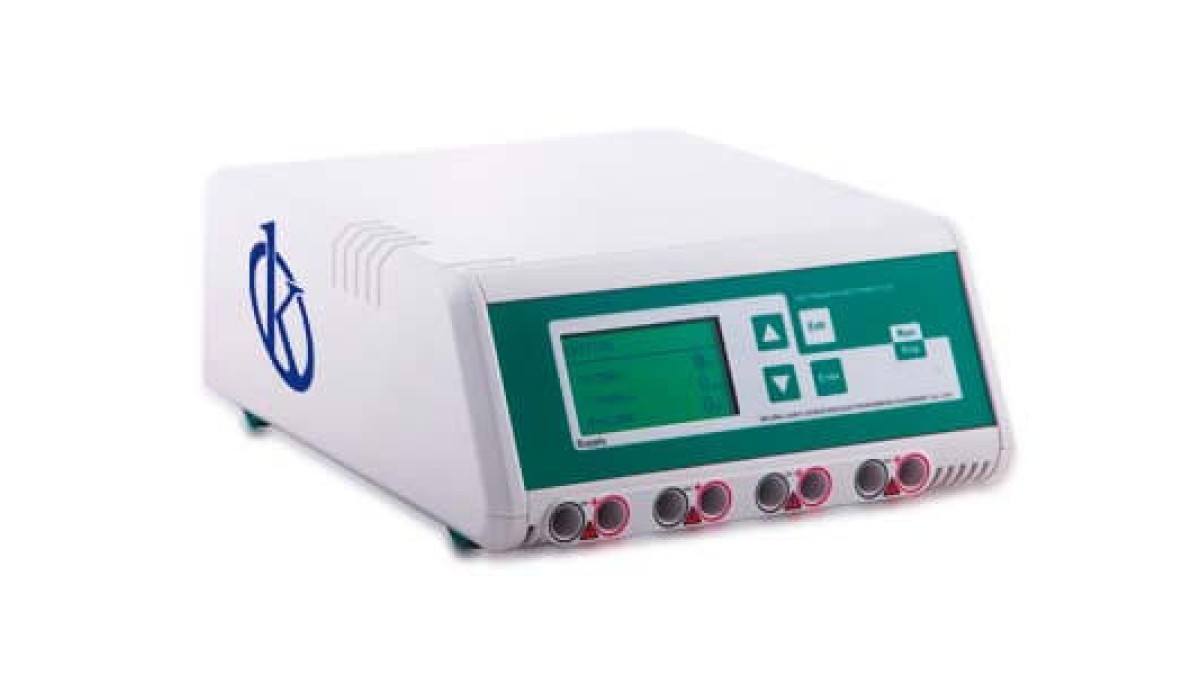

Universal Power Supply: Practical Step-by-Step Usage Guide 2026
The Universal Power Supply is an essential tool in laboratories, enabling versatile power management for various applications. Its advanced features cater to the evolving needs of scientific research and experimentation. In this guide, we will explore its applications, history, step-by-step usage, and best practices for 2026.
What is it used for in 2026
In 2026, the Universal Power Supply plays a critical role in a variety of laboratory environments. It is primarily used for providing stable and adjustable power to various electronic devices and experiments. This includes applications in electrophoresis, sample preparation, and powering sensors and instrumentation. Laboratory professionals rely on its ability to maintain precise voltage and current settings, ensuring accurate and repeatable results.
History and evolution of the technology
The technology behind Universal Power Supplies has evolved significantly over the years. Initially, these devices were simple linear power supplies, providing basic electrical functions with limited control. With advancements in semiconductor technology and microprocessor capabilities, modern Universal Power Supplies now offer enhanced features such as digital displays, programmable settings, and safety mechanisms. This evolution has led to greater efficiency and functionality, making them indispensable in laboratories today.
How to use it step by step
Using a Universal Power Supply in the laboratory involves a few straightforward steps. Here’s a practical approach to ensure effective usage:
- Set Up the Device: Place the power supply on a stable surface. Connect it to a suitable power source and ensure all safety measures are in place.
- Connect Output Leads: Attach the output leads to the device or experiment you intend to power. Ensure correct polarity to avoid damage.
- Configure Settings: Use the touch keys or digital controls to set your desired output voltage, current, or power. Refer to the specific requirements of your application.
- Monitor Outputs: Once the settings are configured, turn on the power supply and monitor the output readings on the LCD display to ensure they match your requirements.
- Conduct Your Experiment: Proceed with your experiment or procedure, keeping an eye on the readings to maintain desired parameters.
- Shutdown Process: After completing your work, turn off the device and carefully disconnect the leads. Store the power supply safely to prevent damage.
Best techniques and protocols
Implementing best practices when using a Universal Power Supply can significantly enhance the reliability and safety of laboratory procedures. Here are some recommended techniques:
- Always consult the user manual for specific operational protocols related to the model in use.
- Regularly calibrate the device to maintain accuracy in voltage and current outputs.
- Establish a routine check for any signs of wear or malfunction before conducting experiments.
- Use appropriate fuses and circuit breakers to protect the power supply from overloads.
- Train all personnel on safe operating procedures to prevent accidents or misuse of the equipment.
Practical applications by laboratory type
The Universal Power Supply is utilized across various laboratory types for diverse applications:
- Clinical Laboratories: Used for powering diagnostic instruments and performing electrophoresis for sample analysis.
- Research Laboratories: Ideal for experiments requiring precise power specifications, often in physics and chemistry experiments.
- Educational Institutions: Facilitates learning by providing stable power for experiments in physics and engineering courses.
- Industrial Laboratories: Supports quality control processes by powering testing equipment and instrumentation.
Regulations, standards and certifications
When operating Universal Power Supplies, it is crucial to adhere to relevant regulations and standards. In many regions, these devices must comply with safety and electromagnetic compatibility standards such as:
- IEC 61010 for safety requirements for electrical equipment for measurement, control, and laboratory use.
- ISO 9001 for quality management systems and ensuring consistent product quality.
- CE marking in the European market, indicating conformity with health, safety, and environmental protection standards.
Comparison with alternative technologies
While Universal Power Supplies are versatile and efficient, there are alternative technologies available:
- Linear Power Supplies: Provide stable power but are less efficient and generate more heat compared to switch-mode power supplies.
- Switch-Mode Power Supplies (SMPS): More efficient and compact; however, they may introduce electrical noise that can affect sensitive experiments.
- Batteries and UPS Systems: Useful for portable applications but may not provide the same reliability and longevity as Universal Power Supplies.
Comparison of available models
| Model | Best for | Key specs | Recommended use case |
|---|---|---|---|
| YR03400-2 | High current applications | 10-600 V, 1-500 mA, 1-300 W | Powering electrophoresis experiments |
| YR03396-2 | Standard laboratory use | 5-300 V, 1-400 mA, 1-120 W | General electronic applications |
| YR03395-2 | Robust current supply | 5-200 V, 1-2000 mA, 1-200 W | High-demand power requirements |
| YR03397-2 | Medium to high current needs | 5-300 V, 1-1500 mA, 1-450 W | Electrophoresis and testing |
| YR03398-2 | Versatile lab applications | 10-600 V, 1-500 mA, 1-300 W | Sample preparations and calibrations |
| YR03399-2 | Flexible applications | 10-600 V, 1-500 mA, 1-300 W | Various electronic devices |
Common mistakes and how to avoid them
Lab professionals may encounter several common mistakes while using Universal Power Supplies. Here are some tips to avoid these pitfalls:
- Always double-check connections to prevent short circuits or incorrect polarity.
- Do not exceed the specified output ratings, as this could damage the equipment or affect results.
- Neglecting regular maintenance and calibration can lead to inaccurate outputs.
- Using the wrong settings for experiments can compromise data integrity. Always refer to the necessary protocols.
Maintenance, calibration and good practices 2026
To ensure longevity and accuracy of Universal Power Supplies, implement a routine maintenance and calibration schedule:
- Calibrate the device at least every six months or before critical experiments.
- Inspect power cables and connectors for wear and replace them if necessary.
- Keep the device clean and free from dust accumulation, which can affect performance.
- Document all maintenance activities to track device history and reliability.
Cost-benefit analysis 2026
When considering the purchase of a Universal Power Supply, conduct a cost-benefit analysis to assess its value:
- Evaluate the initial purchase cost against the potential productivity gains in laboratory work.
- Consider long-term savings from reduced maintenance and repair costs due to high-quality components.
- Analyze the versatility of the power supply and its capacity to handle multiple applications, justifying the investment.
Frequently asked questions
What should I consider when choosing a Universal Power Supply for my lab?
Consider the maximum voltage and current requirements of your applications, the number of outputs needed, and any specific features like programmability and safety functions.
How do I know if my Universal Power Supply needs calibration?
If you notice discrepancies in output readings or it has been six months since the last calibration, it’s advisable to calibrate your device.
Can I use a Universal Power Supply for any laboratory equipment?
While Universal Power Supplies are versatile, you must ensure it meets the voltage and current specifications of the equipment you intend to power.
What are the safety precautions I should take when using a Universal Power Supply?
Always adhere to the user manual, avoid exceeding rated limits, and ensure all connections are secure before powering on the device.
How can I prolong the lifespan of my Universal Power Supply?
Regular maintenance, calibration, and proper usage as per guidelines significantly contribute to extending the lifespan of your device.
What are the benefits of using a Universal Power Supply in laboratory settings?
The benefits include versatility, stable power output, advanced features for precision, and the ability to handle multiple applications effectively.
If you are looking for a fusion of innovation and quality, you have come to the right place. At Kalstein, we offer you the luxury of exploring our exclusive catalog of laboratory equipment. We manufacture every device to the highest standards of excellence. Our intuitive and seamless online purchasing channels are designed for your convenience, securing the most competitive prices. Hesitate no longer — we bring science to life, it is time to become part of our community.