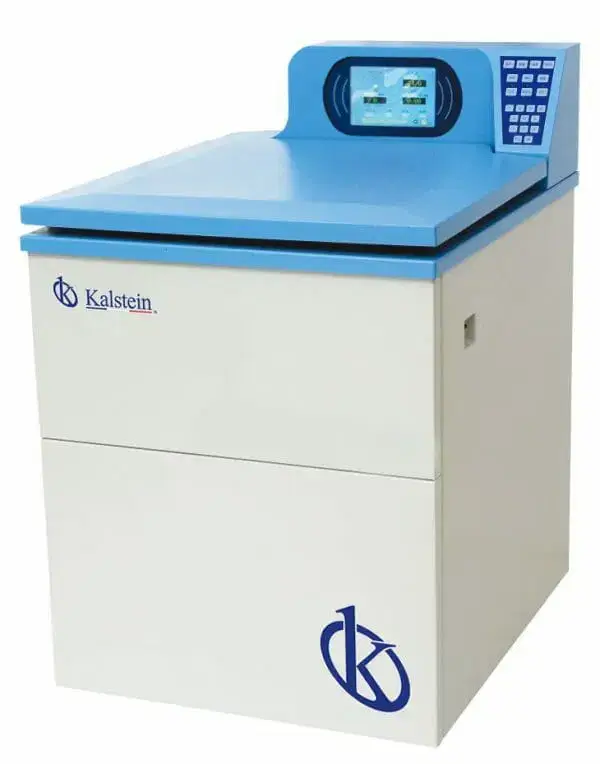
Understanding the Scientific Principles Behind the YR0111-4-1-1 Centrifuge
The YR0111-4-1-1 centrifuge is a sophisticated device designed for precise separation of samples in various laboratory settings. This article aims to delve into the scientific principles that underpin its operation, ensuring you have a comprehensive understanding of how to maximize its capabilities.
Principle of Operation
The YR0111-4-1-1 centrifuge operates based on the principle of centrifugal force. When the rotor spins at high speeds, a force is exerted on the mixtures, causing the denser substances to move outward while lighter components remain near the center. This separation process is crucial in various applications, ranging from clinical diagnostics to research laboratories.
The mathematical foundation of this operation is articulated by the formula for centrifugal force, F = mω²r, where F is the centrifugal force, m is the mass of the sample, ω is the angular velocity, and r is the radius of rotation. Understanding this equation helps in selecting appropriate operational speeds and rotor types for specific applications.
Technical Specifications of the YR0111-4-1-1
| Model | Brand | Category | Price (USD) | Weight (kg) | Dimensions | Package Size |
|---|---|---|---|---|---|---|
| YR0111-4-1-1 | Kalstein | Centrifuges | 537.00 | 5 | - | 0 x 0 x 0 |
Centrifugal Force Design Choices
The design of the YR0111-4-1-1 is specifically tailored to optimize the centrifugal force exerted during operation. The rotor is engineered for balanced loading to prevent vibration and ensure consistent results across various sample types. The advanced materials used in the rotor construction also enhance durability and resistance to chemical damage, prolonging the operational life of the centrifuge.
Another key aspect of its design includes the safety features integrated into the centrifuge, such as automatic lid lock mechanisms and imbalance detection systems. These features ensure that the centrifuge operates safely and effectively, safeguarding both the equipment and personnel.
Comparison with Alternative Working Principles
While the centrifugal force principle is prevalent, other separation techniques exist, such as sedimentation and filtration. However, centrifugation is often favored for its speed and efficiency in separating mixtures with close density ranges. In contrast, sedimentation can take a significantly longer time, and filtration may not be effective for all sample types.
For example, in a clinical setting where rapid separation of blood components is critical, the YR0111-4-1-1 outperforms sedimentation methods by providing quick access to serum and plasma. This capability is indispensable for time-sensitive diagnostic tests.
Use Cases in Laboratory Settings
The YR0111-4-1-1 is widely utilized in various laboratory environments including clinical, research, and educational settings. In clinical labs, it is employed for the separation of blood components for various tests, allowing for timely patient diagnoses. In research, it assists in the preparation of samples for molecular biology applications, such as DNA extraction and purification.
Moreover, educational environments benefit from the YR0111-4-1-1 by providing students with hands-on experience in centrifugation techniques, fostering an understanding of fundamental laboratory practices.
Frequently Asked Questions
What are the key features of the YR0111-4-1-1 centrifuge?
The YR0111-4-1-1 centrifuge features high-speed operation, a robust rotor design, safety mechanisms, and compatibility with various sample types, making it suitable for numerous applications in clinical and research laboratories.
How can I optimize the performance of my YR0111-4-1-1 centrifuge?
To optimize performance, ensure that you balance sample loads appropriately, select the correct rotor and speed settings for your specific samples, and perform regular maintenance checks to ensure reliability and longevity.
What types of samples can the YR0111-4-1-1 handle?
The YR0111-4-1-1 is designed to handle a variety of sample types, including blood, serum, plasma, urine, and various biological fluids, making it a versatile tool in laboratory settings.
Is the YR0111-4-1-1 suitable for research applications?
Yes, the YR0111-4-1-1 is highly suitable for research applications. It can be used in molecular biology for DNA and RNA separation as well as in biochemistry for protein analysis and purification.
What safety features are included in the YR0111-4-1-1?
Safety features of the YR0111-4-1-1 include an automatic lid lock, imbalance detection, and emergency stop functions, which help ensure safe operation during use.
How does the YR0111-4-1-1 compare with other centrifuge models?
Compared to other centrifuge models, the YR0111-4-1-1 offers a unique combination of speed, efficiency, and durability, making it ideal for both clinical and research applications where reliability is paramount.
If you are looking for a fusion of innovation and quality, you have come to the right place. At Kalstein, we offer you the luxury of exploring our exclusive catalog of laboratory equipment. We manufacture every device to the highest standards of excellence. Our intuitive and seamless online purchasing channels are designed for your convenience, securing the most competitive prices. Hesitate no longer — we bring science to life, it is time to become part of our community.