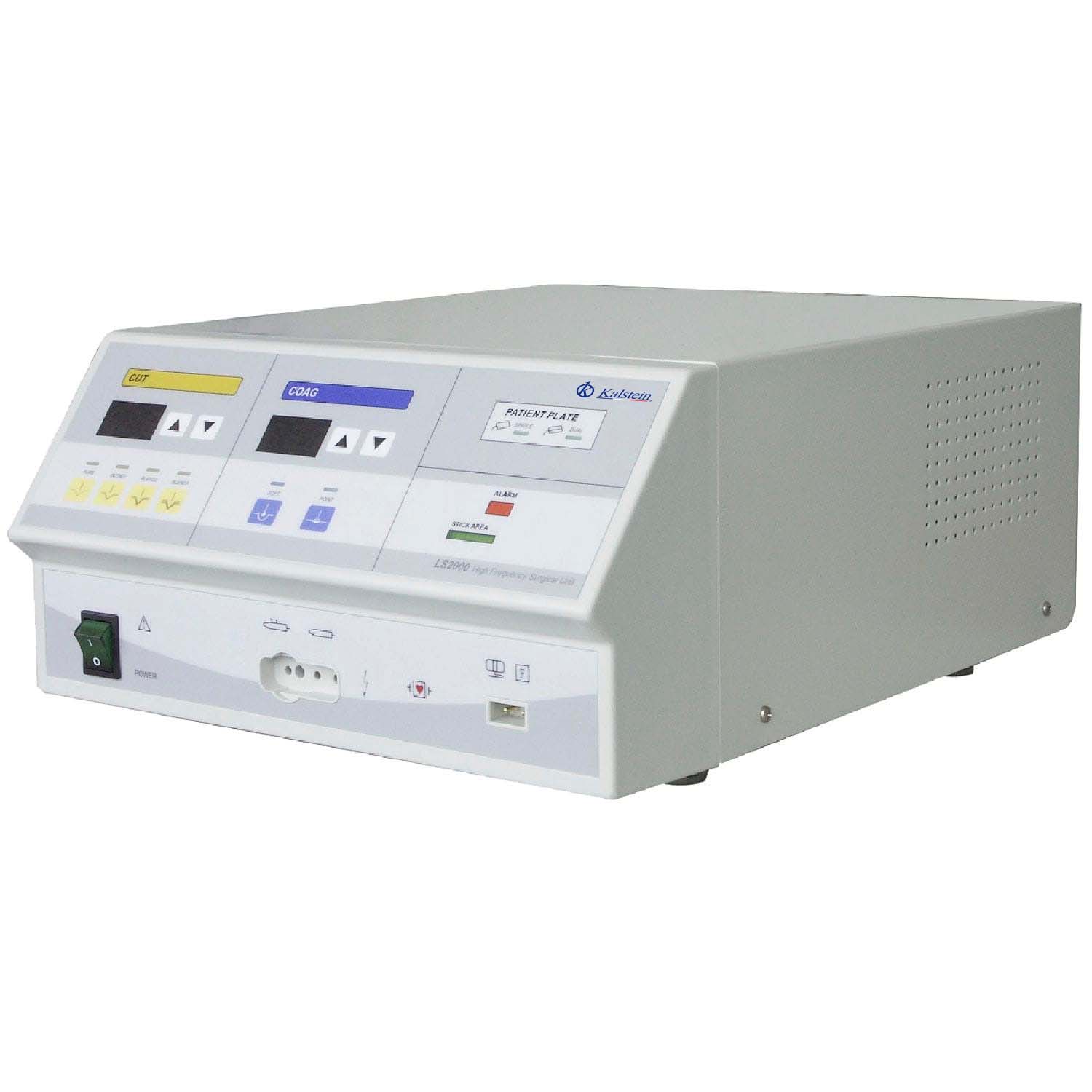
Understanding Results Interpretation and Measurement Reading with YR02149 Electrosurgical Generator
The YR02149 Electrosurgical Generator is not just a tool; it is a pivotal instrument in surgical environments where precision and reliability are paramount. Understanding how to interpret results and read measurements effectively can significantly enhance surgical outcomes. This article aims to provide detailed insights into the functionalities of the YR02149, focusing on its application in clinical settings and the interpretation of its output measurements.
Overview of the YR02149 Electrosurgical Generator
The YR02149 is designed with a compact and lightweight framework, offering seven operational modes that cater to diverse surgical tasks. The operational modes include:
- Monopolar Cut: Pure cut, Blend 1, Blend 2
- Monopolar Coagulation: Fulgurate Coag, Spray Coag
- Bipolar Cut and Coagulation: Both modes effectively fulfill varied surgical requirements.
The built-in tissue monitoring technology is a standout feature, allowing for real-time assessment of tissue density. This capability is especially crucial in procedures such as polypectomy and papilotomy, where the generator intelligently adjusts the cutting intervals and coagulation pauses based on the tissue density.
Technical Specifications of YR02149
| Specification | Value |
|---|---|
| Model | YR02149 |
| Max Power / Rated Load | 1400VA |
| Monopolar Cut | Pure Cut: 120W / 500Ω, Blend 1: 90W / 500Ω, Blend 2: 80W / 500Ω |
| Monopolar Coagulation | Fulgurate Coag: 60W / 500Ω, Spray Coag: 40W / 500Ω |
| Bipolar Cut | 60W / 100Ω |
| Bipolar Coagulation | 60W / 100Ω |
| Monopolar Measuring Frequency | 4.0MHz ± 2% |
| Bipolar Measuring Frequency | 1.84MHz ± 2% |
| Environmental Conditions | Temperature: 50°C to 40°C, Relative Humidity: ≤ 95% non-condensing, Pressure: 700 hPa to 1060 hPa |
Interpreting Measurement Readings
Understanding how to interpret the readings from the YR02149 is crucial for effective operation. Here are some key aspects to consider when interpreting results:
- Power Settings: Knowing the power settings such as Pure Cut or Blend is essential as they dictate the cutting efficacy and tissue response.
- Coagulation Readings: Different coagulation modes (Fulgurate and Spray) offer varied thermal effects and should be selected based on the tissue type.
- Tissue Density Feedback: The YR02149’s tissue monitoring technology provides real-time feedback, allowing adjustments to be made based on tissue density observed during the procedure.
Common Misinterpretations and How to Avoid Them
Misinterpretations of measurement readings can lead to adverse surgical outcomes. Here are common pitfalls and tips to avoid them:
- Confusing Power Modes: Ensure a clear understanding of when to switch between different power modes, particularly during complex procedures.
- Ignoring Tissue Feedback: Always pay close attention to the feedback provided by the generator regarding tissue density; it is critical for optimal performance.
- Assuming Consistent Results: Remember that different tissues may respond differently; adjust settings accordingly based on consistent monitoring.
Measurement Units and Normal Ranges
It is vital to be familiar with the measurement units used by the YR02149:
- Power Output: Measured in Watts, indicating the energy delivered during the cutting or coagulation process.
- Resistance: Measured in Ohms, indicating the tissue resistance encountered during the procedure.
- Frequency: Measured in Megahertz (MHz), crucial for understanding the operational parameters of the generator.
Frequently Asked Questions
What operational modes does the YR02149 Electrosurgical Generator offer?
The YR02149 offers seven operational modes including Monopolar Cut (Pure Cut, Blend 1, Blend 2), Monopolar Coagulation (Fulgurate Coag, Spray Coag), and Bipolar Cut and Coagulation, providing versatility for various surgical needs.
How does the tissue monitoring technology work in the YR02149?
The tissue monitoring technology assesses the density of the tissue in real-time, automatically adjusting the cut and coagulation intervals to enhance the surgical precision and minimize thermal damage.
What are the recommended settings for different types of tissues?
Power settings should be adjusted based on the tissue type; for example, higher settings may be used for denser tissues, while lighter settings may be ideal for more delicate tissues to prevent unnecessary damage.
How can errors in reading measurements be corrected?
To correct errors in measurement readings, recalibrate the generator as per the manufacturer's guidelines, ensure proper electrode placement, and always cross-verify readings against standard operational protocols.
What are the environmental conditions required for the YR02149?
Ideal operational conditions include a temperature range of 50°C to 40°C, relative humidity of ≤ 95% non-condensing, and pressure between 700 hPa to 1060 hPa to ensure optimal performance.
How can I ensure the longevity of the YR02149 Electrosurgical Generator?
Regular maintenance and compliance with operational protocols, such as adhering to recommended service intervals and proper handling during surgical procedures, can significantly enhance the lifespan of the YR02149.
Where can I request a quote for the YR02149 Electrosurgical Generator?
You can request a quote on Kalstein Plus for the YR02149 Electrosurgical Generator through their dedicated channels on the platform.
If you are looking for a fusion of innovation and quality, you have come to the right place. At Kalstein, we offer you the luxury of exploring our exclusive catalog of laboratory equipment. We manufacture every device to the highest standards of excellence. Our intuitive and seamless online purchasing channels are designed for your convenience, securing the most competitive prices. Hesitate no longer — we bring science to life, it is time to become part of our community.