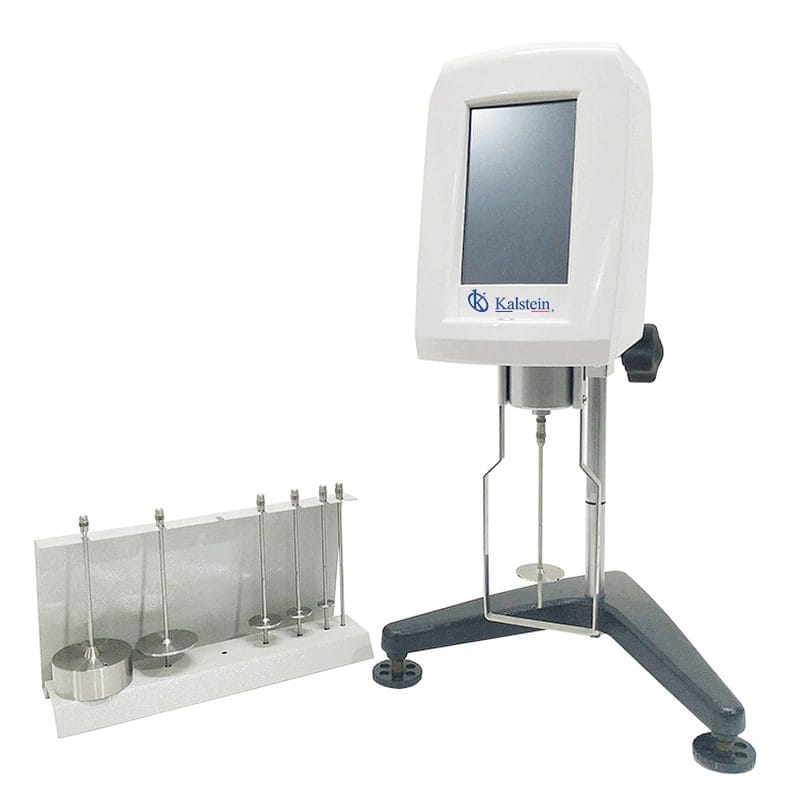
Understanding the Operating Principle and Scientific Foundations of the YR05864 Brookfield Viscometer
The YR05864 Brookfield Viscometer stands as a critical instrument in laboratories for measuring the viscosity of various fluids. This article aims to dissect its operating principles and the scientific foundations that optimize its functionality. Understanding how this device works not only aids in better operation but also enhances the quality of measurements obtained.
Operating Principle of the YR05864
The YR05864 functions based on the principles of rotational viscometry, which involves measuring the torque required to rotate a spindle at a specified speed within the fluid being tested. The viscometer uses a spindle that rotates in the sample fluid, and the resistance the fluid provides against the spindle's rotation is measured as viscosity.
This device operates under the assumption that a Newtonian fluid's viscosity remains constant regardless of the applied shear rate, allowing for straightforward calculations. The principle can be expressed mathematically through the equation:
V = τ / γ
Where V is the viscosity, τ is the torque required to turn the spindle, and γ represents the shear rate. The YR05864 effectively translates this relationship into readable measurements, making it essential in applications where viscosity control is paramount.
Key Features of the YR05864
| Feature | Description |
|---|---|
| Measurement Range | 1-100,000 Cps/Mpa.s |
| Spindles | 0, 1, 2, 3, 4 |
| Speed of Rotation | 6, 12, 30, 60 rpm/min. |
| Measurement Accuracy | ±2% |
| Repeatability | ±1% |
| Display | 5-inch full-color touchscreen |
Scientific Foundations Behind the Design Choices
The YR05864 features an advanced design that ensures high precision and accuracy in viscosity measurement. The choice of a torque-based measurement system is crucial as it allows the device to accommodate a wide variety of fluids, from low-viscosity liquids to highly viscous substances.
The automatic detection system incorporated into the YR05864 enhances user experience by minimizing human error during operation. This automated approach is rooted in the scientific principle of reproducibility, ensuring consistent results across different measurements.
Comparative Analysis of Rotational Viscometry
When comparing rotational viscometry to other forms of viscosity measurement, such as capillary or falling ball viscometry, the YR05864 offers distinct advantages. Unlike capillary viscometers, which are limited to Newtonian fluids, the YR05864 can also handle non-Newtonian fluids, providing a broader application spectrum.
Additionally, unlike falling ball viscometers, which require longer measurement times, the YR05864 delivers rapid assessments, leading to enhanced productivity in laboratory settings.
Interpreting Viscosity Measurements
Reading viscosity measurements from the YR05864 requires an understanding of the units involved. The device measures viscosity in centipoise (Cps) or millipascal-seconds (Mpa.s). A typical interpretation involves recognizing the fluid type and understanding its behavior under various temperatures.
For instance, oil viscosity can decrease with temperature, so operators should refer to fluid-specific viscosity-temperature charts to interpret the readings accurately. This understanding is critical to ensure that the fluids meet the required specifications for their intended applications.
Common User Concerns and Solutions
Operators may encounter various issues while using the YR05864. Below is a table summarizing common user symptoms, probable causes, and solutions.
| Symptom | Probable Cause | Solution |
|---|---|---|
| Device does not power on | Power supply failure | Check power connections and ensure the device is plugged in. |
| Error code E-03 | Calibration required | Perform recalibration following the manual instructions. |
| Inconsistent readings | Spindle selection issue | Ensure the correct spindle is being used for the fluid's viscosity range. |
Frequently Asked Questions
What is the maximum viscosity range that the YR05864 can measure?
The YR05864 can measure viscosities up to 100,000 Cps, making it suitable for a wide variety of liquids.
How often should I calibrate my YR05864 Brookfield Viscometer?
It is recommended to calibrate the YR05864 regularly, ideally after every 100 measurements or whenever you change the type of fluid being measured.
Can the YR05864 handle non-Newtonian fluids?
Yes, the YR05864 is designed to measure both Newtonian and non-Newtonian fluids effectively, allowing for broader application in various industries.
What are the common applications of the YR05864?
The YR05864 is commonly used in industries such as food, pharmaceuticals, cosmetics, and chemical manufacturing for quality control and product development.
What maintenance is required for the YR05864?
Regular maintenance includes cleaning the spindles after each use, checking for wear, and ensuring that the device is stored in a dust-free environment.
Is it possible to use the YR05864 for high-temperature fluids?
Yes, the YR05864 can accommodate high-temperature fluids, but ensure that the specified temperature limits of the device are not exceeded to maintain accuracy.
Conclusion
Understanding the operating principles and scientific foundations behind the YR05864 Brookfield Viscometer is essential for effective operation and accurate viscosity measurement. With its advanced features and capabilities, this instrument is invaluable in a variety of scientific and industrial applications.
If you are looking for a fusion of innovation and quality, you have come to the right place. At Kalstein, we offer you the luxury of exploring our exclusive catalog of laboratory equipment. We manufacture every device to the highest standards of excellence. Our intuitive and seamless online purchasing channels are designed for your convenience, securing the most competitive prices. Hesitate no longer — we bring science to life, it is time to become part of our community.