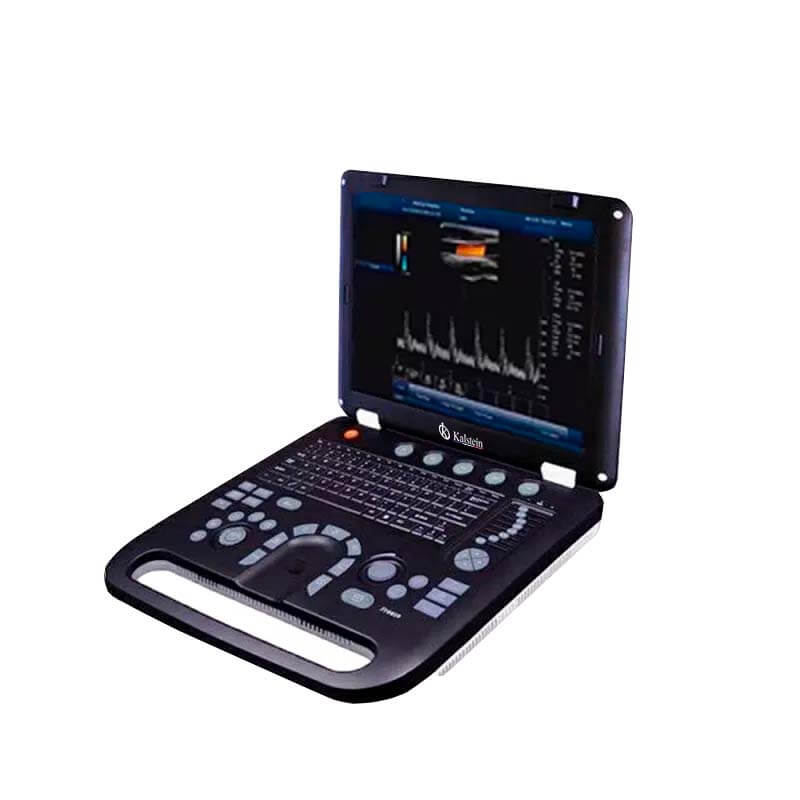
Ultrasonic Color Doppler Diagnostic Systems: Best Techniques and Protocols 2026
What is it used for in 2026
In 2026, Ultrasonic Color Doppler Diagnostic Systems are primarily used in various medical fields such as cardiology, obstetrics, urology, and vascular studies. These systems provide real-time visualization of blood flow and help diagnose a range of conditions by assessing the health of organs and blood vessels.
History and evolution of the technology
The technology behind Ultrasonic Color Doppler has evolved tremendously from its inception. Initially, Doppler ultrasound was limited to basic imaging capabilities. Over the decades, advancements have led to high-resolution imaging, enhanced color flow mapping, and the introduction of portable devices, making these systems more accessible in various healthcare settings.
How to use it step by step
Using an Ultrasonic Color Doppler Diagnostic System involves several steps:
- Preparation: Ensure the equipment is properly calibrated and connected to power sources.
- Patient Setup: Position the patient comfortably and apply gel to the area of interest to enhance sound wave transmission.
- Probe Selection: Select the appropriate probe based on the specific diagnostic needs.
- Image Acquisition: Start the examination by moving the probe over the targeted area and capturing images and Doppler data.
- Data Analysis: Analyze the captured images and Doppler flow maps for diagnostic insights.
- Report Generation: Save the images and data, then generate a report for clinical review.
Best techniques and protocols
Best practices for using Ultrasonic Color Doppler systems include:
- Regular calibration of the equipment to ensure accuracy.
- Proper patient positioning to reduce movement and enhance imaging.
- Using appropriate gel to improve signal quality.
- Implementing a systematic approach to image acquisition, ensuring all necessary views are captured.
- Utilizing advanced features such as automatic measurements and templates for consistency and efficiency.
Practical applications by laboratory type
Different laboratories utilize Ultrasonic Color Doppler systems for various applications:
- Cardiology Labs: Assess heart conditions and blood flow abnormalities.
- Obstetrics Clinics: Monitor fetal health and complications during pregnancy.
- Urology Centers: Evaluate the vascular conditions of kidneys and bladder.
- Pediatric Units: Diagnose congenital heart defects and vascular conditions in infants.
Regulations, standards and certifications
Compliance with local and international regulations is crucial for the operation of Ultrasonic Color Doppler systems. In the United States, the FDA regulates these devices, ensuring they meet safety and efficacy standards. Additionally, certifications such as ISO 13485 for quality management systems in medical devices are essential for manufacturers.
Comparison with alternative technologies
While Ultrasonic Color Doppler systems are widely used, alternative technologies include MRI and CT scans. Unlike Doppler ultrasound, these techniques provide detailed anatomical views but are often more expensive and involve more extensive preparation. Doppler ultrasound remains favored for its real-time imaging and ease of use.
Comparison of available models
| Model | Best for | Key specs | Recommended use case |
|---|---|---|---|
| YR05148 | Cardiology, Vascular | 15' LED display, Multi-language, DICOM 3.0 | General diagnostic imaging, vascular studies |
| YR05149 | Obstetrics, Gynecology | 15' LED display, 4 transducer ports | Fetal monitoring and assessments |
| YR05150 | Pediatrics, Small Parts | 15' color display, Portable | Pediatric evaluations and vascular studies |
| YR05151 | General Use | 15' color display, PC-based | Various diagnostic applications |
| YR05152 | Cardiac Testing | 15' LED display, 4D imaging | Cardiac assessments and monitoring |
| YR05153 | Portable Diagnostic | 15' color display, Lightweight | Field use and remote diagnostics |
Common mistakes and how to avoid them
Common mistakes in using Ultrasonic Color Doppler systems include:
- Incorrect probe selection: Always choose the right probe based on the examination type.
- Poor gel application: Ensure adequate gel is used to avoid air pockets that may distort images.
- Neglecting calibration: Regularly calibrate equipment to maintain accuracy.
- Lack of patient communication: Explain the procedure to the patient to minimize movements.
Maintenance, calibration and good practices 2026
For optimal performance, Ultrasonic Color Doppler systems should undergo regular maintenance and calibration, including:
- Weekly cleaning of probes and surfaces.
- Monthly checks for software updates.
- Annual calibration by certified technicians.
Cost-benefit analysis 2026
In 2026, the cost-benefit analysis of integrating Ultrasonic Color Doppler systems reflects their affordability compared to alternative imaging modalities. These systems are less expensive to purchase and maintain, while providing essential diagnostic capabilities that enhance patient care.
Frequently asked questions
What should I consider when choosing an Ultrasonic Color Doppler system?
Consider factors such as the system's imaging capabilities, portability, ease of use, and specific applications required in your medical field.
How often should Ultrasonic Color Doppler systems be calibrated?
It is recommended to calibrate the systems at least once a year, though more frequent calibration may be needed depending on usage and regulations.
Can Ultrasonic Color Doppler be used for all patients?
While it is suitable for most patients, specific considerations may apply based on the patient's condition and the area being assessed.
What training is required for staff using these systems?
Staff should receive training on operational protocols, image interpretation, and safety standards specific to Doppler ultrasound technology.
Are there any risks associated with using Ultrasonic Color Doppler systems?
When used correctly, there are minimal risks. However, improper use may lead to misdiagnosis or equipment damage.
What types of reports can be generated from Doppler ultrasound data?
Reports typically include quantitative data on blood flow characteristics, images, and recommendations for further diagnostics.
How can I request a quote for purchasing a system?
You can easily request a quote by contacting our sales team with your requirements, and we will provide you with the best options available.
If you are looking for a fusion of innovation and quality, you have come to the right place. At Kalstein, we offer you the luxury of exploring our exclusive catalog of laboratory equipment. We manufacture every device to the highest standards of excellence. Our intuitive and seamless online purchasing channels are designed for your convenience, securing the most competitive prices. Hesitate no longer — we bring science to life, it is time to become part of our community.