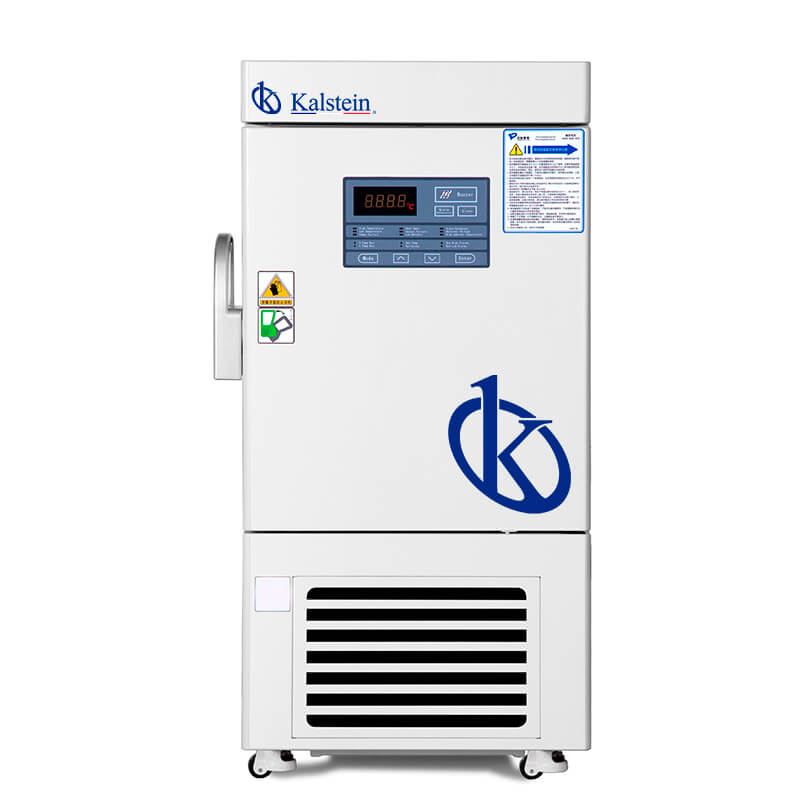
Ultra Freezers: Practical Applications and Techniques 2026
Ultra freezers are critical equipment in modern laboratories, particularly for the storage of biological specimens. These devices are designed to maintain extremely low temperatures, essential for preserving sensitive materials such as viruses, cells, and blood components. In this article, we will explore the various applications, historical developments, operational protocols, best practices, and more related to ultra freezers.
What is it used for in 2026
In 2026, ultra freezers are primarily employed in clinical and hospital laboratories for the long-term storage of various biological products. They are essential in blood banks, epidemic prevention services, research institutes, and more. The capacity to maintain temperatures between -40°C to -86°C allows these freezers to safeguard the integrity of biological samples, preventing degradation and ensuring reliability in research and medical applications.
History and evolution of the technology
The technology behind ultra freezers has evolved significantly since their inception. Initially developed for basic laboratory needs, advancements in refrigeration technology and materials science have led to improved efficiency, reliability, and safety features. Early models struggled with temperature consistency, but modern ultra freezers incorporate sophisticated controls, monitoring systems, and alarms that enhance both usability and safety for sensitive materials.
How to use it step by step
- Preparation: Ensure the ultra freezer is located in an optimal environment, away from heat sources and direct sunlight.
- Power On: Switch on the ultra freezer and allow it to reach the desired temperature before loading any samples.
- Loading Samples: Organize samples in suitable containers, ensuring they are sealed properly to prevent contamination.
- Monitoring: Regularly check the temperature display and alarms to ensure the freezer maintains the required temperature.
- Maintenance: Follow recommended maintenance protocols, including defrosting and cleaning, to ensure optimal performance.
Best techniques and protocols
When utilizing ultra freezers, laboratory personnel should adhere to best practices including:
- Sample Identification: Clearly label all samples with relevant information such as date, type, and owner.
- Temperature Logs: Keep detailed logs of temperature readings and any incidents of fluctuations.
- Regular Checks: Conduct routine checks to confirm the integrity of the freezer's operation and immediate correction of any issues.
Practical applications by laboratory type
Ultra freezers find applications across various laboratory settings:
- Blood Banks: For storing blood products and ensuring viability for transfusions.
- Research Laboratories: For preserving biological samples used in experimentation and research.
- Epidemic Prevention Services: For maintaining viral samples and other pathogens that require stringent temperature controls.
Regulations, standards and certifications
Compliance with relevant regulations such as the FDA and ISO standards is crucial for laboratories using ultra freezers. These regulations often mandate specific temperature requirements, safety protocols, and maintenance guidelines to ensure the reliability of stored biological materials.
Comparison with alternative technologies
While ultra freezers are specialized for extreme temperature control, alternative technologies like standard freezers and liquid nitrogen storage also exist. However, these alternatives may not achieve the same low temperatures or reliability, making ultra freezers the preferred choice for sensitive biological materials.
Comparison of available models
| Model | Best for | Key specs | Recommended use case |
|---|---|---|---|
| YR05106 | Long-term storage of various biological products | -40°C to -86°C, 5.6 kWh/24h | Blood banks and research institutes |
| YR05107 | Ideal for specialized laboratories | -40°C to -86°C, 8.2 kWh/24h | Medical and research applications |
| YR05108 | Versatile sample preservation | -40°C to -86°C, 12 kWh/24h | Research settings requiring high reliability |
| YR05109 | High-volume storage requirements | -40°C to -86°C, 16.5 kWh/24h | Large-scale research facilities |
| YR05110 | Long-term biological storage | -40°C to -86°C, 20 kWh/24h | Blood and tissue banks |
| YR05111 | Secure storage for sensitive materials | -40°C to -86°C, 18.8 kWh/24h | Clinical and research laboratories |
Common mistakes and how to avoid them
Laboratories should avoid typical pitfalls such as:
- Improper Loading: Overloading the freezer can impede airflow, leading to temperature inconsistencies. Always adhere to capacity limits.
- Neglecting Maintenance: Failing to perform regular maintenance can lead to malfunctions. Schedule routine checks to ensure optimal performance.
- Ignoring Temperature Alarms: Take immediate action if alarms sound. Ignoring them can compromise stored samples.
Maintenance, calibration and good practices 2026
To ensure the longevity and reliability of ultra freezers:
- Regular Cleaning: Maintain cleanliness inside the freezer and in surrounding areas.
- Calibration Checks: Regularly calibrate the temperature settings to ensure accuracy.
- Documentation: Keep thorough records of maintenance work and repairs for future reference.
Cost-benefit analysis 2026
Investing in an ultra freezer can be substantial, but the benefits often outweigh the costs. The preservation of valuable biological samples can prevent loss and costly replacements. Additionally, the efficiencies gained through reliable storage reduce waste and enhance laboratory productivity.
Frequently asked questions
What is the ideal temperature range for ultra freezers?
The ideal temperature range for ultra freezers is typically between -40°C to -86°C, which is essential for preserving biological materials effectively.
How often should I calibrate my ultra freezer?
It is recommended to calibrate your ultra freezer at least once a year or more frequently if it experiences any temperature fluctuations.
What are the safety features of modern ultra freezers?
Modern ultra freezers include safety alarms for power failure, temperature deviations, and sensor errors to ensure the integrity of stored samples.
How should samples be organized within the ultra freezer?
Samples should be organized by type and labeled clearly to avoid confusion. Ensure proper spacing for airflow and temperature uniformity.
Can ultra freezers be used for non-biological materials?
While ultra freezers are designed for biological materials, they can also accommodate non-biological items requiring similar temperature conditions, but this should be carefully considered.
What is the average lifespan of an ultra freezer?
The average lifespan of an ultra freezer can range from 10 to 15 years, depending on usage, maintenance, and model quality.
How should I handle power outages with my ultra freezer?
Ensure that your ultra freezer is connected to a reliable power source and consider using backup generators to maintain temperature during outages.
If you are looking for a fusion of innovation and quality, you have come to the right place. At Kalstein, we offer you the luxury of exploring our exclusive catalog of laboratory equipment. We manufacture every device to the highest standards of excellence. Our intuitive and seamless online purchasing channels are designed for your convenience, securing the most competitive prices. Hesitate no longer — we bring science to life, it is time to become part of our community.