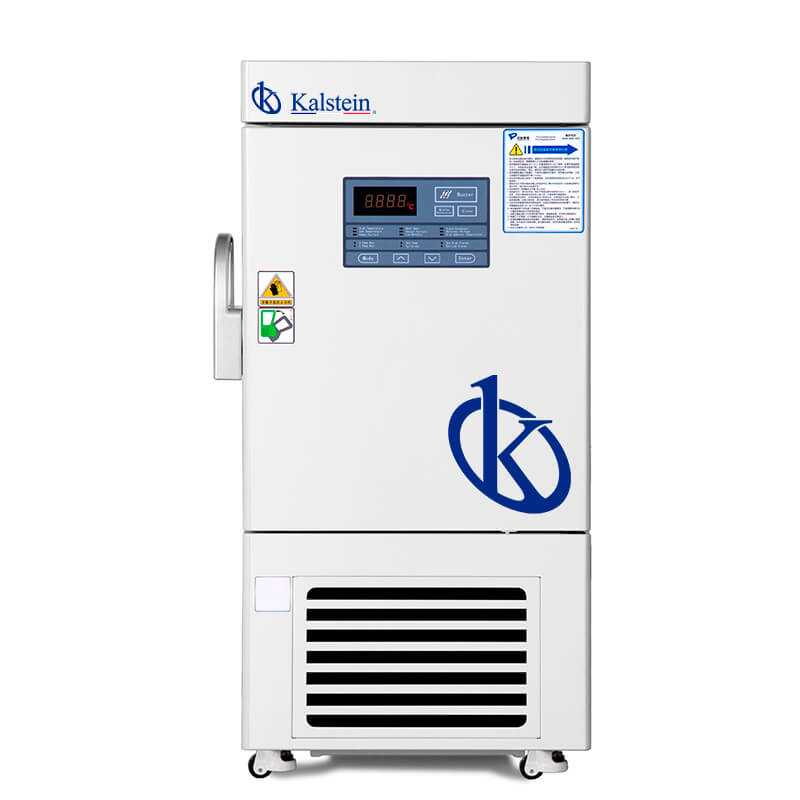
How Ultra Freezers Support Academic Research Projects and University Use Cases
Ultra freezers play a critical role in academic and university research projects by providing reliable long-term storage for biological samples. The preservation of sensitive substances such as viruses, bacteria, and cellular materials at extreme low temperatures ensures their viability for future studies. This article will explore various ultra freezer models, highlighting their specific applications in research settings, and offer insights into choosing the right unit for academic projects.
Understanding the Importance of Ultra Freezers in Academic Research
In academic research, particularly within biological sciences, the integrity of samples is paramount. Ultra freezers, capable of achieving temperatures as low as -86°C, are essential for storing biological specimens that require stable, low-temperature conditions to prevent degradation. Institutions like blood banks, hospitals, and research laboratories depend on these ultra freezers to secure their valuable samples, ensuring they are preserved correctly for future experimentation and analysis.
Applications of Ultra Freezers in Research Environments
Ultra freezers are widely employed in various research scenarios within academic institutions. They are particularly beneficial for:
- Long-term storage: Essential for samples such as blood, plasma, and other biological materials.
- Preservation of infectious agents: Critical in research involving viruses and bacteria, where temperatures must remain consistently low.
- Stability of chemical reagents: Many reagents used in laboratory procedures require ultra-low temperatures to maintain their efficacy.
- Facilitating collaborative research: Ultra freezers enable multiple users to store and access their samples efficiently, promoting teamwork among researchers.
Comparison of Available Models
| Model Code | Best For | Temperature Range (°C) | Energy Consumption (kWh/24h) | Price (USD) |
|---|---|---|---|---|
| YR05106 | Long-term storage of blood samples | -40 to -86 | 5.6 | 1450.00 |
| YR05107 | Storing infectious agents | -40 to -86 | 8.2 | 2100.00 |
| YR05108 | Preservation of reagents | -40 to -86 | 12 | 2750.00 |
| YR05109 | Multi-user research projects | -40 to -86 | 16.5 | 3380.00 |
| YR05110 | Long-term chemical storage | -40 to -86 | 20 | 4040.00 |
| YR05111 | Collaboration in large research projects | -40 to -86 | 18.8 | 4760.00 |
Common Mistakes and How to Avoid Them
When selecting an ultra freezer, researchers often make common errors that can compromise sample integrity. Here are some pitfalls to avoid:
- Neglecting the temperature range: Ensure the chosen model meets the required temperature specifications for specific samples. For example, models like YR05109 are ideal for samples needing consistent temperatures below -40°C.
- Overlooking energy costs: Evaluate the energy consumption of each model, particularly for long-term storage needs. For instance, the YR05111 consumes 18.8 kWh/24h, which may impact operational costs.
- Ignoring noise levels: In shared research environments, consider the noise output of each model. Look for models like YR05108 that operate quietly, enhancing the lab environment.
Optimizing Academic Research with Ultra Freezers
To maximize the benefits of ultra freezers in research settings, institutions should implement the following strategies:
- Regular maintenance checks: Schedule routine inspections and calibrations to ensure optimal performance of the selected ultra freezer model.
- Training personnel: Conduct training sessions for lab personnel to ensure they understand the operational guidelines and best practices for using ultra freezers.
- Sample organization: Utilize an organized labeling system for samples stored in the ultra freezers to facilitate easy access and tracking.
Energy Efficiency Considerations for Research Institutions
With rising energy costs and a growing emphasis on sustainability, it is essential for academic institutions to consider the energy efficiency of ultra freezers. The energy consumption of models varies; for example, the YR05106 consumes 5.6 kWh/24h, making it a cost-effective option for smaller research labs. Institutions should assess their energy usage and consider upgrading to newer, more efficient models to reduce their overall footprint.
Frequently Asked Questions
How do ultra freezers support long-term storage of biological samples?
Ultra freezers, like the YR05107, maintain temperatures between -40 to -86°C, which is critical for preserving the viability of biological samples over extended periods. This capability is essential in academic research where sample integrity directly impacts experimental outcomes.
What are the key features to look for in an ultra freezer for university labs?
When selecting an ultra freezer for university labs, consider temperature stability, energy efficiency, alarm systems, and reliable monitoring systems. For instance, the YR05108 offers a digital display for easy temperature monitoring, ensuring samples are stored securely.
Which ultra freezer model is best for collaborative research environments?
The YR05109 is particularly suitable for collaborative research environments due to its extensive storage capacity and robust performance. Its design allows multiple users to access and store samples efficiently, facilitating teamwork among researchers.
How can energy consumption of ultra freezers impact research budgets?
Energy consumption can significantly affect research budgets, especially for models like YR05111, which consumes 18.8 kWh/24h. It's crucial to evaluate energy efficiency when selecting models to minimize operational costs in an academic setting.
What maintenance practices are essential for ultra freezers in research labs?
Regular maintenance practices, such as checking seals, calibrating temperature settings, and cleaning filters, are essential for ultra freezers like the YR05106. These practices ensure optimum performance and prolong the lifespan of the equipment in research labs.
How do ultra freezers ensure sample integrity during power failures?
Many ultra freezers, including the YR05110, come equipped with alarm systems that notify users of temperature fluctuations and power failures, protecting the integrity of stored samples. Additionally, some models have backup power systems to maintain critical temperatures during outages.
What is the impact of using older ultra freezer models in research settings?
Utilizing older ultra freezers can lead to higher energy costs, increased risk of sample degradation, and potentially unreliable performance. Upgrading to models like the YR05111 can enhance efficiency and reliability in research settings.
Why is temperature monitoring critical for ultra freezers in academic research?
Temperature monitoring is crucial for ultra freezers, such as the YR05108, to ensure samples are stored at the required temperatures. Continuous monitoring helps prevent temperature excursions that could compromise the integrity of sensitive biological samples.
If you are looking for a fusion of innovation and quality, you have come to the right place. At Kalstein, we offer you the luxury of exploring our exclusive catalog of laboratory equipment. We manufacture every device to the highest standards of excellence. Our intuitive and seamless online purchasing channels are designed for your convenience, securing the most competitive prices. Hesitate no longer — we bring science to life, it is time to become part of our community.