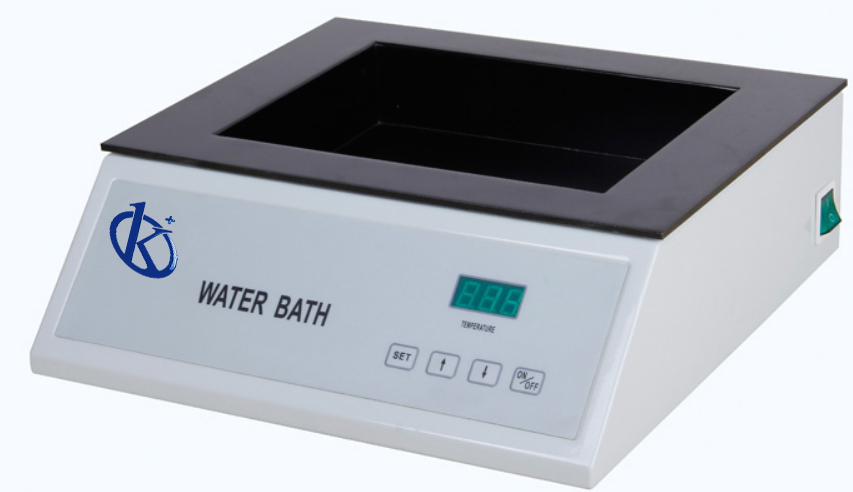
The Role of Tissue Water Baths in University Research and Academic Projects
Tissue water baths are essential tools in laboratory settings, especially in university research and academic projects. These devices provide a controlled environment for various experiments, including those related to histology, biochemistry, and molecular biology. In this article, we will dive into the specific applications of tissue water baths in academic settings, exploring how different models can cater to the varied needs of researchers and educators.
Understanding the Importance of Tissue Water Baths in Academic Research
The use of tissue water baths in university laboratories plays a pivotal role in ensuring precise temperature control necessary for various experimental protocols. In educational settings, they are particularly valuable for teaching students about tissue processing and the importance of maintaining consistent temperatures during experiments. Given their crucial role, the choice of model directly impacts the quality and reproducibility of research outcomes.
Applications of Tissue Water Baths in University Settings
Tissue water baths are utilized in various academic research applications, such as:
- Histology: Preparing tissue samples for microscopic examination often requires precise temperature control to avoid sample degradation.
- Biochemical assays: Many biochemical reactions depend on maintaining specific temperatures for optimal results.
- Education and training: Water baths serve as practical tools for teaching students about the significance of temperature in laboratory procedures.
Comparison of Available Models
| Model | Temperature Range | Temperature Control Accuracy | Best Use Case | Price (USD) |
|---|---|---|---|---|
| YR449 | RT to 90 ℃ | ±1℃ | General tissue processing | $400.00 |
| YR451 | 0 - 85 ℃ | ±1℃ | Advanced biochemical assays | $800.00 |
| YR452 | RT to 75 ℃ | ±1℃ | Flotation stations in histology | $950.00 |
Common Mistakes and How to Avoid Them
When selecting a tissue water bath for academic projects, there are common mistakes that can hinder research outcomes. Here are some pitfalls to avoid:
- Ignoring temperature range: Ensure the model selected meets the specific temperature needs of your protocols. For example, the YR451 is ideal for assays requiring temperatures between 0 and 85 ℃.
- Overlooking size and capacity: Choose a model that can accommodate the volume of samples you typically work with; YR452 offers a substantial size for extensive tissue applications.
- Neglecting energy efficiency: Consider models like YR449, which are designed for energy savings, particularly for long-term use in research environments.
Temperature Control: A Critical Factor in Research
Temperature control is vital in many laboratory experiments, especially those involving sensitive biological samples. Each tissue water bath model provides a specific temperature range and control accuracy necessary to maintain the integrity of samples. For instance, the YR449 can efficiently operate from room temperature up to 90 ℃, making it versatile for various applications.
Evaluating Model Specifications for Academic Use
When evaluating tissue water baths for academic purposes, consider the following specifications:
- Control Mechanism: The YR451 model features advanced microprocessor control, ensuring precise temperature regulation.
- Display Features: Models like YR451 and YR452 have digital displays that allow real-time monitoring of temperature, which is crucial for education and experiment documentation.
- Energy Consumption: Understanding the energy efficiency of each model can prepare labs for budgeting and sustainability considerations.
Cost-Benefit Analysis of Tissue Water Baths
Analyzing the cost associated with tissue water baths versus the potential benefits can provide insight into their value in academic research. Here's a breakdown:
| Model | Initial Cost (USD) | Annual Maintenance Cost (USD) | Estimated Operational Lifespan (Years) | Total Cost of Ownership (USD) |
|---|---|---|---|---|
| YR449 | $400.00 | $50.00 | 10 | $900.00 |
| YR451 | $800.00 | $75.00 | 10 | $1,550.00 |
| YR452 | $950.00 | $60.00 | 10 | $1,570.00 |
Integrating Tissue Water Baths with Research Projects
Integrating tissue water baths into ongoing research projects can enhance efficiency and accuracy. These models not only provide stable environments for sample preparation but also facilitate multi-user access, which is beneficial in academic settings. For example, the YR451, with its real-time digital monitoring, supports collaborative projects requiring concurrent experiments by multiple researchers.
Frequently Asked Questions
What is the best tissue water bath model for histology education?
The YR449 model is highly recommended for histology education, as it provides excellent temperature control from RT to 90 ℃, making it versatile for various tissue processing tasks in an academic setting.
How do I choose the right tissue water bath for my laboratory research?
Choosing the right tissue water bath involves assessing factors such as temperature range, size, and energy efficiency. The YR451 model is ideal for advanced biochemical assays due to its precise temperature control and enhanced features.
What energy-saving features should I look for in a tissue water bath?
Look for models with energy-efficient heating elements, such as the YR449, which is designed to provide quick heating while minimizing energy consumption, crucial for long-term laboratory use.
How does the temperature accuracy of tissue water baths impact research outcomes?
Temperature accuracy is essential for reliable research results. Models like the YR451, featuring ±1℃ accuracy, ensure that experiments maintain the required conditions, reducing variability in outcomes.
Which tissue water bath is best for multiple users in a university lab?
The YR452 is suitable for multiple users, offering ample capacity and features like digital temperature monitoring, making it ideal for collaborative research environments in university labs.
How often should I calibrate my tissue water bath for accurate results?
Calibration should be performed regularly, ideally every 6-12 months, to ensure accurate temperature readings. Models like the YR449 can help maintain consistent results when properly calibrated.
What safety features should a tissue water bath have for academic use?
Safety features such as over-temperature protection and sturdy construction are vital. The YR451 model includes various safety mechanisms, ensuring safe operation in academic laboratories.
How can tissue water baths enhance productivity in academic research?
Tissue water baths can enhance productivity by allowing for simultaneous experiments under controlled conditions. The YR452 model is particularly effective for collaborative projects, optimizing workflow in university research settings.
If you are looking for a fusion of innovation and quality, you have come to the right place. At Kalstein, we offer you the luxury of exploring our exclusive catalog of laboratory equipment. We manufacture every device to the highest standards of excellence. Our intuitive and seamless online purchasing channels are designed for your convenience, securing the most competitive prices. Hesitate no longer — we bring science to life, it is time to become part of our community.