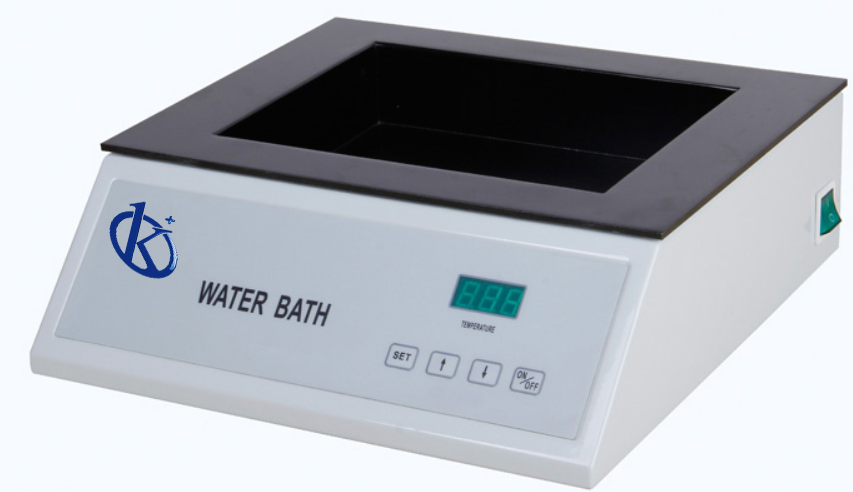
Tissue Water Baths: Techniques and Best Practices 2026
What is it used for in 2026
Tissue water baths are integral tools in histology and pathology laboratories, utilized primarily for the process of tissue processing and embedding, providing controlled temperatures for optimal results. In 2026, their applications expand beyond traditional use, aligning with advancements in laboratory workflows and the demand for efficiency and precision.
In histology, these baths are crucial for maintaining tissue samples at specific temperatures, ensuring consistency and accuracy during the embedding stage. They are designed to support a wide range of temperatures, allowing for effective adhesion of tissue to embedding media, which is essential for slicing thin sections for microscopic analysis.
History and evolution of the technology
The evolution of tissue water baths dates back several decades, with early models being simple immersion heaters that provided basic temperature control. Over time, technological advancements have led to significant improvements in precision and functionality, such as the introduction of digital displays and automatic temperature control systems. By 2026, we see tissue water baths equipped with microcomputer control, allowing for more sophisticated operations and enhanced user experiences.
Notably, models like the Water Bath YR449, YR451, and YR452 feature automatic memory functions that store preset temperature parameters, streamlining laboratory procedures. This evolution not only enhances accuracy but also increases energy efficiency, a critical factor in modern laboratory management.
How to use it step by step
Using a tissue water bath requires careful attention to detail to ensure optimal results. Here is a step-by-step guide:
- Setup: Place the tissue water bath on a stable surface, away from direct sunlight and drafts. Ensure that it is properly connected to a power source.
- Filling: Fill the bath with distilled water to the recommended level, ensuring it does not exceed the maximum fill line.
- Power On: Turn on the device and set the desired temperature using the control panel. Allow the water to reach the set temperature.
- Prepping Samples: Prepare your tissue samples for embedding while the water bath is heating. Ensure the embedding media is compatible with the temperature set.
- Immersion: Once the desired temperature is reached, carefully immerse the tissue samples in the water bath, ensuring they are fully submerged.
- Monitoring: Continuously monitor the temperature display to maintain accuracy, adjusting as necessary.
- Embedding: After sufficient immersion time, proceed to embed the samples in the embedding medium.
- Cleaning: After use, turn off the device and clean the bath according to manufacturer guidelines.
Best techniques and protocols
To achieve the best results when using tissue water baths, it is essential to adhere to specific techniques and protocols:
- Temperature Calibration: Regularly calibrate the bath to ensure temperature accuracy, especially before critical procedures.
- Use of Distilled Water: Always use distilled water to prevent mineral buildup and contamination.
- Consistent Monitoring: Frequently check the display for consistent temperature readings, ensuring stability during prolonged use.
- Pre-warming Embedding Media: Ensure that the embedding media is pre-warmed in the water bath for optimal adhesion to tissue samples.
Practical applications by laboratory type
Different laboratories utilize tissue water baths for various applications:
- Histology Labs: Used extensively for preparing tissue samples before sectioning.
- Pathology Labs: Essential for maintaining tissue integrity during analysis.
- Research Laboratories: Used for experimental procedures requiring precise temperature control for biological samples.
Regulations, standards and certifications
In 2026, tissue water baths must adhere to strict regulatory standards and certifications to ensure safety and efficacy. Laboratories need to comply with international standards such as ISO 13485 for medical devices and other relevant safety regulations. It is crucial for users to verify that their models conform to these standards to maintain operational integrity and ensure compliance during audits.
Comparison with alternative technologies
While tissue water baths are indispensable, alternative technologies exist, including:
- Heating Mantles: Often used for chemical applications, but lack the precise temperature control for biological samples.
- Dry Block Heaters: Provide rapid heating but may not deliver the same level of temperature uniformity as water baths.
- Ovens: Suitable for certain applications but do not offer the immersion capabilities of water baths.
Comparison of available models
| Model | Best for | Key specs | Recommended use case |
|---|---|---|---|
| YR449 | Embedding tissue samples | Temperature range RT to 90℃, ±1℃ precision, 200W power | For labs focusing on energy efficiency and durability |
| YR451 | Real-time temperature monitoring | 0 - 85℃ range, ±1℃ precision, 400W power | Ideal for labs needing live updates on temperature |
| YR452 | Flotation station for tissue | RT-75℃ range, ±1℃ precision, 500W power | Recommended for advanced tissue preparation techniques |
Common mistakes and how to avoid them
Laboratory professionals often encounter pitfalls when using tissue water baths. Here are some common mistakes and tips to avoid them:
- Overfilling the Bath: Always adhere to the recommended fill line to avoid spills and overheating.
- Skipping Calibration: Regularly calibrate your unit to ensure temperature accuracy.
- Using Contaminated Water: Using non-distilled water can lead to contamination; always use distilled water.
Maintenance, calibration and good practices 2026
Regular maintenance and calibration are essential for optimal performance:
- Daily Inspection: Check for any visible signs of wear or damage.
- Monthly Calibration: Calibrate temperature settings at least once a month or before critical experiments.
- Cleaning Protocol: Follow manufacturer guidelines for cleaning to prevent contamination.
Cost-benefit analysis 2026
When considering the acquisition of a tissue water bath, a cost-benefit analysis is crucial. Evaluating the initial purchase price against the long-term benefits such as accuracy, reliability, and time savings can help laboratories make informed decisions. Investing in models with advanced features may lead to increased productivity and improved results in tissue processing, justifying the initial expenditure.
Frequently asked questions
How often should I calibrate my tissue water bath?
It is recommended to calibrate your tissue water bath at least once a month or before significant experiments to maintain temperature accuracy.
Can I use tap water in the tissue water bath?
No, it is advisable to use distilled water to prevent contamination and mineral buildup, which can affect the performance of the bath.
What is the ideal temperature range for tissue embedding?
The ideal temperature range for tissue embedding typically falls between room temperature to 75℃, depending on the embedding medium used.
How do I clean my tissue water bath?
Follow the manufacturer's guidelines for cleaning, which usually involve draining the water and wiping down the surfaces with a mild detergent.
What are the advantages of digital tissue water baths?
Digital tissue water baths offer precise temperature control, easier monitoring, and features like automatic memory functions that enhance operational efficiency.
Is it safe to leave the bath unattended?
It is not advisable to leave the bath unattended for extended periods, especially at high temperatures, as this may pose safety risks.
How can I ensure the longevity of my tissue water bath?
Regular maintenance, proper cleaning, and adherence to operational guidelines will ensure the longevity and consistent performance of your tissue water bath.
If you are looking for a fusion of innovation and quality, you have come to the right place. At Kalstein, we offer you the luxury of exploring our exclusive catalog of laboratory equipment. We manufacture every device to the highest standards of excellence. Our intuitive and seamless online purchasing channels are designed for your convenience, securing the most competitive prices. Hesitate no longer — we bring science to life, it is time to become part of our community.