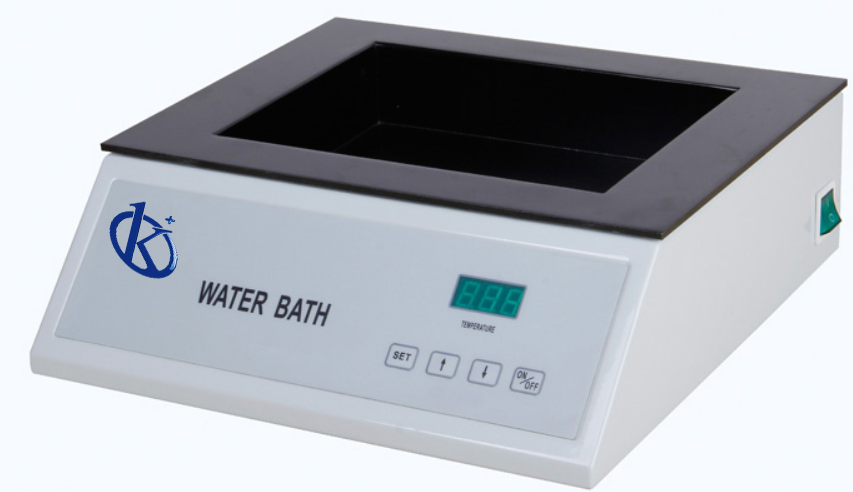
How to Achieve Seamless Integration of Tissue Water Baths with LIMS for Data Digitalization?
The integration of laboratory equipment, such as tissue water baths, with Laboratory Information Management Systems (LIMS) is crucial for enhancing data digitalization and overall laboratory efficiency. This article will examine the importance of LIMS integration and how various models of tissue water baths can aid in achieving seamless workflow digitalization in pathological anatomy laboratories.
Understanding the Role of LIMS in Laboratory Integration
A Laboratory Information Management System (LIMS) is designed to manage samples, associated data, and laboratory workflows. By integrating tissue water baths with LIMS, laboratories can automate data collection, reduce human errors, and ensure better compliance with regulatory standards. This integration streamlines processes, allowing for effective monitoring and analysis of temperature control in tissue processing.
Comparison of Available Models
| Model | Temperature Range | Control Precision | Best for LIMS Integration |
|---|---|---|---|
| YR449 | RT to 90 ℃ | ±1℃ | High energy efficiency and memory restoration |
| YR451 | 0 - 85 ℃ | ±1℃ | Real-time monitoring with LED display |
| YR452 | RT to 75 ℃ | ±1℃ | Automatic temperature control with digital interface |
Benefits of Integrating Tissue Water Baths with LIMS
Integrating tissue water baths with LIMS offers several benefits, including improved data accuracy, efficient temperature management, and streamlined workflows. By automatically logging temperature data, laboratories can ensure that samples are processed under optimal conditions, thereby enhancing the reproducibility and reliability of histological results.
Improved Data Accuracy
When tissue water baths like the YR451 are connected to LIMS, temperature readings are automatically captured, reducing the possibility of manual entry errors. This ensures that the data logged is precise and readily available for analysis and reporting.
Efficient Temperature Management
Models such as the YR452 provide real-time monitoring of temperature settings. By integrating these devices with a LIMS, laboratories can set alerts for temperature deviations, ensuring compliance with protocols and reducing the risk of sample degradation.
Streamlined Workflows
The integration of tissue water baths into LIMS creates a seamless workflow from sample preparation to analysis. With automated data entry and tracking, laboratory personnel can focus on higher-level tasks, improving overall productivity.
Challenges of Integration and How to Overcome Them
While the integration of tissue water baths with LIMS offers numerous benefits, there are challenges to be faced. One significant challenge is the compatibility of existing laboratory equipment with the LIMS software. Assessing the communication protocols used by both systems is essential for a successful integration.
Ensure Compatibility
Before integration, it is crucial to verify that the tissue water baths can communicate with the LIMS using standard protocols such as ASTM or HL7. Models like YR449 may require specific middleware to ensure effective data transmission.
Training Staff
Proper training is essential for laboratory staff to efficiently use the integrated system. Implementing training programs focused on LIMS operation, along with hands-on sessions with the tissue water baths, will enhance user competence and facilitate smoother workflows.
Common Mistakes and How to Avoid Them
Laboratories often encounter common pitfalls during the integration process. A frequent mistake is neglecting to test the integration of devices before full implementation.
Neglecting Pre-implementation Testing
Before fully integrating tissue water baths like the YR451 with LIMS, conduct extensive testing to ensure all data transfers are working as expected. This helps identify any issues that could disrupt laboratory operations.
Inadequate Documentation
Proper documentation of integration processes, including settings and protocols used, is critical. Ensure that all adjustments made during the integration of your water baths into the LIMS are recorded to facilitate troubleshooting and future updates.
Frequently Asked Questions
What are the temperature ranges for different tissue water baths used in laboratories?
Tissue water baths such as the YR449 have a temperature range of RT to 90 ℃, while the YR451 ranges from 0 to 85 ℃, and the YR452 from RT to 75 ℃. These specifications make them versatile for various histological applications.
How does LIMS integration improve data digitalization in tissue processing?
Integrating tissue water baths with LIMS enhances data digitalization by automating temperature logging and reducing manual entries, which allows for higher accuracy and better compliance with standards.
Which tissue water bath model is best for real-time temperature monitoring?
The YR451 model is best for real-time temperature monitoring due to its LED display that shows real-time data and integrates seamlessly with LIMS for effective data management.
What are the energy consumption differences among tissue water bath models?
The energy consumption for the YR449 is 200W, for the YR451 it's 400W, and for the YR452 it's 500W. Understanding these differences can aid in selecting a model that aligns with laboratory energy efficiency goals.
Can tissue water baths be connected to LIMS without middleware?
While some models like the YR449 may require middleware for integration, others might have built-in capabilities to connect directly to LIMS. It's essential to evaluate each model's specifications for compatibility.
How can I ensure compliance with lab standards using tissue water baths?
To ensure compliance with lab standards, regularly calibrate the tissue water baths and document all temperature settings and deviations in the LIMS, thus maintaining traceability and adherence to protocols.
What training is necessary for staff using LIMS-integrated tissue water baths?
Staff should undergo training on LIMS operation, data entry protocols, and the specific functionalities of models such as the YR451 for effective use of LIMS-integrated tissue water baths to enhance efficiency.
How does the integration process impact laboratory productivity?
Integration of tissue water baths with LIMS significantly boosts laboratory productivity by automating tedious data management tasks, allowing technicians to focus on analysis and improving overall workflow efficiency.
If you are looking for a fusion of innovation and quality, you have come to the right place. At Kalstein, we offer you the luxury of exploring our exclusive catalog of laboratory equipment. We manufacture every device to the highest standards of excellence. Our intuitive and seamless online purchasing channels are designed for your convenience, securing the most competitive prices. Hesitate no longer — we bring science to life, it is time to become part of our community.