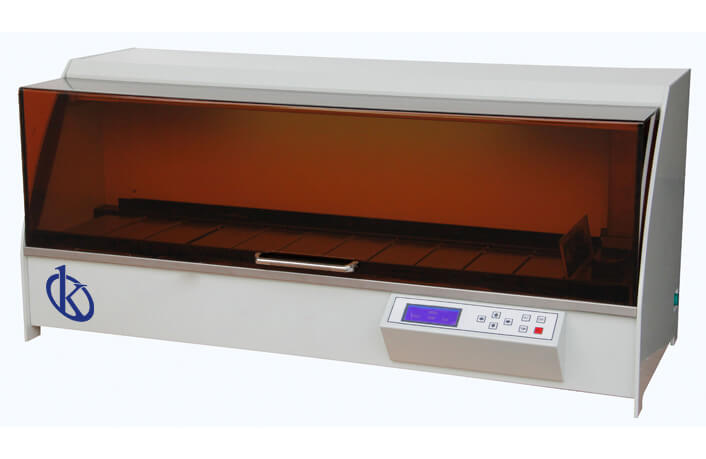
Tissue Processors: Practical Applications and Techniques 2026
What is it used for in 2026
Tissue processors are vital in pathological anatomy and histology laboratories, being used primarily to prepare tissue samples for microscopic examination. In 2026, these devices enhance workflows by ensuring precise processing of specimens, which is essential for accurate diagnosis and research applications. The processors automate various steps including dehydration, clearing, and embedding, streamlining laboratory operations significantly. This automation not only reduces manual labor but also minimizes the risk of human error, leading to more consistent results.
History and evolution of the technology
The history of tissue processors dates back to the advent of histology in the early 19th century, with rudimentary methods involving manual processing of tissues. As the need for efficiency grew, the development of mechanical processors in the mid-20th century marked a significant leap forward. These early models required substantial manual input and were limited in capacity. The transition to automated systems in the late 20th century revolutionized the field, allowing for higher throughput and standardized protocols. In 2026, modern tissue processors are equipped with advanced features such as touchscreen interfaces, various programmable settings, and improved temperature control, which facilitate user-friendly operation and enhanced reproducibility.
How to use it step by step
Using a tissue processor involves several key steps:
- Sample Preparation: Begin by collecting the tissue samples and placing them into designated processing cassettes. Ensure that the samples are properly fixed and ready for processing.
- Loading the Processor: Load the cassettes into the tissue processor. Depending on the model, this may involve placing them into a tray or directly into the processing chamber.
- Settings Configuration: Configure the processor settings according to the desired protocol. This includes selecting the processing time, temperature range, and specific reagents for dehydration and embedding.
- Start the Process: Initiate the processing cycle. Monitor the operation through the interface, ensuring that all parameters are met.
- Post-Processing: Once the cycle is complete, carefully remove the processed samples. Check for any abnormalities and prepare them for sectioning.
Best techniques and protocols
In 2026, the best techniques and protocols for tissue processing involve a combination of traditional and innovative practices:
- Dehydration: Using graded alcohol concentrations (70%, 80%, 90%, 100%) for optimal dehydration of tissues.
- Clearing: Utilizing xylene or alternatives to replace alcohol and prepare tissues for paraffin embedding.
- Embedding: Ensuring proper orientation and embedding of samples in paraffin to achieve optimal sectioning results.
- Automation: Leveraging the automation features of modern processors to standardize protocols and enhance reproducibility.
Practical applications by laboratory type
Tissue processors find applications across various types of laboratories:
- Research Laboratories: Used for processing specimens for academic and clinical research, providing valuable insights into disease mechanisms.
- Clinical Laboratories: Essential for preparing biopsy samples, aiding in the diagnosis of diseases.
- Biotechnology Firms: Utilized for developing and testing new therapeutic techniques and products.
Regulations, standards and certifications
In 2026, compliance with regulations and standards is crucial for tissue processing laboratories. Laboratories must adhere to guidelines set by relevant authorities, such as the FDA and ISO standards for laboratory equipment. Certification processes ensure that tissue processors meet safety, efficacy, and performance benchmarks, thereby ensuring high-quality outcomes in pathological studies.
Comparison with alternative technologies
While tissue processors are the standard in histology, alternative technologies such as microwave processors and manual processing methods exist. Microwave processing offers faster results but may not provide the same level of tissue preservation as traditional methods. Conversely, manual methods can be labor-intensive and time-consuming, lacking the consistency offered by automated processors. Ultimately, the choice between technologies depends on laboratory needs, specimen types, and desired throughput.
Comparison of available models
| Model | Best for | Key specs | Recommended use case |
|---|---|---|---|
| YR431-1 | Medium labs needing high capacity | 12 cups, 2000 ml capacity each, RT-80℃ | Processes large volumes of samples efficiently |
| YR436-2 | Compact laboratory spaces | 12 cups, compact design | Ideal for small sample batches |
| YR427 | Small laboratories | 12 cups, 700 ml capacity, RT-80℃ | Cost-effective solution for routine processing |
| YR428 | Small labs focused on quality | 12 cups, adjustable temp, user-friendly | Best for labs prioritizing high-quality sections |
| YR429 | Medium labs with moderate throughput | 12 cups, 1500 ml capacity, RT-80℃ | Versatile for various processing demands |
| YR431 | Large laboratories needing versatility | 12 cups, 2000 ml capacity, RT-80℃ | Handles a diverse array of processing protocols |
Common mistakes and how to avoid them
Common mistakes in using tissue processors include:
- Incorrect reagent usage: Always double-check reagent compatibility to avoid damaging samples.
- Poor sample placement: Ensure proper orientation of tissues in cassettes for effective processing.
- Ignoring maintenance schedules: Regular maintenance is essential to keep the processor running efficiently and to avoid failures during operation.
Maintenance, calibration and good practices 2026
Routine maintenance is imperative for the longevity and performance of tissue processors. Good practices include:
- Regular Calibration: Calibrate temperature and timing settings routinely to ensure accuracy.
- Preventive Maintenance: Schedule regular service checks to identify and address potential issues before they impact operations.
- Documentation: Keep comprehensive records of maintenance and calibration activities to support regulatory compliance.
Cost-benefit analysis 2026
In 2026, the investment in a tissue processor must be justified by evaluating costs against benefits. Factors to consider include:
- Initial Investment: Analyze the purchase cost of the tissue processor and any additional required equipment.
- Operational Efficiency: Assess how much time and labor costs can be saved through automation versus manual processes.
- Quality of Results: Evaluate the impact on diagnostic accuracy and research outputs, which can significantly affect the reputation and funding of the laboratory.
Frequently asked questions
What are the key features to look for when choosing a tissue processor?
When choosing a tissue processor, consider factors such as capacity, temperature range, automation features, and user interface. Advanced models offer programmable settings and improved safety features, which can enhance laboratory workflow.
How often should I perform maintenance on my tissue processor?
It is recommended to perform maintenance checks regularly, ideally before and after each major usage cycle. Monthly checks are advisable for routine use, while more extensive service should be scheduled annually.
What protocols should I follow for sample processing?
Follow established protocols for dehydration, clearing, and embedding based on the specific requirements of your samples. Always ensure that you are using the appropriate reagents and follow the manufacturer’s guidelines for operation.
Can tissue processors handle diverse sample types?
Yes, many modern tissue processors are designed to accommodate a variety of sample types, including different tissue densities. Ensure that you select the correct settings for each type for optimal results.
What safety precautions should I take when using a tissue processor?
Always wear appropriate personal protective equipment (PPE) such as gloves and goggles. Additionally, ensure proper ventilation when using chemicals to avoid inhalation of fumes.
How can I improve the quality of my processed tissue samples?
Ensure that your samples are adequately fixed before processing, choose high-quality reagents, and follow precise processing protocols to enhance the quality of your tissue samples.
Where can I get a quote for a tissue processor?
You can request a quote for a tissue processor by contacting us directly through our sales team or visiting our online platform.
If you are looking for a fusion of innovation and quality, you have come to the right place. At Kalstein, we offer you the luxury of exploring our exclusive catalog of laboratory equipment. We manufacture every device to the highest standards of excellence. Our intuitive and seamless online purchasing channels are designed for your convenience, securing the most competitive prices. Hesitate no longer — we bring science to life, it is time to become part of our community.