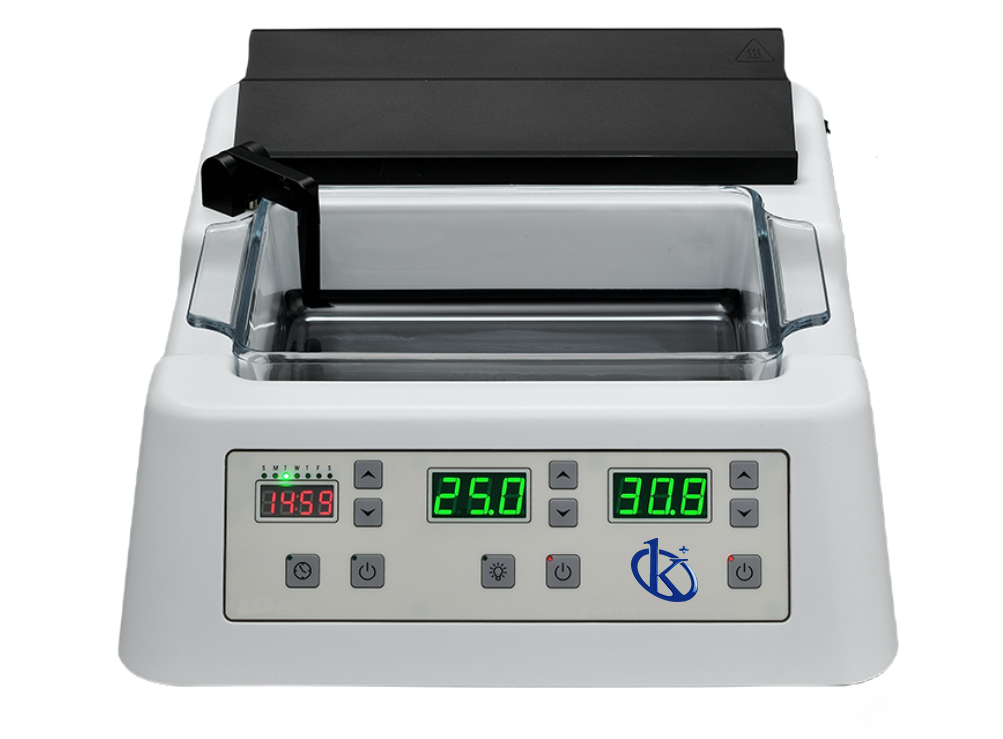
Tissue Flotation: Common Mistakes and How to Avoid Them in Daily Operation 2026
What is it used for in 2026
Tissue flotation systems are critical in pathological anatomy, primarily used for the preparation of histological samples. In 2026, these devices help to achieve optimal positioning of tissue sections on slides, ensuring that samples are adequately prepared for microscopic analysis. The technology provides controlled heating and drying, which are essential for preserving delicate samples during the staining process. By facilitating the separation of tissue layers, these systems improve the quality of the slides being analyzed.
History and evolution of the technology
The history of tissue flotation technology dates back to the early developments in histopathology. Initially, manual methods were employed, leading to inconsistencies in slide preparation. The introduction of water baths and digital controls revolutionized the process, allowing for more precise temperature management. Over the years, advancements in microprocessor technology and automated systems have enhanced the reliability and efficiency of tissue flotation workstations. Today's models, like YR457-1 and YR456, demonstrate significant improvements in temperature control and user-friendly interfaces, making them indispensable tools in modern laboratories.
How to use it step by step
Using a tissue flotation workstation involves several steps:
- Preparation: Ensure that the workstation is clean and free of any previous samples.
- Setup: Fill the water bath with distilled water and set the desired temperature (typically around 37°C for optimal tissue sectioning).
- Loading slides: Place clean slides on the drying station if necessary, allowing them to reach the appropriate temperature.
- Flotation: Carefully place the tissue sections onto the water surface, ensuring they remain flat and do not fold.
- Drying: Utilize the slide dryer to remove excess moisture once the sections are adequately positioned.
- Staining: Proceed with the staining protocols as required for your analysis.
Best techniques and protocols
To optimize outcomes when using tissue flotation workstations, consider the following techniques:
- Temperature Monitoring: Regularly check and calibrate the temperature settings to ensure accuracy.
- Slide Handling: Use appropriate tools for handling slides to avoid contamination.
- Sample Thickness: Ensure that tissue sections are of uniform thickness for reliable results.
- Environmental Control: Maintain a stable laboratory environment to minimize fluctuations that could affect results.
- Routine Maintenance: Schedule regular maintenance checks to keep the equipment in optimal working condition.
Practical applications by laboratory type
Tissue flotation workstations find applications across various laboratory settings, including:
- Clinical Laboratories: Used for preparing samples for routine histopathological examinations.
- Research Laboratories: Assist in the study of tissue behavior and cellular structures.
- Veterinary Pathology: Facilitate the examination of animal tissues for diagnostic purposes.
Regulations, standards and certifications
In 2026, laboratories must adhere to stringent regulations concerning the operation of tissue flotation devices. Compliance with ISO certification, Good Laboratory Practices (GLP), and specific guidelines set by organizations such as CAP (College of American Pathologists) is essential. These standards ensure that laboratories maintain high-quality practices in sample handling and preparation.
Comparison with alternative technologies
Alternative technologies include traditional manual methods and other automated systems. Manual processes, while cost-effective, often lead to inconsistencies and higher error rates. Automated systems can enhance efficiency but may involve higher upfront costs. Tissue flotation workstations strike a balance by providing precision and user control at a reasonable investment.
Comparison of available models
| Model | Best for | Key specs | Recommended use case |
|---|---|---|---|
| YR457-1 | Multiple sample sizes | Temperature range: RT - 70℃; Dryer: RT - 100℃; Power: 400W | Ideal for large laboratories with a need for high volume throughput. |
| YR456 | Small to medium samples | Temperature range: RT - 70℃; Dryer: RT - 100℃; Power: 400W | Perfect for labs requiring precise control over temperature for various tissue types. |
| YR457 | General laboratory use | Temperature range: RT - 70℃; Dryer: RT - 100℃; Power: 400W | Best suited for routine histopathological tasks. |
Common mistakes and how to avoid them
Common mistakes include:
- Incorrect Temperature Settings: Always double-check temperature settings before use.
- Improper Slide Handling: Use gloves and tools to prevent contamination.
- Neglecting Maintenance: Create a maintenance schedule to keep equipment in top condition.
- Overloading the Workstation: Adhere to the recommended load capacities to avoid damage.
Maintenance, calibration and good practices 2026
Regular maintenance is crucial for ensuring the longevity of tissue flotation workstations:
- Daily Checks: Inspect water levels and temperature settings.
- Calibration: Perform calibration checks weekly to maintain accuracy.
- Cleaning: Clean the workstation after each use to prevent cross-contamination.
Cost-benefit analysis 2026
When considering the investment in tissue flotation workstations, analyze the costs against the benefits:
- Initial Costs: Understand the upfront costs of acquiring quality equipment.
- Operational Efficiency: Evaluate the time saved and improved throughput in daily routines.
- Quality of Results: Determine how enhanced precision impacts overall diagnostic accuracy.
Frequently asked questions
What are the most common errors when using a tissue flotation workstation?
Common errors include incorrect temperature settings, improper slide handling, neglecting maintenance, and overloading the workstation.
How can I ensure my tissue samples are prepared correctly?
Ensure even sample thickness, maintain a stable temperature, and follow proper protocols for handling and drying.
What maintenance is required for a tissue flotation workstation?
Routine cleaning, calibration checks, and regular inspections of water levels and temperature settings are necessary.
How do I choose the right model for my laboratory?
Consider your laboratory's size, the volume of samples processed, and specific needs for temperature control when choosing a model.
Can tissue flotation workstations be used for all tissue types?
Yes, but different tissue types may require specific temperature settings and handling protocols for optimal results.
What is the typical lifespan of a tissue flotation workstation?
With proper maintenance, a tissue flotation workstation can last several years, often exceeding a decade.
How do I integrate a new workstation into my existing laboratory workflow?
Evaluate your current processes, train staff on the new equipment, and gradually incorporate the workstation to minimize disruption.
If you are looking for a fusion of innovation and quality, you have come to the right place. At Kalstein, we offer you the luxury of exploring our exclusive catalog of laboratory equipment. We manufacture every device to the highest standards of excellence. Our intuitive and seamless online purchasing channels are designed for your convenience, securing the most competitive prices. Hesitate no longer — we bring science to life, it is time to become part of our community.