PCR Thermal Cyclers
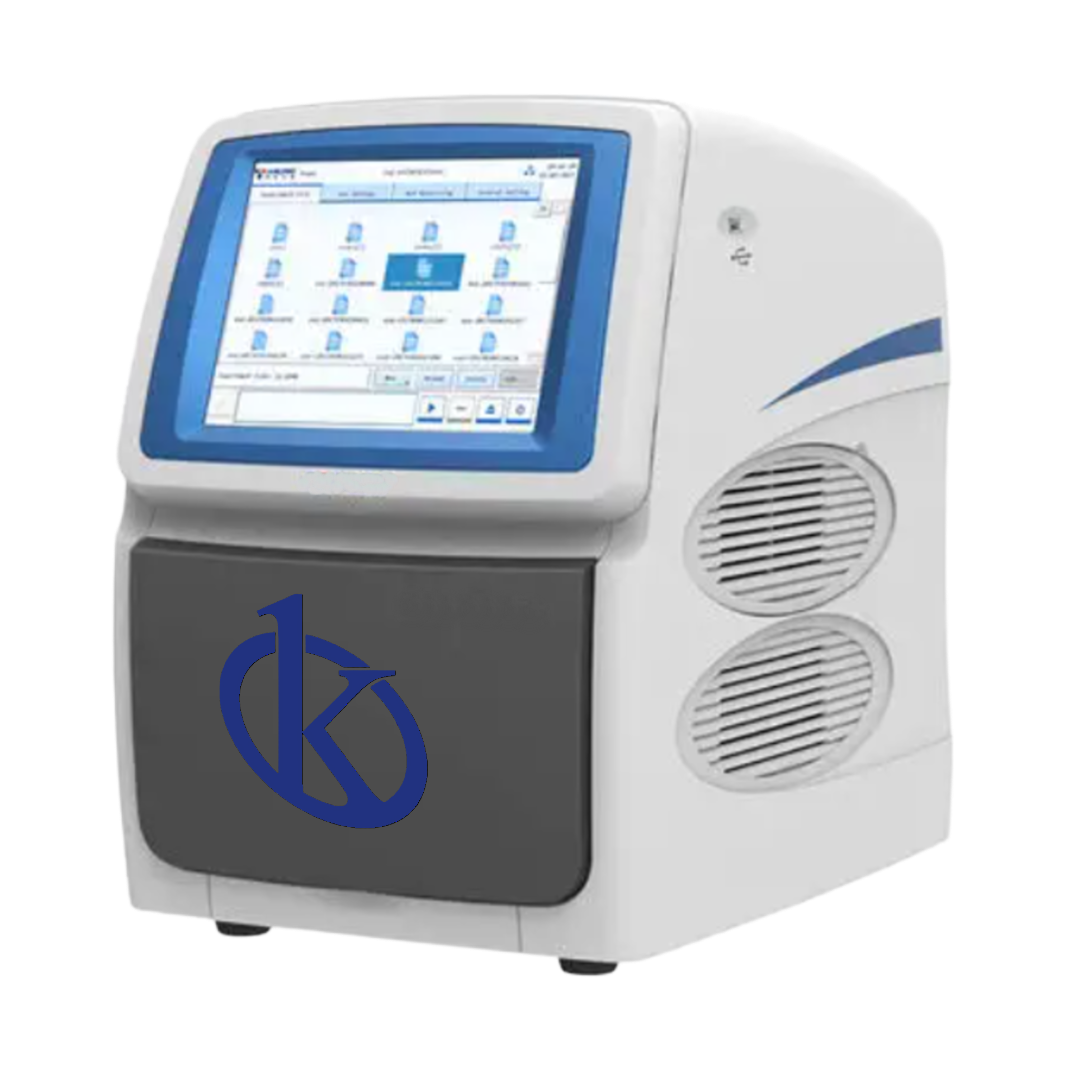
PCR thermal cyclers are essential tools in molecular biology, enabling precise DNA amplification through the polymerase chain reaction technique. These devices are designed to provide accurate temperature control, ensuring optimal conditions for DNA denaturation, annealing, and extension during PCR.
Investing in a reliable thermal cycler is critical for researchers aiming for reproducibility and efficiency in their experiments. With advancements in technology, modern thermal cyclers now offer user-friendly interfaces, rapid heating and cooling, and compatibility with various PCR protocols.
What you should know before selecting a pcr thermal cyclers and making an investment
Key factors to consider
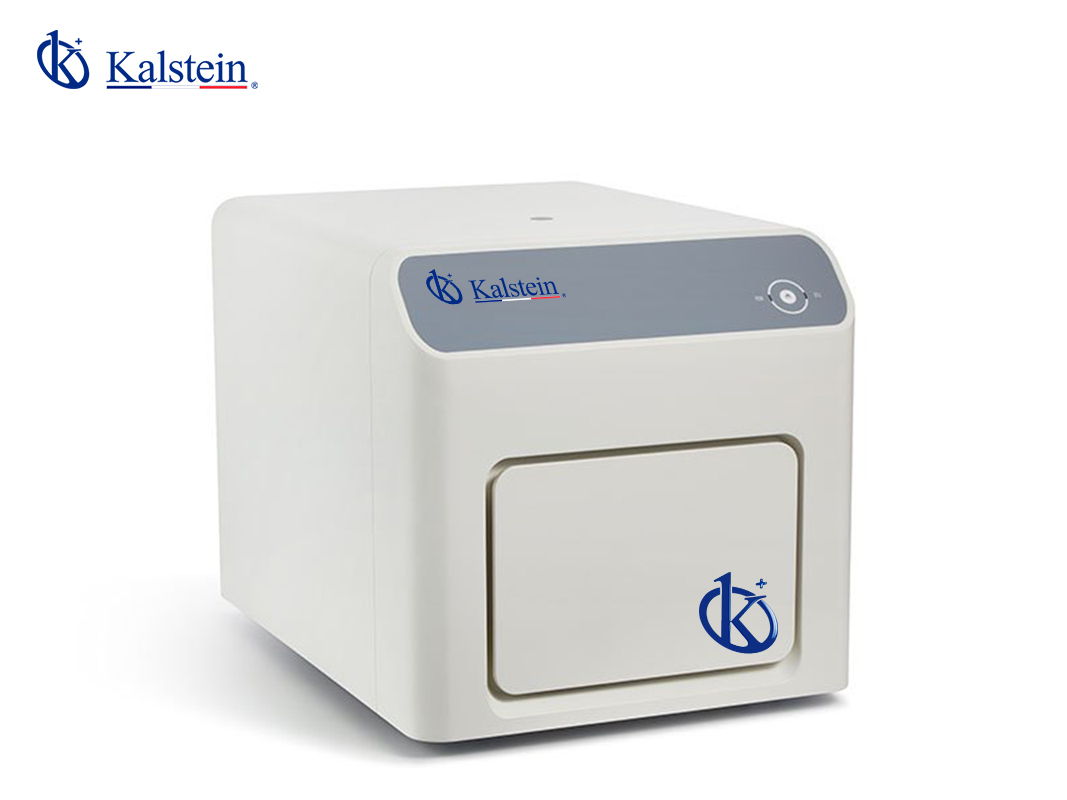
When selecting a PCR thermal cycler, consider factors such as the maximum number of samples it can process concurrently, its temperature uniformity, and ramp rates. These features directly impact the efficiency and accuracy of your PCR experiments, influencing the overall results.
Additionally, assess the software capabilities of the thermal cycler, as user-friendly interfaces and data management options can significantly enhance your laboratory workflow and data analysis.
Market price range
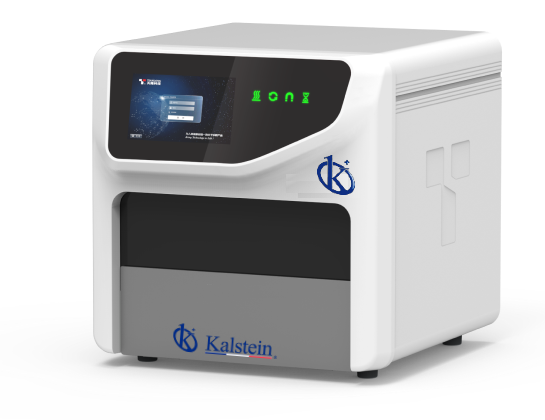
The price range for PCR thermal cyclers varies widely based on features, brand, and capabilities. Entry-level models can start around a few hundred dollars, while advanced systems with high-throughput capabilities can exceed several thousand dollars. It’s essential to balance your budget with the necessary specifications for your lab's needs.
Keep in mind that investing in a higher-end model may provide long-term savings through enhanced performance, reliability, and fewer maintenance requirements over time.
Value for money
Value for money in PCR thermal cyclers is determined not only by the initial purchase price but also by the long-term operational costs, including maintenance, consumables, and potential upgrades. Assessing warranty options and customer support services can also contribute to the overall value proposition.
Choosing a thermal cycler that meets your current requirements while allowing for future scalability can ensure you get the best return on your investment.
Expected lifespan based on use and maintenance
The expected lifespan of a PCR thermal cycler typically ranges from 5 to 10 years, depending on usage frequency and maintenance practices. Regular cleaning, calibration, and following manufacturer guidelines can significantly extend the life of the instrument.
It is advisable to invest in models known for durability and robust construction, as they tend to withstand the rigors of daily laboratory use more effectively, ensuring consistent performance over time.
PCR THERMAL CYCLERS KALSTEIN
Discover pcr thermal cyclers for your laboratory
Explore our range of high-quality PCR thermal cyclers designed to meet various laboratory needs. From real-time PCR systems to automated nucleic acid extractors, find the perfect solution for your research requirements.
Real-Time PCR YR06689 // YR06691
The YR06689 // YR06691 family represents excellence in real-time PCR systems, specifically designed to meet the experimental requirements of high-leve
View productReal-time PCR System YR06248 – YR06249
The Real-Time Quantitative PCR System YR06248 – YR06249 is a highly advanced tool designed for precise and sensitive PCR analysis. It features cutting
View productAutomatic Nucleic Acid Extractor YR01871
The Termocycler YR01871 is an advanced automated nucleic acid extraction system designed to provide high-precision and efficient results for a wide ra
View productOur best-selling pcr thermal cyclers
Real-Time PCR YR06689 // YR06691
Design and Technology (or Functionality)
The YR06689 // YR06691 systems integrate patented technologies that ensure consistent and precise results:- Superior Scanning System: It utilizes a high-brightness, long-life, maintenance-free LED light source with detection via photodiodes (PDs). By performing the scan from the top, interference is minimized and the signal is maximized.
- Peltier Thermal Control: Reaches heating rates of up to 6.1 °C/s, which drastically reduces the total time of PCR protocols.
- Operational Flexibility: Dual control mode allows the equipment to be operated autonomously via its 10.4-inch touch screen or through a direct PC connection.
- Experiment Protection: The automatic resumption function after power failures ensures that valuable data and samples are not lost in the event of a supply failure.
- Advanced Multiplexing: Capability to detect up to 6 different targets in a single well (on E and T models), optimizing reagent use and time.
Frequently Asked Questions (FAQ)
- What is the main difference between the model YR06689, YR06690, and YR06691? The difference lies primarily in the fluorescence channels. The YR06689 and YR06691 models feature 6 channels (ideal for complex clinical diagnostics and FRET), while the YR06690 offers 4 channels, covering the most common PCR applications.
- Which consumables can I use? They are compatible with standard 0.2 ml 96-well plates, 8-tube strips, and individual tubes (transparent, frosted, or white).
- How are result reports managed? The software includes reserved templates and allows for the creation of customized experiment reports that can be exported or printed directly following quantification or melting curve analysis.
Advantages and Disadvantages (Pros and Cons)
Advantages:- Scanning Speed: Only 7 seconds for a full plate reading.
- Thermal Stability: Exceptional temperature uniformity of ±0.1 °C ensures reproducible results between wells.
- Autonomy: Large internal storage capacity for up to 1000 results without needing a PC connection.
- Versatility: Supports applications for absolute and relative quantification, SNP analysis, and melting curve analysis.
- Bench Space: With a width of 555 mm for some models, it requires considerable workspace compared to portable units.
- Energy Consumption: Requires 900 VA; therefore, the use of a stabilized UPS is highly recommended.
Field Use and Recommendations
These units are ideal for third-level hospitals, Centers for Disease Control (CDC), and pharmaceutical laboratories. They are the ultimate tool for detecting infectious pathogens, cancer biomarker research, and food safety testing. Practical Tip: To ensure optical precision, always use high-quality optical consumables and ensure there is no condensation on the tube caps before starting the thermal cycle.Technical Specifications
| Parameter | characteristics | ||
| Model | YR06689 | YR06690 | YR06691 |
| Sample Throughput | ene-96 | ene-96 | ene-96 |
| Fluorescence Channels | 6 | 6 | 4 |
| Scanning Time | 7 s | 7 s | 7 s |
| Light Source | LED (Top scanning) | LED (Top scanning) | LED (Top scanning) |
| Detector | Photodiode (PD) | Photodiode (PD) | Photodiode (PD) |
| Heating Method | Peltier | Peltier | Peltier |
| Heating Rate | >6.1 C/s | >6.1 C/s | >6.1 C/s |
| Cooling Rate | >5.0 C/s | >5.0 C/s | >5.0 C/s |
| Temperature Uniformity | ±0.1 C | ±0.1 C | ±0.1 C |
| Temperature Accuracy | ≤0.1 C | ≤0.1 C | ≤0.1 C |
| Gradient Range | 1 C - 40 C | 1 C - 40 C | 1 C - 40 C |
| Control Screen | 10.4" Touch Screen | 10.4" Touch Screen | 10.4" Touch Screen |
| Internal Storage | 1000 results | 1000 results | 1000 results |
| PC Operating System | Win 7/10/11 | Win 7/10/11 | Win 7/10/11 |
| Power Consumption | 900 VA | 900 VA | 900 VA |
| Net Weight (kg) | 30 kg | 30 kg | 30 kg |
| Dimensions (LxWxH) | 55,5x47,5x48,4 cm | 55,5x47,5x48,4 cm | 35,5x47,5x48,4 cm |
| Consumables | 0.2ml Plate/8-tube strip | 0.2ml Plate/8-tube strip | 0.2ml Plate/8-tube strip |
Detailed analysis of pcr thermal cyclers for an effective and safe choice
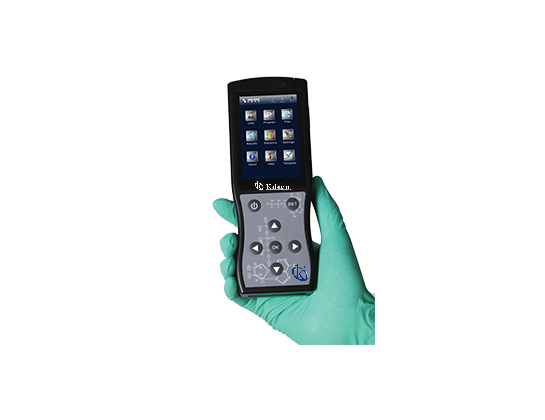
Discover the Cutting-Edge World of PCR Thermal Cyclers
PCR Thermal Cyclers by Kalstein Kalstein is a renowned name in the field of laboratory equipment, offering a wide range of PCR Thermal Cyclers that have revolutionized the way researchers perform DNA amplification. Their extensive portfolio includes state-of-the-art units that are designed with precision, efficiency, and reliability in mind. These cyclers are an essential part of any modern labora
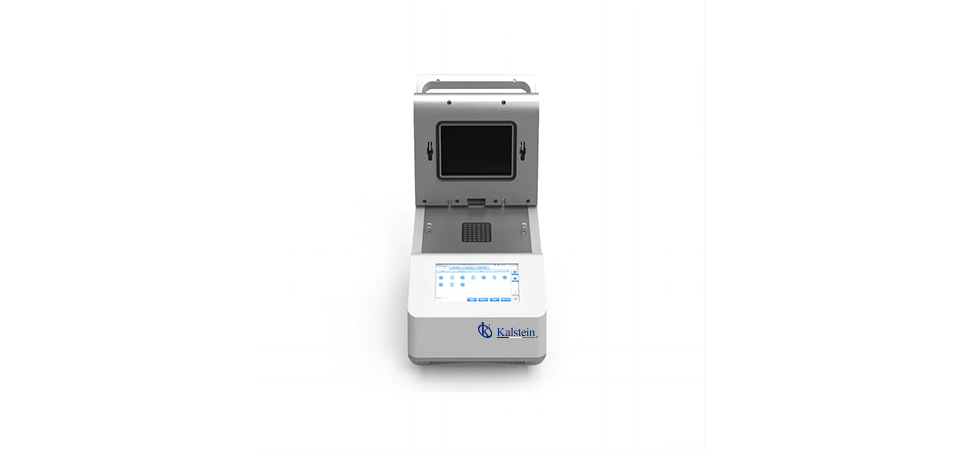
Comparing PCR Thermal Cyclers YR01868 and Thermo Scientific™ PikoReal™ Real-Time PCR System
In the world of laboratory equipment, the choice of a PCR thermal cycler can be instrumental in achieving precise experimental results. Two notable products in this field are the PCR Thermal Cyclers YR01868 by Kalstein and the Thermo Scientific™ PikoReal™ Real-Time PCR System from Thermo Fisher Scientific. These sophisticated machines play a crucial role in DNA amplification, pivotal for various g
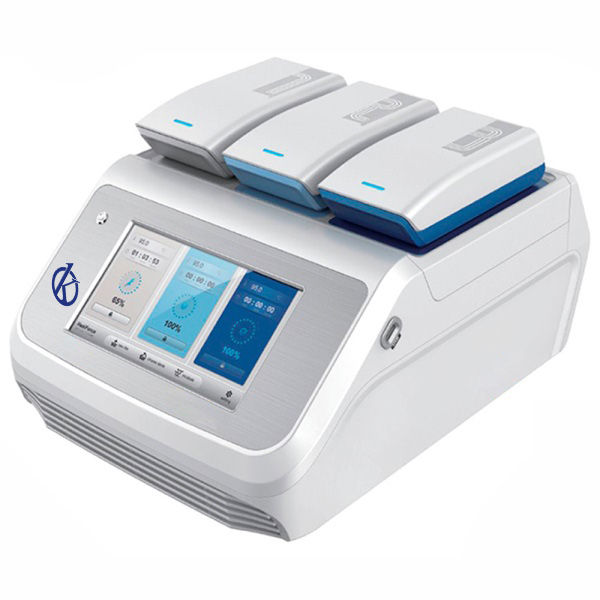
Thermal Cycler Protocols (PCR)
A thermal cycler is a laboratory equipment that allows to carry out the polymerase chain reaction (PCR) efficiently and quickly, by means of the automatic and cyclical realization of the temperature changes that are required for the amplification of a chain. deoxyribonucleic acid (DNA), from a thermostable enzyme. PCR enables a small number of DNA molecules to be amplified many times, exponentially.
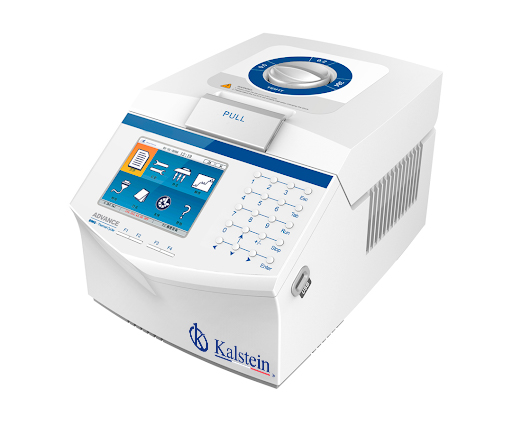
Thermal Cycler: Real Time PCR
The thermal cycler is a device that allows the polymerase chain reaction (PCR) efficiently and quickly; by means of the automatic and cyclical realization of the temperature changes that are required for the amplification of a deoxyribonucleic acid (DNA) chain; from a thermostable enzyme.
pcr thermal cyclers offer catalog
Guides about pcr thermal cyclers
Complete guides to choose pcr thermal cyclers
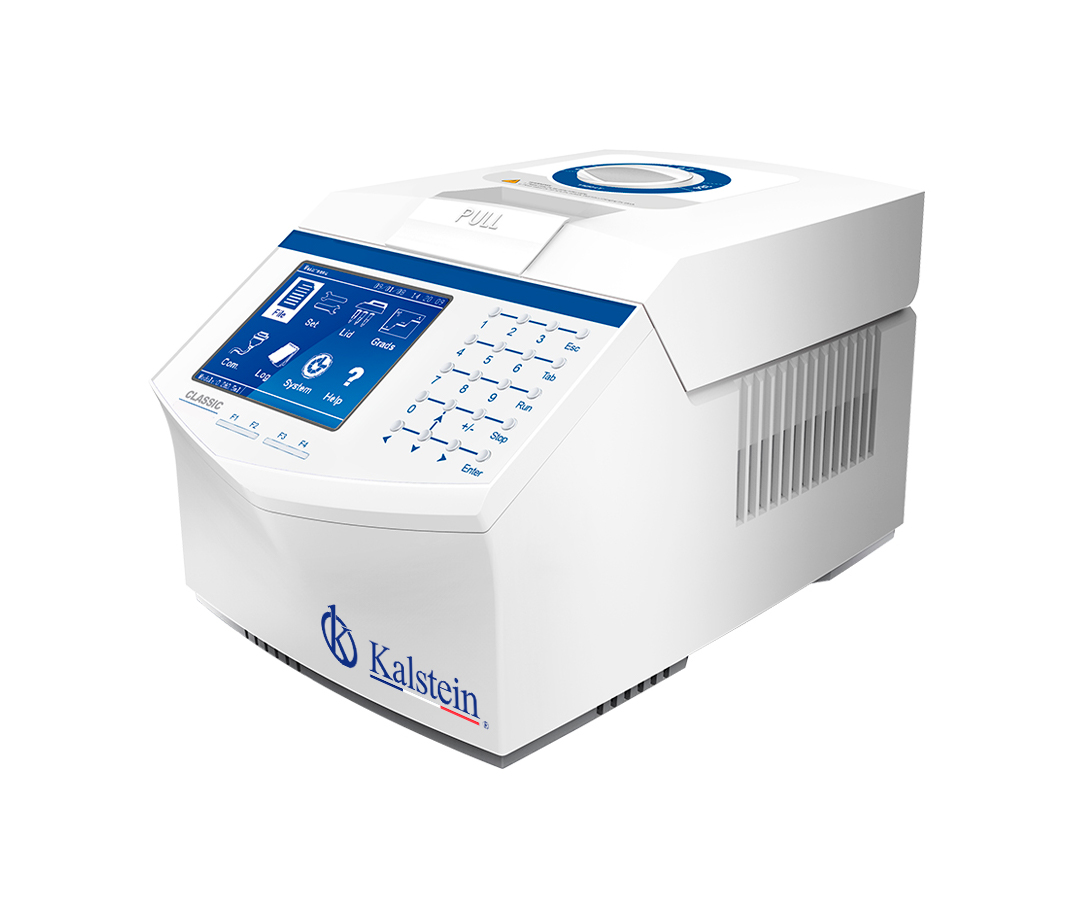
How to calibrate a thermocycler?
Calibrating the thermal cyclers is an important process to take care of them. That is why all points of view must be clear to calibrate one of them.
Leer más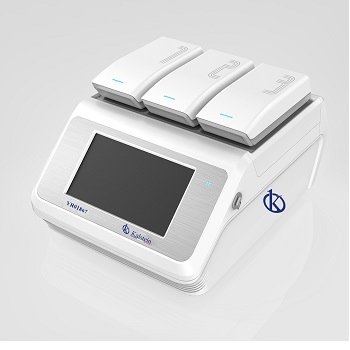
How does a thermal cycler work?
A thermal cycler is a Molecular Biology Laboratory Equipment, used in the amplification of DNA molecules by the PCR technique (polymerase chain reaction), because it is capable of performing temperature cycles necessary for amplifying The D
Leer másWhat is a thermal cycler?
The thermal cycler or thermal sequencer is a device that allows polymerase chain reaction (PCR) efficiently and quickly, by automatic and cyclic realization of the temperature changes that are required for the amplification of a deoxyribonu
Leer más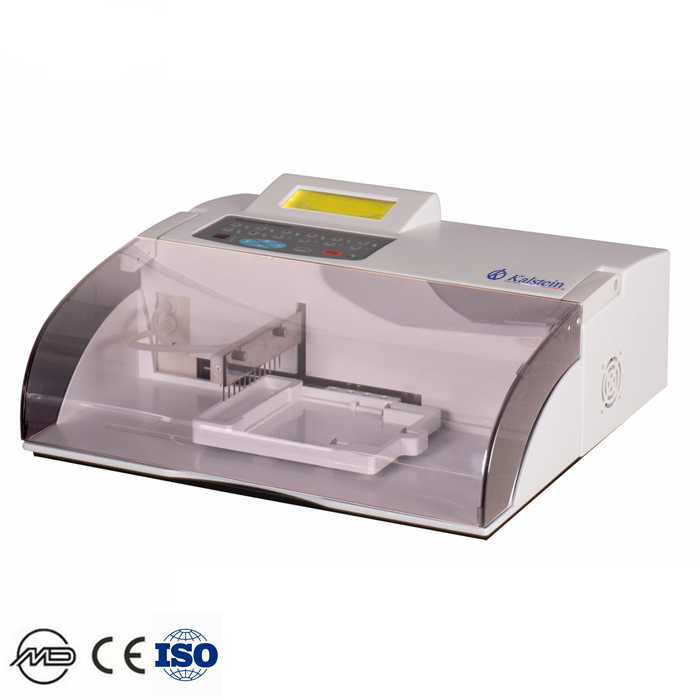
Considerations for the proper functioning of your ELISA washer
The ELISA scrubber has been designed to perform the washing operations that are involved in the ELISA technique, so its proper functioning is critical to ensure that the ELISA technique works properly.
Leer másFrequently asked questions about PCR Thermal Cyclers
How to know the prices of PCR Thermal Cyclers?
To know the price of PCR Thermal Cyclers, please send us an email with your request through the contact form AQUI.
What are the delivery times for PCR Thermal Cyclers?
Delivery time depends on stock availability and freight type (air or sea). In stock: air 15-30 days, sea 45-60 days. Out of stock: air 30-60 days, sea 60-90 days.
How to make a purchase of PCR Thermal Cyclers?
You can buy by email ([email protected]), phone (+33 (0) 1 70 39 26 50) or through the official Kalstein website in your country.
How does the warranty work for PCR Thermal Cyclers?
All Kalstein equipment comes with a 1-year warranty against manufacturing defects. The warranty does not cover damage from improper installation or misuse. See our «terms and conditions» AQUI.
Can I request a quote online for PCR Thermal Cyclers?
Yes, you can request a quote for the Kalstein equipment you are interested in directly from our official website. Click AQUI.