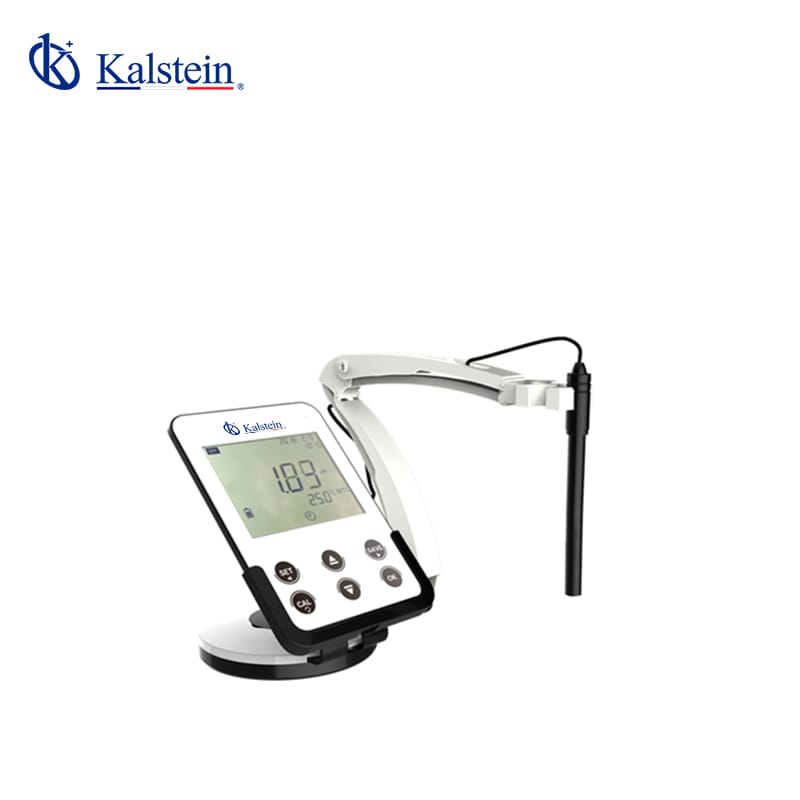
Technical Glossary and Key Terminology for the YR01836 Equipment
The YR01836 Desktop pH/Conductivity Meter is an essential tool in laboratory settings, providing reliable measurements for pH and conductivity. Understanding the technical terminology associated with this device is crucial for efficient operation and maintenance. This article explores key terms, their meanings, and how they relate to the YR01836, ensuring users can maximize its capabilities.
Understanding the YR01836: Key Terms and Their Significance
The following terms are vital for understanding the functions and capabilities of the YR01836 Desktop pH/Conductivity Meter. Each term will be defined in the context of its relevance to the equipment.
| Term | Definition |
|---|---|
| pH | A measure of the acidity or alkalinity of a solution. The YR01836 measures pH in a range from -2 to 19.999. |
| Conductivity | The ability of a solution to conduct electricity, measured in microsiemens per centimeter (μS/cm) or millisiemens per centimeter (mS/cm). |
| TDS (Total Dissolved Solids) | The total concentration of dissolved substances in a liquid, often measured in grams per liter (g/L). |
| Salinity | The concentration of salt in water, expressed in parts per thousand (ppt). |
| Calibration | The process of adjusting the meter to ensure accurate measurements, utilizing standard solutions. |
| Automatic Temperature Compensation (ATC) | A feature that automatically adjusts readings based on the temperature of the solution being measured. |
| Resolution | The smallest change in measurement that can be detected by the YR01836, which can be 0.1 or 0.01 pH. |
| Accuracy | The degree to which the measured values reflect the actual values, with the YR01836 offering an accuracy of ±0.02 pH. |
| Input Impedance | The resistance of the meter's input circuit, critical for achieving accurate readings, which in the case of YR01836 is ≥1×10¹² Ω. |
| Stability | The ability of the device to maintain accuracy over time, with a stability of ±0.002 pH over 3 hours for the YR01836. |
| Electrode | A sensor used to measure pH, conductivity, or other properties of a solution. The YR01836 recognizes different electrodes automatically. |
| USB Interface | Allows the YR01836 to connect with a PC for data transfer and device management. |
| GLP (Good Laboratory Practice) | A system for ensuring the quality of laboratory testing by following strict protocols, which the YR01836 supports in data storage. |
| Electrode Constant | A factor that represents the sensitivity of the conductivity electrode, with values of 0.1 / 1 / 10 cm-1 available for the YR01836. |
| Environmental Conditions | The range of temperature and humidity in which the YR01836 operates effectively, specified as 5-35 ºC and ≤85% humidity. |
Technical Data Table for the YR01836
| Parameter | Details |
|---|---|
| Model | YR01836 |
| Measuring Range (pH) | (-2 ~ 19.999)pH |
| Resolution (pH) | 0.1/0.01pH |
| Accuracy (pH) | ±0.02pH |
| Conductivity Range | (0.00~20.00)μS/cm; (20.0~200.0)μS/cm; (200~2000)μS/cm; (2.00~20.00)mS/cm; (20.0~200.0)mS/cm |
| Data Storage | 300 sets |
| Operating Temperature | 5 ~ 35 ºC |
| Battery Life | 30 hours |
| Weight | 280 g |
| Dimensions | 180 x 130 x 14 mm |
Frequently Asked Questions
What is the significance of Automatic Temperature Compensation in the YR01836?
Automatic Temperature Compensation (ATC) is crucial for ensuring that the readings from the YR01836 remain accurate despite varying temperatures of the solution being measured. This feature allows the device to adjust pH and conductivity measurements to account for temperature variations, which can significantly affect the results.
How can I calibrate the YR01836 for accurate readings?
Calibrating the YR01836 involves using standard solutions with known pH and conductivity values. Users should prepare at least one calibration point for pH and multiple points for conductivity to ensure the accuracy of their measurements. The meter provides instructions for performing this calibration procedure, typically through its menu system.
What types of electrodes are compatible with the YR01836?
The YR01836 is designed to recognize various electrode types automatically, including those specifically for pH measurement and conductivity. Users should consult the product specifications to ensure compatibility and may use electrodes with chip technology for enhanced data retrieval.
How does the YR01836 handle data storage and transfer?
The YR01836 can store up to 300 sets of data, including measurements and associated information like date and time. Data can be transferred to a PC via USB interfaces, allowing users to analyze their data further or maintain records for research and compliance purposes.
What are the environmental requirements for using the YR01836?
The YR01836 operates effectively within a temperature range of 5 to 35 ºC and under humidity levels not exceeding 85%. These conditions are necessary to maintain the meter's accuracy and functionality. Users should ensure their laboratory environment meets these specifications.
What maintenance is needed for the electrodes used with the YR01836?
Electrodes require regular maintenance, including cleaning and proper storage when not in use. Users should follow the manufacturer's guidelines for electrode care, which may include using specific cleaning solutions and ensuring electrodes are stored in appropriate conditions to extend their lifespan.
How can I request a quote for the YR01836?
You can request a quote for the YR01836 through our website's dedicated section for laboratory equipment or contact our sales team directly. We provide competitive pricing and can assist with any inquiries regarding the product.
If you are looking for a fusion of innovation and quality, you have come to the right place. At Kalstein, we offer you the luxury of exploring our exclusive catalog of laboratory equipment. We manufacture every device to the highest standards of excellence. Our intuitive and seamless online purchasing channels are designed for your convenience, securing the most competitive prices. Hesitate no longer — we bring science to life, it is time to become part of our community.