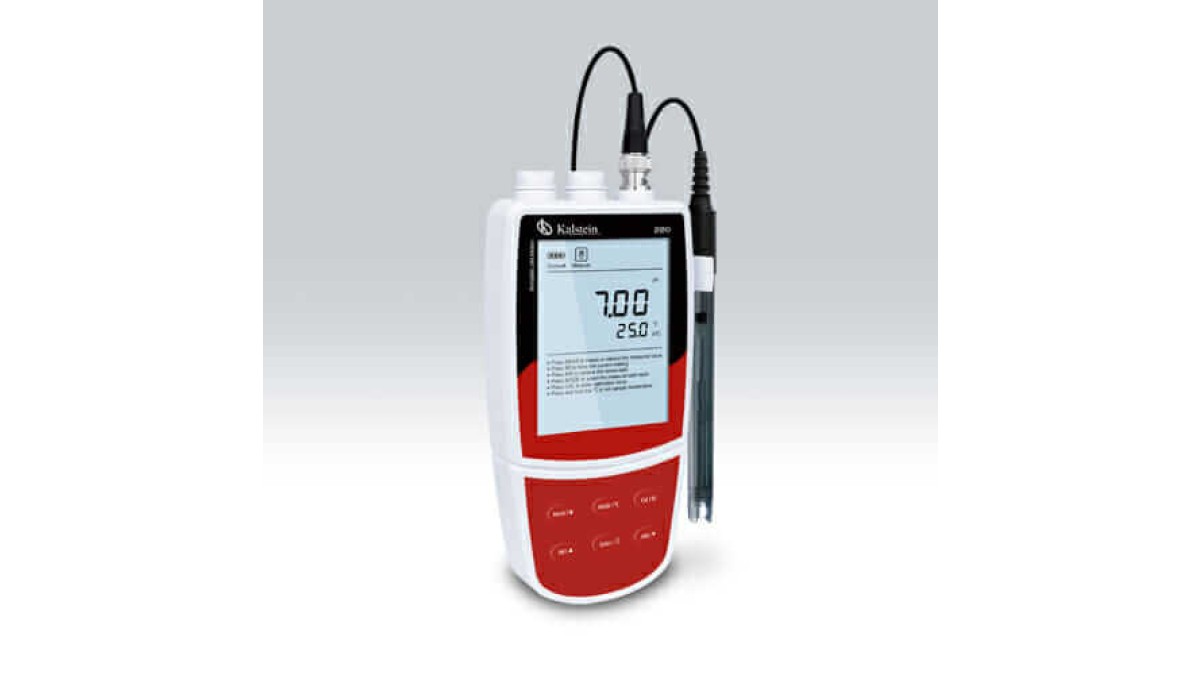
Table pH Meters: Practical Applications and Techniques 2026
What is it used for in 2026
In 2026, table pH meters serve a critical role in various laboratory settings, particularly in clinical and hospital environments. These devices enable precise measurement of pH levels in diverse samples including biological fluids, chemical solutions, and various laboratory reagents. Accurate pH readings are essential for ensuring the efficacy of medical treatments, quality control in pharmaceuticals, and consistency in quality assurance processes.
History and evolution of the technology
The evolution of pH meters began in the early 20th century, transitioning from simple litmus tests to sophisticated digital devices. The introduction of the glass electrode in the 1930s marked a significant advancement, allowing for more accurate and reliable measurements. Over the decades, technology has advanced with the integration of microprocessors, automatic temperature compensation, and advanced calibration techniques, leading to the table pH meters we utilize today.
How to use it step by step
- Preparation: Ensure the pH meter is calibrated according to the manufacturer’s instructions, using standard buffer solutions.
- Sample Preparation: Prepare the sample by ensuring it is at a stable temperature and free of particulates that may interfere with the measurement.
- Measurement: Insert the electrode into the sample, ensuring it is adequately submerged. Allow the reading to stabilize.
- Recording: Once stabilized, record the pH value displayed on the screen. Repeat for multiple samples as necessary.
- Post-Measurement Care: Rinse the electrode with distilled water and store it as per the manufacturer’s guidelines.
Best techniques and protocols
Sophisticated techniques for using table pH meters include regular calibration, using fresh buffer solutions, and ensuring that samples are measured at room temperature for accuracy. Implementing a standard operating procedure (SOP) within the laboratory can streamline these processes, ensuring consistency and reliability in pH measurements.
Practical applications by laboratory type
Table pH meters find applications in various laboratory types:
- Clinical Laboratories: For measuring blood and urine samples, crucial for diagnosing various health conditions.
- Pharmaceutical Labs: For quality control in drug formulation, ensuring that pH levels remain within specified limits.
- Research Labs: For experiments requiring precise pH levels in chemical reactions.
- Food and Beverage Industries: For monitoring the pH of products to maintain quality and safety standards.
Regulations, standards and certifications
In 2026, adherence to ISO standards concerning laboratory equipment ensures that table pH meters meet defined benchmarks for accuracy, reliability, and safety. Compliance with Good Laboratory Practice (GLP) regulations is also essential for laboratories to maintain their operational integrity and reliability of results.
Comparison with alternative technologies
While table pH meters are widely used, alternative technologies such as handheld pH meters and ion-selective electrodes exist. Handheld meters offer portability, making them suitable for fieldwork, while ion-selective electrodes provide flexibility in measuring specific ions but may require additional calibration and training.
Comparison of available models
| Model | Best for | Key specs | Recommended use case |
|---|---|---|---|
| YR0220A | Professional usage in clinical labs | - pH range: -2.00~20.00pH - Resolution: 0.01pH - Precision: ±0.01pH | Routine pH monitoring |
| YR01822 | Advanced laboratory settings | - pH range: -2.00~20.00pH - Resolution: ±0.02pH - Automatic calibration: up to 3 points | Data-intensive applications |
| YR01825 | High-precision requirements | - pH range: -2.00~20.00pH - Touchscreen interface - Data storage: 1000 sets | Research and development laboratories |
| YR01823-2 | Routine laboratory testing | - pH range: -2.000~20.000pH - Precision: ±0.002pH - Calibration: 1 to 5 points | General laboratory usage |
| YR01823 | Multi-purpose laboratory settings | - pH range: -2.00~20.00pH - Touch screen - Automatic calibration | Flexible testing environments |
| YR01826 | Clinical and environmental monitoring | - pH range: -2~19.999pH - Large LCD display - Automatic temperature compensation | Field and lab testing |
Common mistakes and how to avoid them
Common mistakes include inadequate calibration procedures, neglecting electrode maintenance, and using expired buffer solutions. To avoid these, establish clear SOPs that involve regular training, checks, and updates to calibration practices. Educating personnel about these critical steps can significantly enhance measurement accuracy.
Maintenance, calibration and good practices 2026
Regular maintenance includes cleaning the electrode, proper storage, and timely calibration. It is advisable to calibrate the pH meter daily or before critical measurements. Utilizing high-quality calibration standards and adhering to temperature specifications are crucial for maintaining accuracy and reliability.
Cost-benefit analysis 2026
Investing in table pH meters can be justified by their longevity, reliability, and the critical role they play in ensuring the accuracy of laboratory results. When evaluating costs, consider the potential impact of inaccurate measurements on research and clinical outcomes, which may lead to significant financial repercussions.
Frequently asked questions
What is the best way to maintain a table pH meter?
Regular cleaning, proper storage of the electrode, and following a stringent calibration schedule are key to maintaining your table pH meter. Always refer to the manufacturer's guidelines for specific maintenance instructions.
How often should I calibrate my pH meter?
It is recommended to calibrate your pH meter daily or before any critical measurements to ensure accurate results. The frequency may increase depending on usage and the type of samples being tested.
Can I use tap water to rinse the electrode?
No, it is advised to rinse the electrode with distilled water to avoid contamination and ensure precise measurements. Tap water may contain ions that can affect pH readings.
What should I do if my readings are inconsistent?
Check the calibration status, ensure the electrode is clean, and verify that you are using appropriate buffer solutions. If problems persist, consider replacing the electrode.
Are there specific buffer solutions I should use?
Utilize buffer solutions that are recommended by the manufacturer, often including standard solutions like those from NIST or custom buffers, to ensure reliable calibration and measurement.
How can I choose the right pH meter for my laboratory?
Assess your specific needs such as measurement range, required accuracy, and features like data storage or connectivity options. Review the specifications of different models to find one that aligns with your laboratory’s requirements.
What is the significance of temperature compensation in pH measurements?
Temperature compensation is crucial as pH readings can be significantly affected by temperature fluctuations. Automatic temperature compensation ensures that the displayed pH value remains accurate regardless of the sample temperature.
If you are looking for a fusion of innovation and quality, you have come to the right place. At Kalstein, we offer you the luxury of exploring our exclusive catalog of laboratory equipment. We manufacture every device to the highest standards of excellence. Our intuitive and seamless online purchasing channels are designed for your convenience, securing the most competitive prices. Hesitate no longer — we bring science to life, it is time to become part of our community.