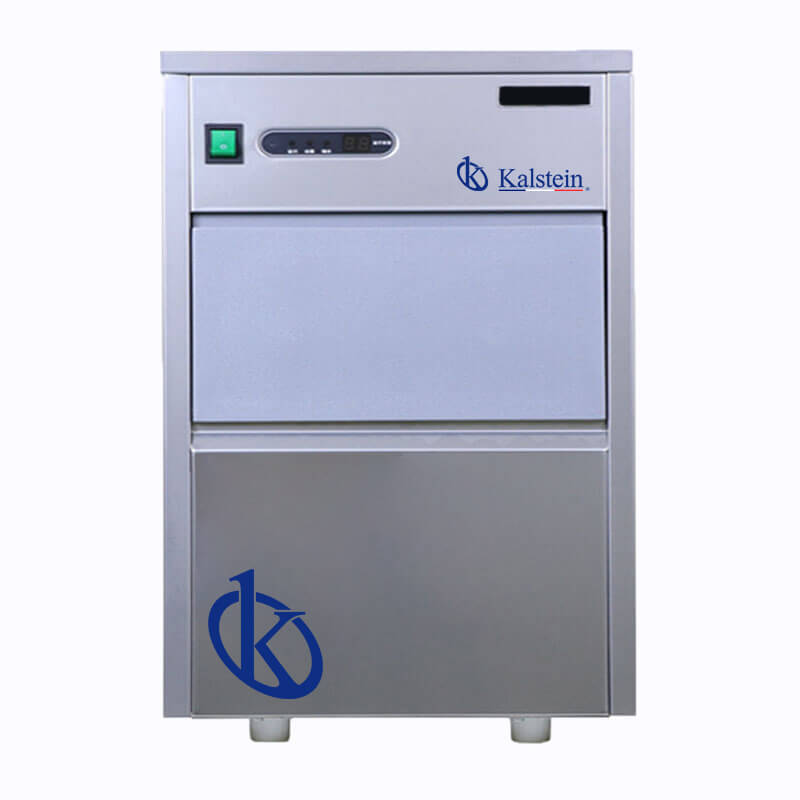
Sustainable Energy Solutions in Ice Machines: A Comprehensive Overview
In today's laboratory settings, sustainability is imperative, especially when it comes to equipment like ice machines. Laboratories consume a significant amount of energy, and improving energy efficiency not only reduces operational costs but also minimizes their environmental impact. This article delves into how various models of ice machines contribute to sustainable energy solutions, focusing on energy consumption, water usage, and eco-friendly refrigerants.
Understanding Energy Footprint and Sustainability in Ice Machines
The energy footprint of an ice machine is primarily influenced by its design, components, and operational efficiency. Energy-efficient models help laboratories meet not only their operational demands but also contribute to broader sustainability goals. In 2026, the focus on reducing greenhouse gas emissions and enhancing energy conservation is more critical than ever, compelling laboratories to select equipment that adheres to these principles.
Modern ice machines utilize high-quality, environmentally friendly compressors and materials. For instance, models like the YR05130 and YR05131 are constructed with SUS304 stainless steel, ensuring durability while also being resistant to corrosion. The use of CFC-free refrigerants further emphasizes a commitment to minimizing harmful environmental impact.
Key Aspects of Energy Efficiency in Ice Machines
Energy efficiency in ice machines can be evaluated based on several criteria:
- Refrigerant Type: Utilizing eco-friendly refrigerants such as R134a helps in reducing the carbon footprint.
- Energy Consumption: Measuring the power requirements of each model allows for comparison based on operational costs.
- Water Usage: Efficient machines minimize water consumption, another vital aspect of sustainability.
Comparative Energy Consumption of Ice Machine Models
The following table summarizes the energy consumption and key specifications of various ice machine models:
| Model | Power Consumption (W) | Ice Production (Kg/24h) | Storage Capacity (Kg) | Eco-Friendly Features |
|---|---|---|---|---|
| YR05130 | 280 | 20 | 10 | CFC-free refrigerant, compact design |
| YR05131 | 300 | 30 | 10 | CFC-free refrigerant, durable construction |
| YR05132 | 360 | 40 | 15 | Energy-saving design, eco-friendly materials |
| YR05133 | 380 | 50 | 15 | Energy-efficient cooling system, minimal maintenance |
| YR05134 | 420 | 60 | 25 | High energy efficiency, CFC-free |
| YR05135 | 460 | 70 | 25 | Durable and eco-friendly design |
Water Consumption and Sustainability
Water conservation is a critical aspect of sustainability in laboratories. Ice machines such as the YR05134 and YR05135 are designed to use tap water efficiently, reducing waste while ensuring a steady supply of ice production. Laboratories can significantly cut down on water consumption by selecting models with optimized water usage protocols, aligning with best practices in environmental stewardship.
Common Mistakes and How to Avoid Them
Laboratories often overlook key factors when selecting ice machines, leading to suboptimal performance and sustainability issues. Here are some common mistakes:
- Ignoring Energy Ratings: Always check the energy rating of models to ensure they meet sustainability standards.
- Neglecting Maintenance: Regular maintenance is essential to keep machines running efficiently and reduce energy consumption.
- Overlooking Size and Capacity: Choose models that fit the laboratory's needs without excessive energy consumption.
Frequently Asked Questions
What is the energy consumption of the YR05130 ice machine model?
The YR05130 ice machine consumes 280 watts and produces 20 Kg of ice per 24 hours, making it a suitable choice for laboratories focusing on energy efficiency.
How can using R134a refrigerant improve sustainability in ice machines?
Using R134a refrigerant in models like the YR05132 helps reduce environmental impact by minimizing ozone depletion potential, thus promoting sustainability in laboratory operations.
What are the benefits of choosing ice machines with a high ice production rate?
Choosing high ice production models, such as the YR05134 which produces 60 Kg per 24 hours, maximizes efficiency and minimizes the need for multiple machines, promoting energy savings.
How does the design of YR05131 contribute to environmental sustainability?
The compact design of YR05131 reduces space requirements and energy usage, while its stainless steel structure ensures durability and eco-friendliness.
What impact does regular maintenance have on ice machine energy efficiency?
Regular maintenance of models like the YR05135 optimizes performance by ensuring that components work efficiently, thus lowering energy consumption and extending the machine's lifespan.
Which ice machine model is best for minimizing water waste?
The YR05133 model is designed to minimize water usage while maximizing ice production, making it an excellent choice for laboratories focused on sustainability.
How do energy-efficient ice machines help reduce operational costs?
Energy-efficient models such as the YR05130 lead to lower electricity bills due to reduced power consumption, ultimately saving money for laboratory operations.
What features should I look for in an environmentally friendly ice machine?
Key features include energy-efficient compressors, CFC-free refrigerants, and designs that minimize water and energy usage, as seen in the YR05134 model.
If you are looking for a fusion of innovation and quality, you have come to the right place. At Kalstein, we offer you the luxury of exploring our exclusive catalog of laboratory equipment. We manufacture every device to the highest standards of excellence. Our intuitive and seamless online purchasing channels are designed for your convenience, securing the most competitive prices. Hesitate no longer — we bring science to life, it is time to become part of our community.