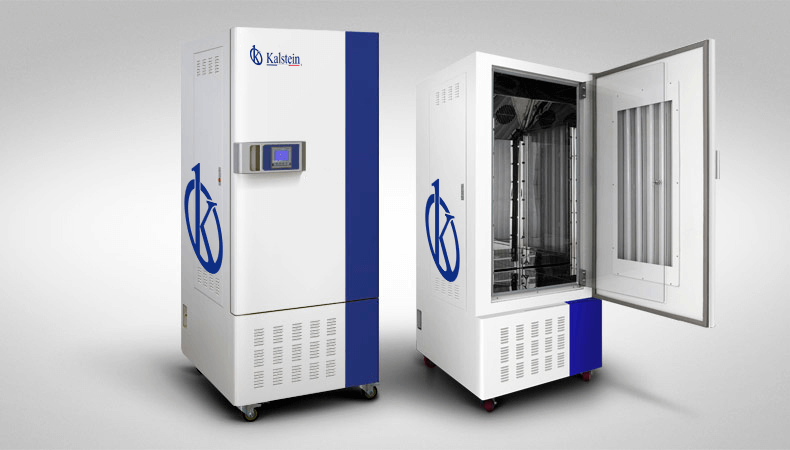
Sustainable Energy Practices in Artificial Climate Chambers: Reducing Environmental Footprint
As the focus on sustainability intensifies across various industries, laboratory professionals are increasingly tasked with optimizing energy practices in artificial climate chambers. These vital tools are essential for simulating environmental conditions for biological research, plant cultivation, and small animal studies. This article delves into the energy efficiency of different models, highlighting key specifications and features that contribute to reduced environmental impact.
Understanding the Importance of Sustainability in Climate Chambers
Artificial climate chambers serve critical roles in research and development within laboratories, simulating various environmental conditions essential for biological and material testing. However, these operations often come with significant energy consumption and environmental implications. Adopting sustainable energy practices not only aligns with global environmental goals but also enhances operational efficiency, reduces costs, and supports compliance with increasing regulatory standards.
Key Features for Energy Efficiency in Artificial Climate Chambers
When considering artificial climate chambers, several features are pivotal for maximizing energy efficiency and minimizing environmental footprint:
- Advanced Refrigeration Technology: Modern climate chambers, like the YR05347 model, utilize advanced refrigeration systems that enhance cooling efficiency while significantly lowering energy consumption.
- PID Microprocessor Control: Precise temperature control systems, such as the 30-stage PID microprocessor found in the YR05348 model, allow for optimal energy management during operation.
- Automatic Defrost Mechanisms: Automatic defrost functions in models like YR05349 eliminate the need for manual intervention, saving energy during operation.
- Multi-segment Lighting Control: Adjustable lighting options enable users to simulate realistic day and night cycles while consuming less power.
Comparison of Available Models
| Model | Price (USD) | Temperature Range | Humidity Range | Energy Efficiency Features |
|---|---|---|---|---|
| YR05347 | 2745.00 | 10~65 ℃ (with lighting) | 50~90% HR | Automatic defrost, high-efficiency compressor |
| YR05348 | 3060.00 | 10~65 ℃ (with lighting) | 50~90% HR | PID control, adjustable lighting |
| YR05349 | 3420.00 | 10~65 ℃ (with lighting) | 50~90% HR | Advanced refrigeration technology, energy-saving features |
Common Mistakes and How to Avoid Them
Laboratory professionals often face challenges in optimizing energy use within artificial climate chambers. Common mistakes include:
- Ignoring Energy Efficiency Ratings: Always consider energy efficiency ratings when selecting a model. Opt for advanced options like the YR05347 that feature high-efficiency compressors.
- Overlooking Maintenance Needs: Regular maintenance is crucial for ensuring optimal performance. Schedule periodic checks for models to prevent energy wastage.
- Inadequate Temperature Calibration: Regular calibration ensures accurate readings and efficient operation. Models equipped with PID controllers, like YR05348, provide better control over conditions.
Strategies for Reducing the Environmental Footprint of Climate Chambers
Implementing effective strategies in the operation of artificial climate chambers can significantly reduce their environmental footprint:
- Regular Monitoring: Utilize energy monitoring tools to track consumption and identify areas for improvement.
- Optimal Loading Practices: Ensure chambers are adequately loaded to maximize efficiency while maintaining experimental integrity.
- Smart Energy Management: Integrate energy management systems that adjust conditions based on real-time data, optimizing resource use.
Future Trends in Sustainable Artificial Climate Chambers
The future of artificial climate chambers looks towards increased sustainability, driven by technological advancements and regulatory pressures. Emerging trends include:
- Integration of Renewable Energy Sources: Utilizing solar or wind energy to power climate chambers could drastically reduce their carbon footprint.
- Improved Insulation Materials: Advances in insulation technology promise enhanced thermal performance, reducing heating and cooling demands.
- Smart Technology Integration: IoT-enabled chambers can provide real-time data for optimizing energy use and improving sustainability.
Frequently Asked Questions
How does the YR05347 model help in reducing energy consumption in laboratories?
The YR05347 model features a high-efficiency compressor and an automatic defrost mechanism, which are essential for reducing overall energy consumption in laboratories. These features allow for efficient cooling cycles and minimize energy wastage during operation.
What energy-saving features are available in the YR05348 climate chamber?
The YR05348 climate chamber includes a PID microprocessor control system, which optimizes temperature management and reduces energy overuse. Its adjustable lighting further enhances energy savings by simulating realistic day/night cycles effectively.
Which artificial climate chamber is best for long-term biological experiments?
The YR05349 model is particularly suitable for long-term biological experiments due to its advanced refrigeration technology and consistent temperature maintenance. Its reliable energy efficiency features also support sustained operations over extended periods.
How can laboratories ensure compliance with energy regulations using climate chambers?
Laboratories can ensure compliance with energy regulations by selecting models like the YR05348, which has energy efficiency certifications. Regular energy audits and adherence to usage guidelines will also help maintain compliance.
What is the cost-effectiveness of using climate chambers in plant growth studies?
The initial investment in climate chambers, such as the YR05347, is offset by their ability to provide controlled growth conditions, enhancing yield. Over time, the cost savings from reduced energy consumption further improve their cost-effectiveness.
How can smart technology enhance the sustainability of climate chambers?
Smart technology integration allows for real-time monitoring of energy consumption and environmental conditions within climate chambers, like the YR05348. This oversight facilitates timely adjustments, optimizing energy use and ensuring sustainability.
What role does insulation play in energy efficiency for climate chambers?
High-performance insulation in climate chambers, such as those found in the YR05349 model, minimizes energy loss, keeping temperatures stable with minimal energy input. Enhanced insulation thus directly contributes to improved energy efficiency.
How can laboratories track energy consumption effectively in climate chambers?
Laboratories can track energy consumption by employing energy monitoring systems that integrate with climate chambers. Models like the YR05348 may also offer built-in tracking features for better energy management.
If you are looking for a fusion of innovation and quality, you have come to the right place. At Kalstein, we offer you the luxury of exploring our exclusive catalog of laboratory equipment. We manufacture every device to the highest standards of excellence. Our intuitive and seamless online purchasing channels are designed for your convenience, securing the most competitive prices. Hesitate no longer — we bring science to life, it is time to become part of our community.